

When School Becomes a Struggle: Knowing When Your Child Needs Support
The school year is underway, but what happens when a child continues to struggle long after the adjustment period?
Erin Plumb talks with guest host Kathryn Collins about the signs parents should watch for when a child may need extra academic, social, or emotional support - from school avoidance and homework battles to difficulty with reading, writing, math, organization, or following instructions.
💥What are some signs to watch for (tears, fears, avoidance etc)?
💥How can learning challenges affect a child’s confidence and behaviour?
💥How parents can start a productive conversation with their child’s teacher and questions to ask.
💥 What support is available through the Learning Disabilities Association of Windsor-Essex Families don’t necessarily need a formal diagnosis to reach out. (Including academic programs, tutoring, executive-function support, social-emotional programs, and youth coaching.)
💥 What to look for and what to do next.
💥 What are a few practical things parents can do to support learning while protecting their relationship and their child’s confidence?
This episode is a must for a parent who is thinking, “This sounds like my child” and wondering what to do about it.
Next Up … October 14th!
The school year is underway, but what happens when a child continues to struggle long after the adjustment period?
Erin Plumb talks with guest host Kathryn Collins about the signs parents should watch for when a child may need extra academic, social, or emotional support - from school avoidance and homework battles to difficulty with reading, writing, math, organization, or following instructions.
💥What are some signs to watch for (tears, fears, avoidance etc)?
💥How can learning challenges affect a child’s confidence and behaviour?
💥How parents can start a productive conversation with their child’s teacher and questions to ask.
💥 What support is available through the Learning Disabilities Association of Windsor-Essex Families don’t necessarily need a formal diagnosis to reach out. (Including academic programs, tutoring, executive-function support, social-emotional programs, and youth coaching.)
💥 What to look for and what to do next.
💥 What are a few practical things parents can do to support learning while protecting their relationship and their child’s confidence?
This episode is a must for a parent who is thinking, “This sounds like my child” and wondering what to do about it.
What happens when a child decides, “I’m not a math person”? And how early does that belief begin?
Yvette Lehman and guest host Kathryn Colins explore what it really takes to build confident, capable math learners—and why the answer is about much more than math facts. Yvette is an Ontario Certified Teacher with over 16 years of experience across the classroom, district leadership, and math education. She now serves as Chief Academic Officer for Make Math Moments,
💥 The role teachers’ own attitudes and beliefs about mathematics play in shaping how students see themselves as learners.
💥 Why games and joyful experiences can be powerful entry points to mathematical thinking.
💥 How productive struggle helps students develop reasoning and resilience, and why we need to rethink how we approach fluency and math facts.
💥How do you teach a classroom full of students who are all at different levels?
💥 How assessment that actually helps teachers understand how children think
💥 The importance of small-group instruction, purposeful practice, repetition and automaticity, and the challenge of deciding what mathematics is truly essential when teachers are faced with an overwhelming number of curriculum expectations.
Most importantly, Yvette challenges us to look beyond “Can the student get the answer?” and ask:
How does this child think about mathematics—and what do they need from me next?
Because the goal isn't simply to get children through the math curriculum.lehman
It's to help them see themselves as capable mathematicians.
Learning to read is one of the most important skills a child develops and is not natural. It must be explicitly taught. Reading requires an understanding of how the brain learns to read, as well as evidence-based practices that help learners build a strong foundation.
Mary-Anne Mouawad is the Founder and Director of The Reading Clinic and a literacy educator with more than 25 years of experience supporting children, youth, and adults on their reading journeys. Mary-Anne shares her passion for the Science of Reading and explains why explicit, systematic, sequential, and multisensory instruction matters.
In this episode, you’ll discover:
💥 Why many educators feel unprepared to teach children how to read and why understanding the Science of Reading is essential
💥 The four key components of effective reading instruction and what they mean.
💥 The connection between decoding and language comprehension, and why both are necessary for reading comprehension
💥 The difference between phonological awareness and phonemic awareness, and why these skills begin with listening before reading and writing
💥 How young children can build early literacy skills through rhyming, songs, chants, syllable activities, and sound play
💥Practical strategies for parents, including ways to support pre-reading skills with young children
💥 Why older students who struggle with reading need assessment to identify specific areas for support
💥 How educators can use evidence-based resources and approaches aligned with the Science of Reading
💥 Why choosing a literacy tutor or support provider who understands how reading develops matters
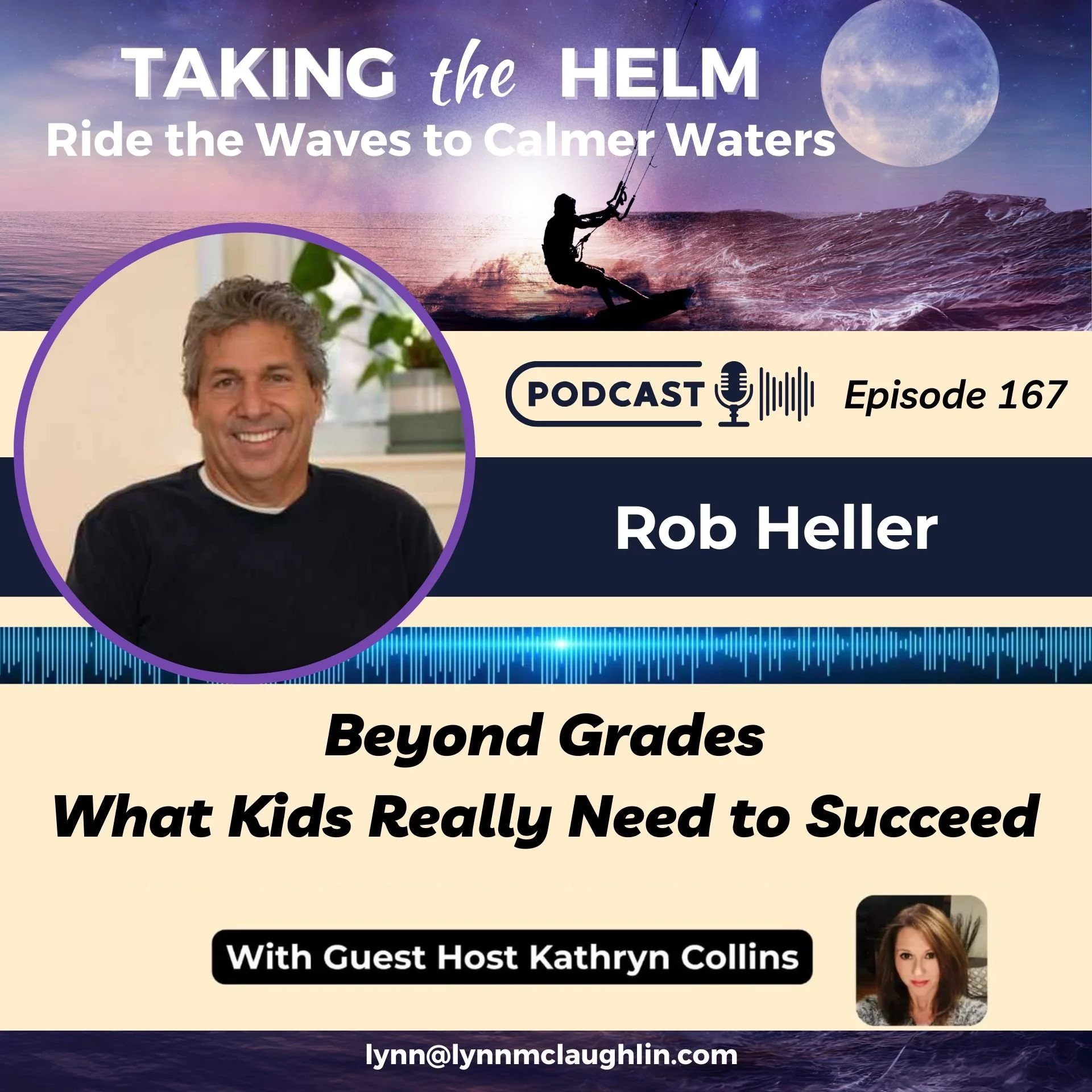
𝐈𝐧 𝐚 𝐰𝐨𝐫𝐥𝐝 𝐰𝐡𝐞𝐫𝐞 𝐲𝐨𝐮𝐧𝐠 𝐩𝐞𝐨𝐩𝐥𝐞 𝐡𝐚𝐯𝐞 𝐮𝐧𝐥𝐢𝐦𝐢𝐭𝐞𝐝 𝐚𝐜𝐜𝐞𝐬𝐬 𝐭𝐨 𝐢𝐧𝐟𝐨𝐫𝐦𝐚𝐭𝐢𝐨𝐧 𝐛𝐮𝐭 𝐨𝐟𝐭𝐞𝐧 𝐥𝐢𝐦𝐢𝐭𝐞𝐝 𝐨𝐩𝐩𝐨𝐫𝐭𝐮𝐧𝐢𝐭𝐢𝐞𝐬 𝐭𝐨 𝐝𝐞𝐯𝐞𝐥𝐨𝐩 𝐞𝐬𝐬𝐞𝐧𝐭𝐢𝐚𝐥 𝐥𝐢𝐟𝐞 𝐬𝐤𝐢𝐥𝐥𝐬, 𝐡𝐨𝐰 𝐝𝐨 𝐰𝐞 𝐡𝐞𝐥𝐩 𝐭𝐡𝐞𝐦 𝐭𝐡𝐫𝐢𝐯𝐞?
Guest host Kathryn Collins sits down with entrepreneur and youth advocate Rob Heller, founder of the Boost Program. Rob shares how a search for life skills training for his own teenage son led him to create a program that is now being used by schools and organizations across the country.
Together, they explore why social-emotional learning matters more than ever, the impact of smartphones and social media on youth engagement, and the skills that help young people build confidence, resilience, responsibility, and self-leadership. Rob also discusses the importance of practice, the role of caring adults, and why he remains optimistic about the next generation.
Academic success alone isn't enough. Skills such as communication, responsibility, goal setting, self-awareness, and resilience can be taught and practiced.
💥 Information isn't the same as learning.
💥 What is the impact of Social media and phones from the eyes of our youth?
💥 What action can we take to build the skills and character our children and youth need for life?
💥 One caring adult can make a lasting difference. Parents, educators, coaches, and mentors all have the power to positively influence a young person's confidence, mindset, and future.
💥 Confidence and resilience grow through practice.
💥 There is reason for optimism!
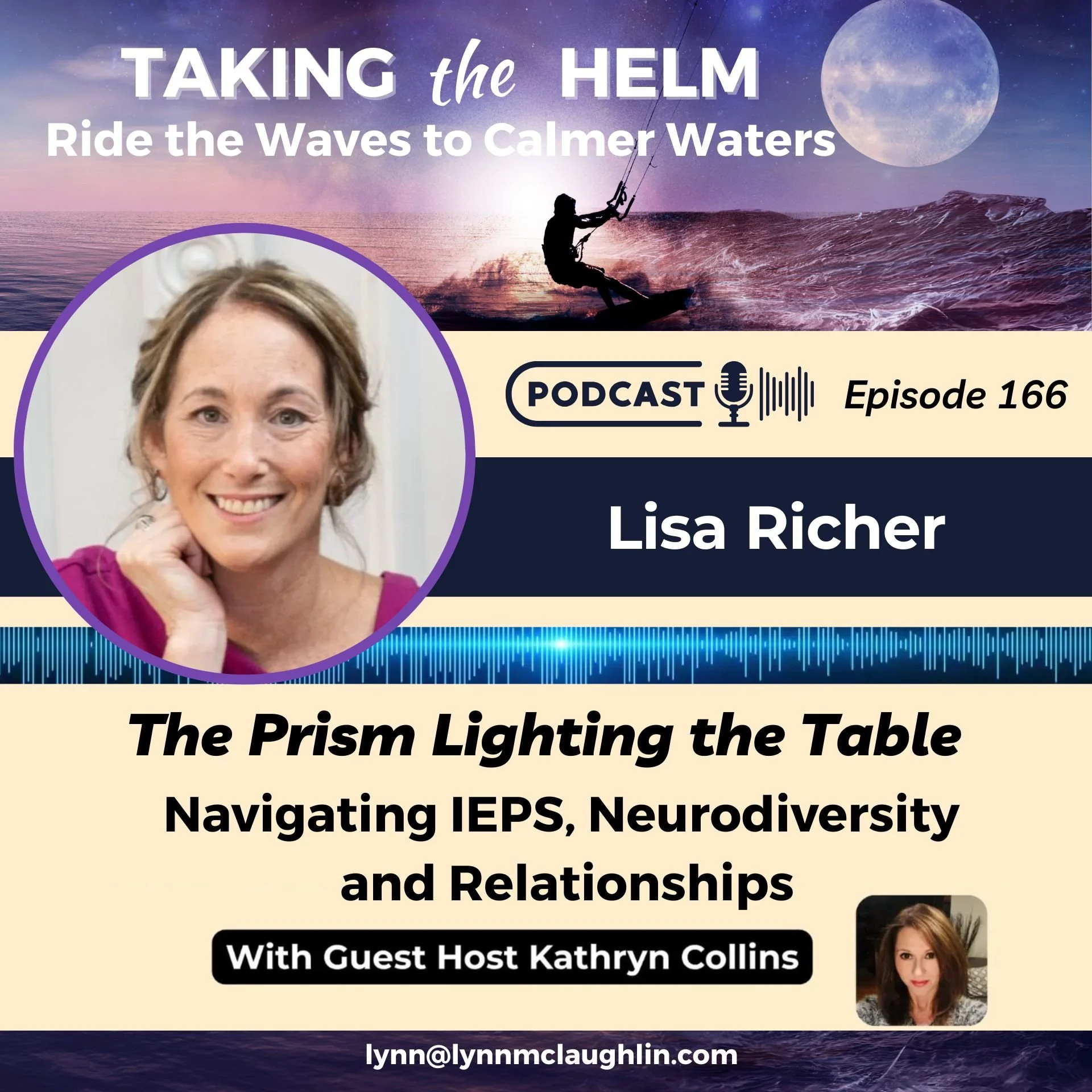
𝐖𝐡𝐚𝐭 𝐠𝐨𝐞𝐬 𝐭𝐡𝐫𝐨𝐮𝐠𝐡 𝐚 𝐩𝐚𝐫𝐞𝐧𝐭'𝐬 𝐦𝐢𝐧𝐝 𝐰𝐡𝐞𝐧 𝐚 𝐬𝐜𝐡𝐨𝐨𝐥 𝐬𝐚𝐲𝐬, "𝐖𝐞 𝐭𝐡𝐢𝐧𝐤 𝐲𝐨𝐮𝐫 𝐜𝐡𝐢𝐥𝐝 𝐦𝐚𝐲 𝐧𝐞𝐞𝐝 𝐚𝐧 𝐈𝐄𝐏," 𝐚𝐧𝐝 𝐰𝐡𝐲 𝐝𝐨 𝐬𝐨 𝐦𝐚𝐧𝐲 𝐜𝐚𝐫𝐢𝐧𝐠, 𝐜𝐚𝐩𝐚𝐛𝐥𝐞 𝐩𝐚𝐫𝐞𝐧𝐭𝐬 𝐬𝐮𝐝𝐝𝐞𝐧𝐥𝐲 𝐟𝐞𝐞𝐥 𝐨𝐯𝐞𝐫𝐰𝐡𝐞𝐥𝐦𝐞𝐝 𝐛𝐲 𝐭𝐡𝐞 𝐩𝐫𝐨𝐜𝐞𝐬𝐬?
Lisa Richer is a neurodiversity consultant, speaker, coach, and founder of Journey2Bloom.
One of Lisa's most powerful insights is that "neurodiversity is the prism lighting the table." Rather than viewing differences as deficits, she encourages families and educators to see neurodiversity as a lens that brings new understanding, perspective, and opportunity to every conversation.
💥 What an Individualized Education Program (IEP) is and how it differs from a 504 Plan in the United States
💥 The biggest concerns and challenges parents often face when a school recommends an IEP
💥 Practical strategies for navigating what can feel like a complex and overwhelming process
💥 Why clear communication and strong partnerships between families and schools are essential
💥 The importance of keeping the child at the centre of every discussion and decision
💥 How Lisa helps parents prepare for meetings and feel more confident advocating for their child
💥 A real-life example of how expert guidance can help families achieve better outcomes
💥 No parent has to feel alone.
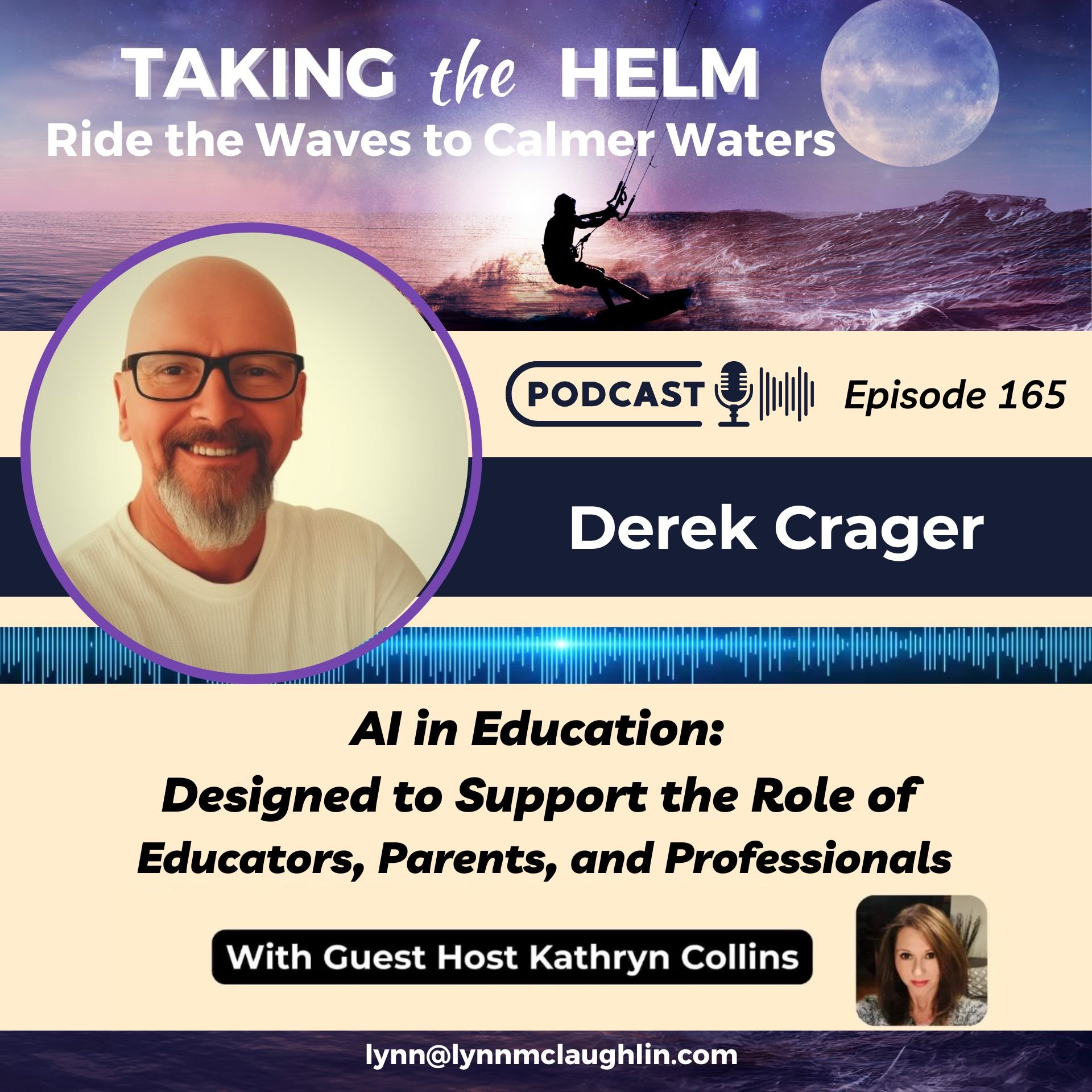
Guest host Kathryn Collins sits down with Derek Crager to explore how AI is beginning to reshape learning in practical, student-centered ways. Derek is the creator of Pocket Mentor, an AI-powered platform designed to provide real-time, voice-based support for learning and reflection. Derek shares why Pocket Mentor is grounded in a “human-first” approach - where AI is designed to support, not replace, the role of educators, parents, and professionals.
For students who hesitate to speak up, it creates a private space to build confidence. For those ready to go further, it removes limits on how deeply they can learn.
Key points:
💥 Students are not accessing the world wide web - only the information in the data base of the program.
💥 What about accuracy?
💥 What about over-reliance or the human connection?
💥 How can tools like this can offer immediate support when traditional systems are limited by time, cost, or availability?
💥 What does this mean for a generation of children growing up with AI: the opportunities, the risks, and the responsibility to use it with intention and clear boundaries?
It’s a balanced, forward-looking discussion about how AI can enhance learning, support confidence, and expand what’s possible - when we keep people at the center.
Grounded in a belief that AI should enhance human potential, Derek advocates for responsible, bounded systems that prioritize accuracy, accessibility, and human connection.
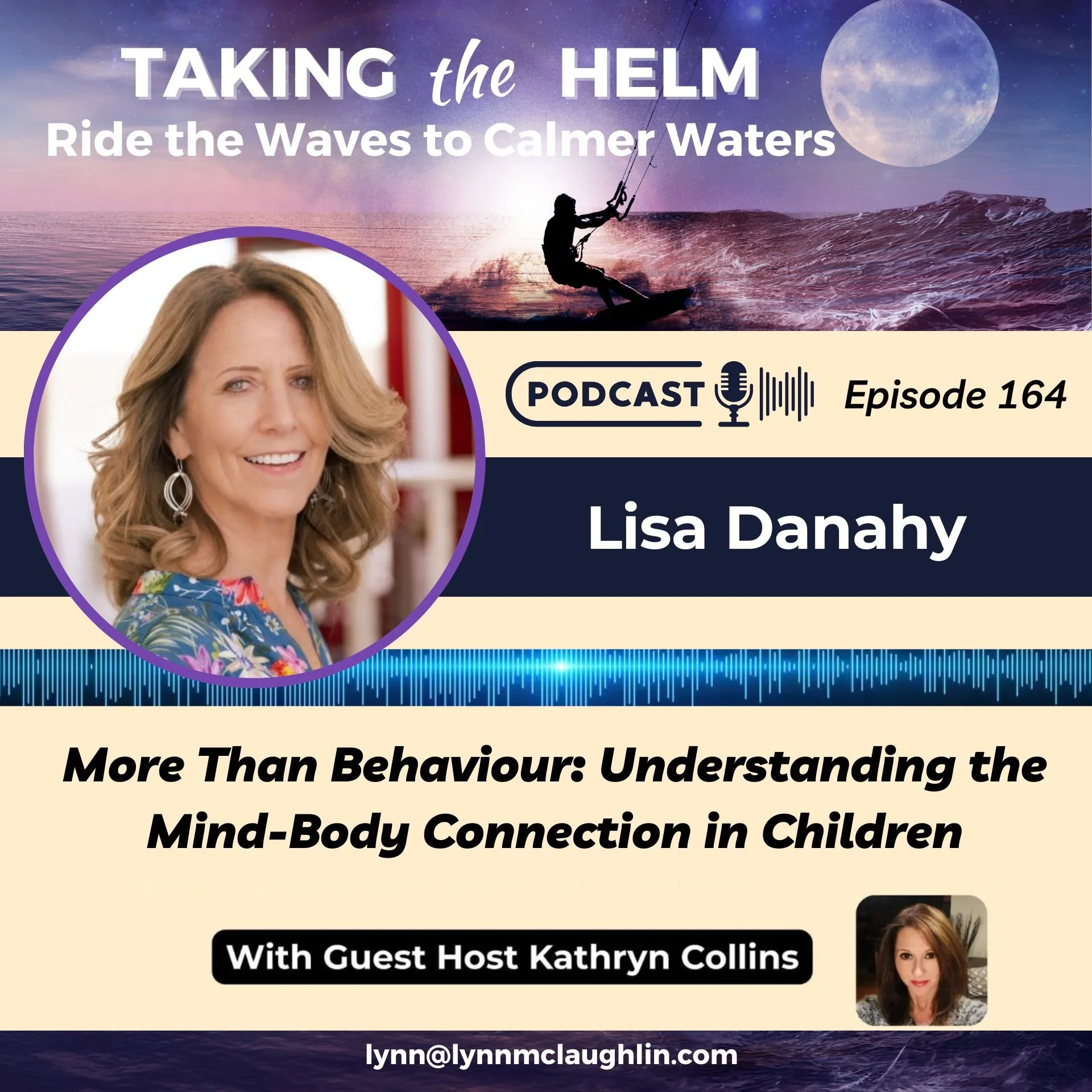
𝐖𝐡𝐚𝐭 𝐢𝐟 𝐭𝐡𝐞 𝐛𝐞𝐡𝐚𝐯𝐢𝐨𝐮𝐫𝐬 𝐰𝐞’𝐫𝐞 𝐭𝐫𝐲𝐢𝐧𝐠 𝐭𝐨 𝐦𝐚𝐧𝐚𝐠𝐞 𝐚𝐫𝐞𝐧’𝐭 𝐫𝐞𝐚𝐥𝐥𝐲 𝐚𝐛𝐨𝐮𝐭 𝐛𝐞𝐡𝐚𝐯𝐢𝐨𝐮𝐫 𝐚𝐭 𝐚𝐥𝐥?
Guest host Kathryn Collins sits down with Lisa Denahy, founder of Create Calm, to explore what it really means to support a child’s emotional and behavioural regulation. We often focus on what we see—tantrums, defiance, big reactions—but beneath it all is something deeper: the connection between the mind, the body, and a child’s developing sense of self.
Lisa shares a powerful shift in perspective… from controlling behaviour to creating the conditions where children feel safe enough to learn how to regulate themselves.
Key points:
💥 Why discipline needs to be redefined
💥 The role of movement, breath, and the nervous system
💥 Why children need us to model the skills we expect from them
💥 How “testing limits” is actually a sign of trust and growth
💥 Simple, practical ways to build regulation before challenging moments happen
𝐓𝐡𝐢𝐬 𝐜𝐨𝐧𝐯𝐞𝐫𝐬𝐚𝐭𝐢𝐨𝐧 𝐢𝐬 𝐚 𝐫𝐞𝐦𝐢𝐧𝐝𝐞𝐫 𝐭𝐡𝐚𝐭 𝐜𝐚𝐥𝐦 𝐢𝐬𝐧’𝐭 𝐬𝐨𝐦𝐞𝐭𝐡𝐢𝐧𝐠 𝐰𝐞 𝐝𝐞𝐦𝐚𝐧𝐝 𝐟𝐫𝐨𝐦 𝐜𝐡𝐢𝐥𝐝𝐫𝐞𝐧… 𝐢𝐭’𝐬 𝐬𝐨𝐦𝐞𝐭𝐡𝐢𝐧𝐠 𝐰𝐞 𝐡𝐞𝐥𝐩 𝐭𝐡𝐞𝐦 𝐝𝐢𝐬𝐜𝐨𝐯𝐞𝐫—𝐬𝐭𝐚𝐫𝐭𝐢𝐧𝐠 𝐰𝐢𝐭𝐡 𝐨𝐮𝐫𝐬𝐞𝐥𝐯𝐞𝐬.
With an MS in Yoga Therapy and BA in Psychology, over 30 years as a school administrator and SEL curriculum developer, and certification as an advanced educator and trainer, Lisa is highly skilled at creating accessible, evidence-based, successful curricula for behavioral and emotional regulation, as well as physical and mental health.
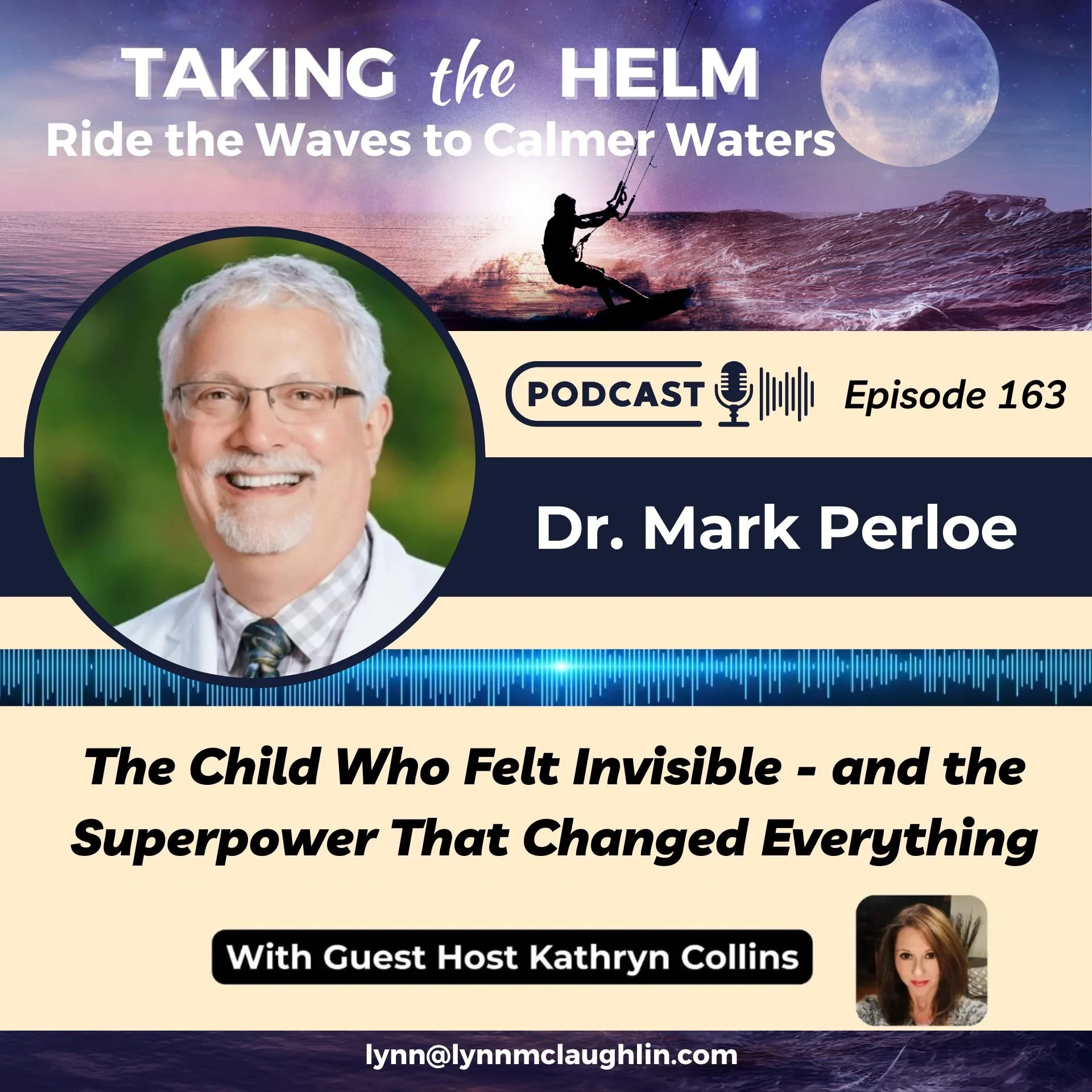
Some children shine in obvious ways. Others quietly wonder if anyone truly sees them.
Guest Host Kathryn Colins speaks with Dr. Mark Perloe, a retired IVF specialist and grandfather, whose relationship with his two grandsons inspired him to write his first children’s book. One grandson is highly focused and neurodivergent. The other sometimes feels invisible -but uses humour as his superpower to connect.
💥 How children who feel unseen can discover their own strengths
💥 The power of humour, empathy, and kindness in building confidence
💥 The unique role grandparents and adults can play in nurturing emotional well-being
💥 Why noticing and valuing every child creates stronger families and communities
💥 How Milo's story has helped to build a connection between siblings. How did Mark and his cousin work together to make publishing Milo's Superpower possible.
Sometimes the most powerful thing we can do is simply see a child - and help them recognize the superpowers they already have.
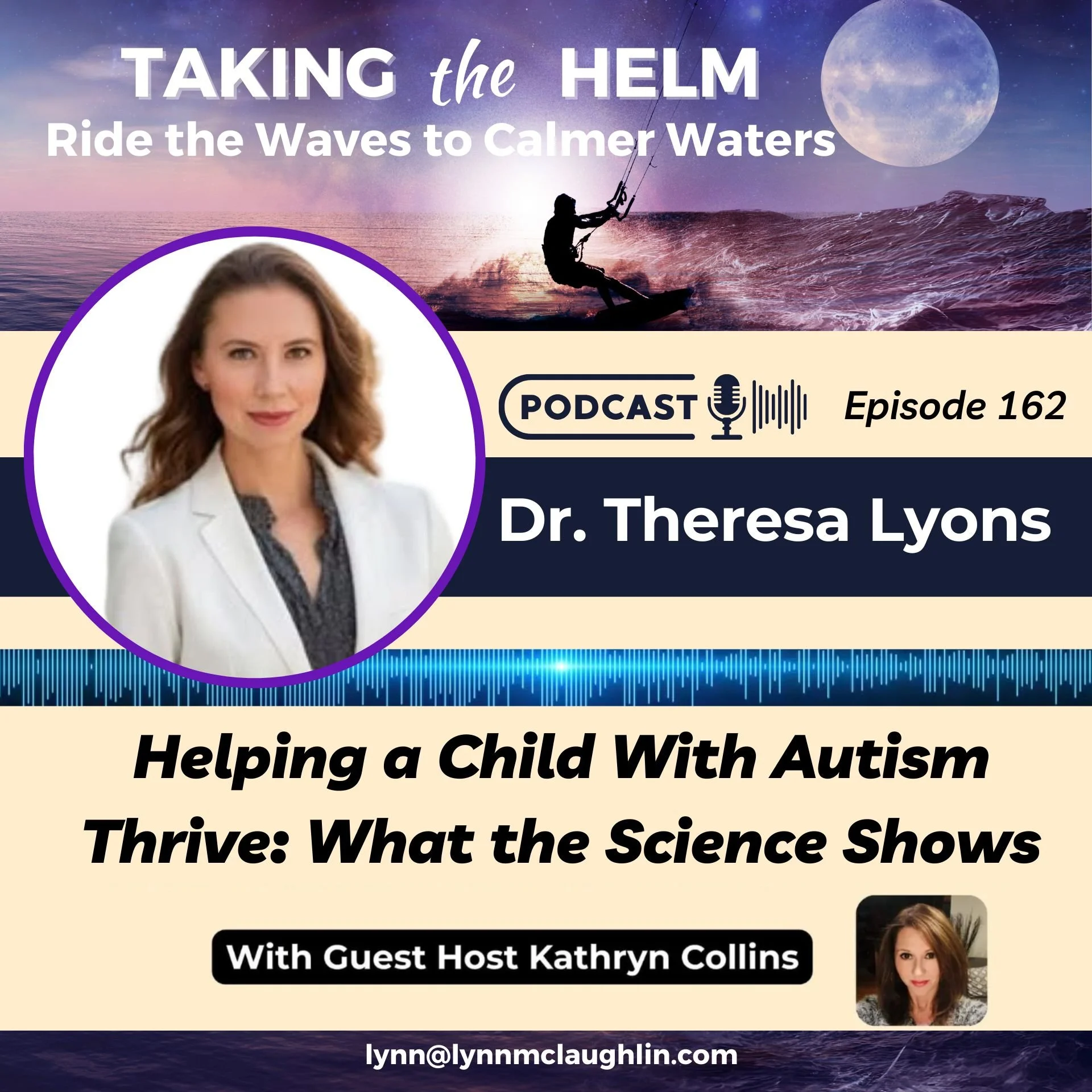
Dr. Theresa Lyons, Ph.D. in chemistry from Yale University, shares her unique perspective as both a scientist and a mother of a daughter with autism. Drawing on cutting-edge research and her personal journey, Dr. Lyons explores the underlying health and environmental factors that can influence a child’s development beyond the autism diagnosis. She launched "Navigating Awetism" to help parents.
💥 Understanding the role of genetics and risk factors in autism and how research informs what we can address.
💥 Exploring environmental factors that can influence a child’s sleep, health and behaviour.
💥 Looking at gut health, food allergies, and sensitivities as possible contributors to well-being. (Gluten, Candida and other gut infections.)
💥 How functional medicine approaches, including Vitamin D, B12, and other assessments, can uncover hidden opportunities for improvement.
💥 The role of detoxification and overall health management in supporting daily functioning and quality of life.
💥 Emphasizing a whole-child approach that empowers parents to take proactive steps while respecting each child’s unique needs.
💥 Supporting the entire family.
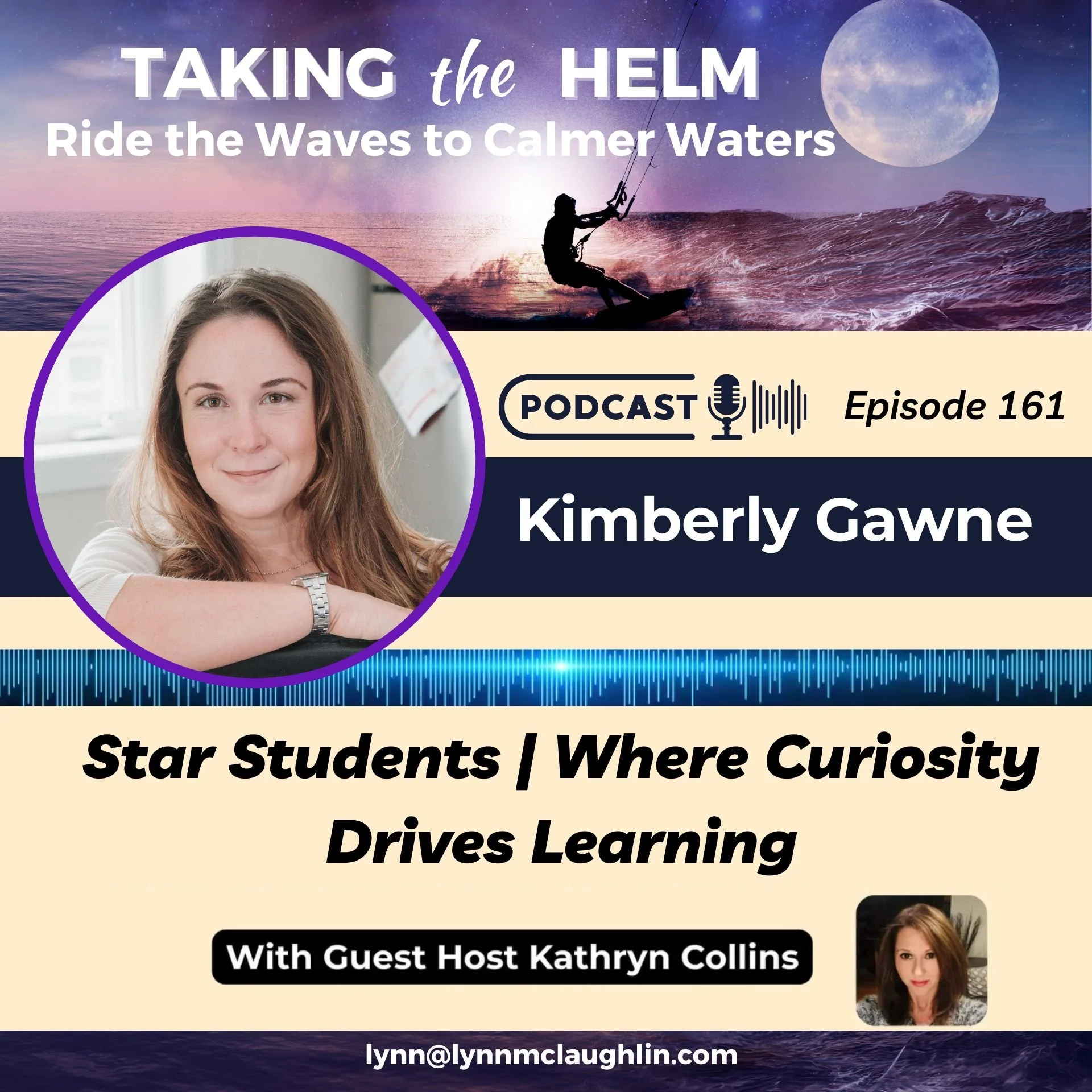
Kimberly Gawne is an educator and founder of Star Students, a program that creates personalized learning plans driven by each child’s interests. Starting as a tutor during COVID-19 school closures, she now supports families with homeschooling, curriculum guidance, and real-world learning experiences, helping students develop critical thinking and a love of learning.
Guest host Kathryn Collins dives into the key topics with Kim:💥 Why did Kim leave the public/private school systems and begin tutoring?
💥 How does Star Students work to support parents who home school?
💥 What are the age ranges, daily instructional time and choices for parents?
💥 What are the challenges of homeschooling and some solutions?
💥 Why is critical thinking so important?
💥 How can parents prepare themselves to begin?
💥 World Schooling - How families travelling the world are educating their children.

Laurel Crossley joins us again with guest host Kathryn Collins to explore how small, thoughtful decisions can make a huge difference for families during the holidays. From keeping little ones comfortable and predictable to helping older kids engage in meaningful ways, we cover boundaries, calm moments, and simple strategies to create lasting memories without the overwhelm.
Key Points:
💥 Keeping young children settled and comfortable, even when routines are challenged.
💥 Setting clear expectations with extended family to reduce tension and stress.
💥 Creating calm spaces and rhythms that support babies, toddlers, and new parents.
💥 Reimagining gift-giving and holiday activities to boost connection, not clutter.
💥 Involving older children in planning, budgeting, and traditions that teach life skills.
💥 Recognizing when it’s time to pause or step back to protect your child’s well-being.

𝐃𝐢𝐝 𝐲𝐨𝐮 𝐤𝐧𝐨𝐰 𝐜𝐚𝐥𝐦 𝐛𝐞𝐟𝐨𝐫𝐞 𝐛𝐢𝐫𝐭𝐡 𝐬𝐡𝐚𝐩𝐞𝐬 𝐲𝐨𝐮𝐫 𝐭𝐨𝐝𝐝𝐥𝐞𝐫’𝐬 𝐞𝐦𝐨𝐭𝐢𝐨𝐧𝐬? 𝐇𝐨𝐰 𝐜𝐚𝐧 𝐞𝐚𝐫𝐥𝐲 𝐜𝐚𝐥𝐦 𝐡𝐞𝐥𝐩 𝐲𝐨𝐮𝐫 𝐭𝐨𝐝𝐝𝐥𝐞𝐫 𝐨𝐫 𝐩𝐫𝐞𝐬𝐜𝐡𝐨𝐨𝐥𝐞𝐫 𝐦𝐚𝐧𝐚𝐠𝐞 𝐛𝐢𝐠 𝐟𝐞𝐞𝐥𝐢𝐧𝐠𝐬?
Educator and wellness expert Laurel Crossley shares insights from 30 years of supporting families, and the science behind calm beginnings that lead to confident kids.Laurel Crosby shares how a mother’s emotional state, even before birth, can shape a child’s development for years to come.
💥 She explains the importance of supporting maternal mental, emotional, and spiritual health
💥 How early calm and connection lay the foundation for resilient, empathetic children.
💥 From mindfulness in everyday life to modelling emotional regulation during tantrums
💥 Practical strategies for parents and educators
💥 The power of outdoor play, sensory tools, and storytelling to help children manage their emotions.
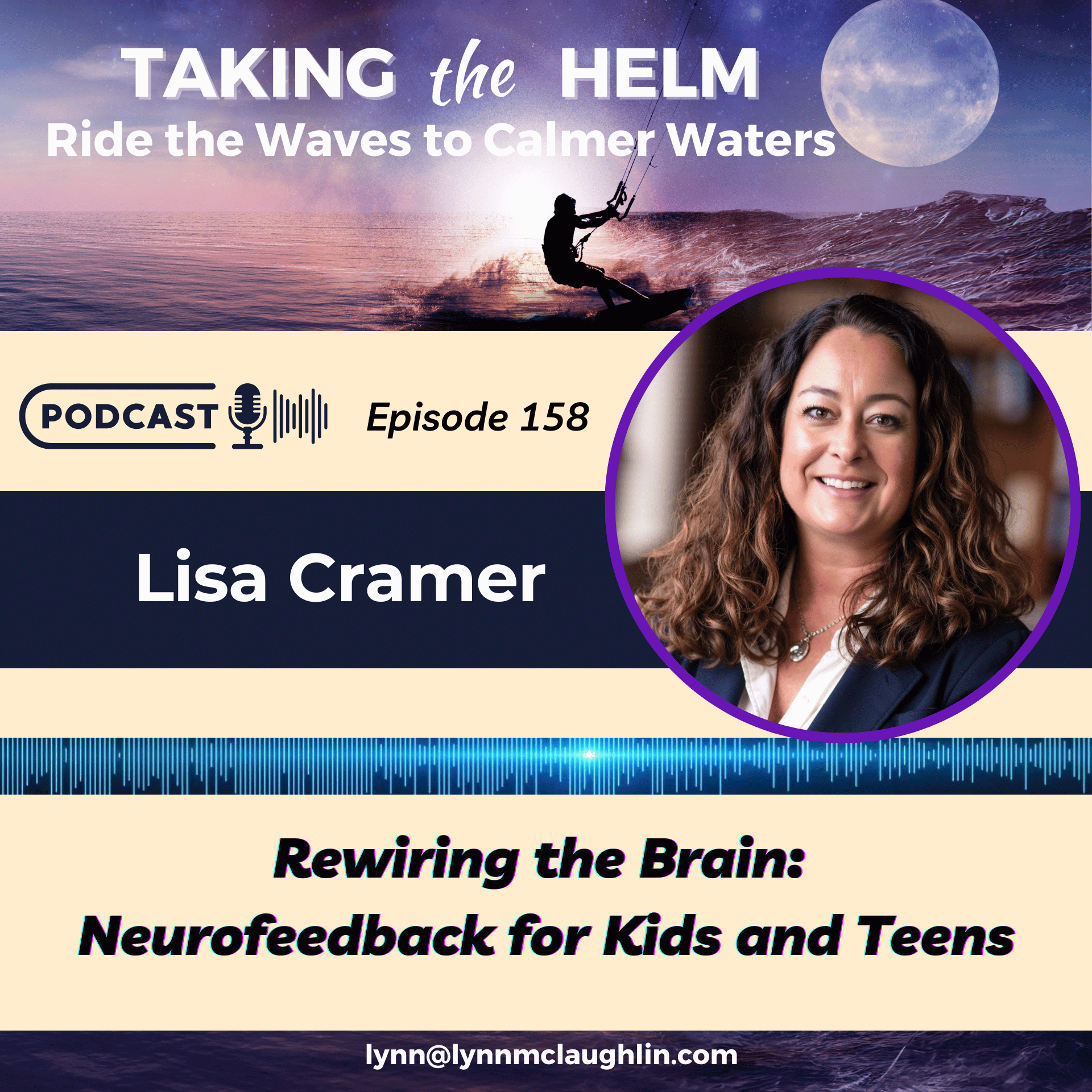
How can non-invasive neurofeedback can help children and adolescents struggling with ADHD, learning differences, anxiety, depression, emotional dysregulation, and more?
Licensed Clinical Professional Counselor and neurofeedback specialist Lisa Cramer explains how brainwave patterns influence focus, behavior, and emotions—and how neurotherapy can gently guide the brain toward healthier, more functional states.
Key topics:
💥 What happens during a neurofeedback assessment
💥 When it should be considered, and why it’s becoming an increasingly trusted option for families
💥 Real-life success stories
💥 The science of brainwaves and neuroplasticity. What does the research say?
💥 How to find a qualified practitioner.
💥 Safety and contraindications parents need to consider
💥 Emotional regulation can be brain based
💥 Neurofeedback in training, not treatment

Did you know that the questions we ask children should change as they develop? Asking the right questions at the right time helps children’s communication flourish.
Paula LaSala-Filangeri is a Speech-Language Pathologist who has been supporting children and families for over 25 years.
How can parents move beyond flashcards and start turning everyday routines, like walking in nature or baking a cake, into powerful opportunities for language growth?
Here are a few of the key insights we’ll explore:
💥 Parents as the Primary Language Facilitators
💥 Following Your Child’s Lead & Building on Motivation
💥 Creating Communicative Temptations
💥 Modeling, Not Testing
💥 Building Blocks of Sentences: Nouns + Verbs
💥 The Power of Questions (and the Right Order)

What if we stopped trying to “fix” children and started listening to their souls instead?
Michelle Harris has almost 30 years in the field of healing, well-being, and empowerment. She is the founder of the innovative Draco Dragon System of Healing & Master Healer/Teacher.
She helps us explore what it means to truly see, hear, and honour today’s sensitive, intuitive, and highly evolved children. From conscious parenting to energy healing in schools, Michelle shares a holistic approach that helps children feel safe, empowered, and emotionally aware.
💥 Why traditional systems often miss the mark
💥 The impact of soul frequency and energy on a child’s well-being
💥 Empowerment strategies that meet kids where they are
💥 Conscious parenting through boundaries, empathy, and emotional modelling
💥 Consequences instead of punishment
💥 Breathing, visualization, and mindfulness tools kids actually enjoy
💥 How schools can start small and still create big change
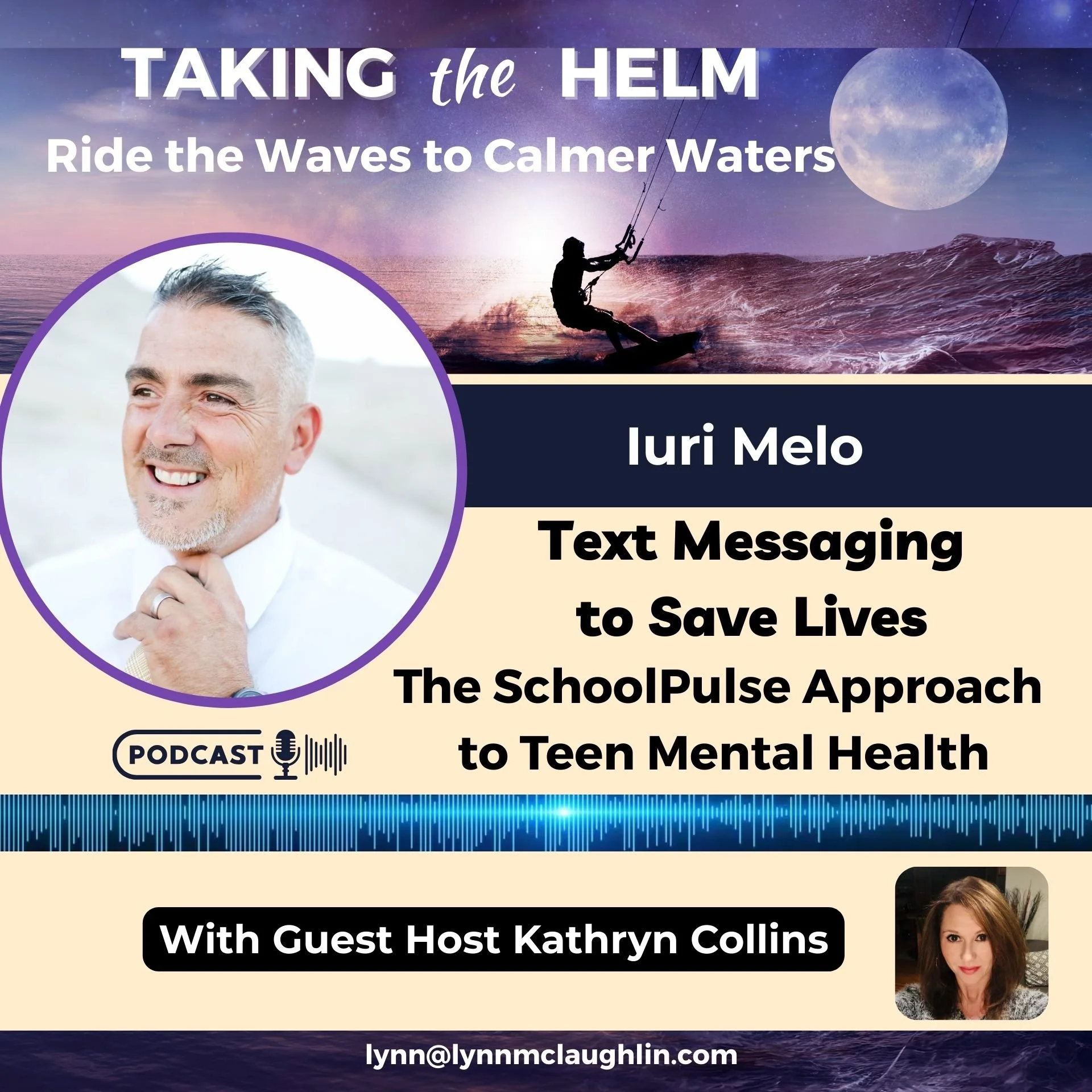
After a series of tragic teen suicides in his community, Licensed Clinical Social Worker Iuri Melo knew the old ways weren’t working. So, he co-founded SchoolPulse, a text-based mental health support system now used in over 300 schools across North America.
SchoolPulse, a powerful, text-based support system now used in over 300 schools across 25+ states.No apps. No extra workload for staff. Just proactive, ongoing support, delivered right to where teens already are.
Iuri shares how SchoolPulse is:
💥 Delivering real-time support to students, parents, and educators
💥 Grounded in research and designed to reach teens where they are
💥 Focused on growth mindset, optimism, and belonging
💥 Helping shift school culture toward proactive emotional support
💥 Backed by Iuri’s own insights as a father of five, therapist, author of Know Thy Selfie, and developer of Adventure-Based Therapy.
💥 Involved parents right from the beginning with weekly videos and positivity.
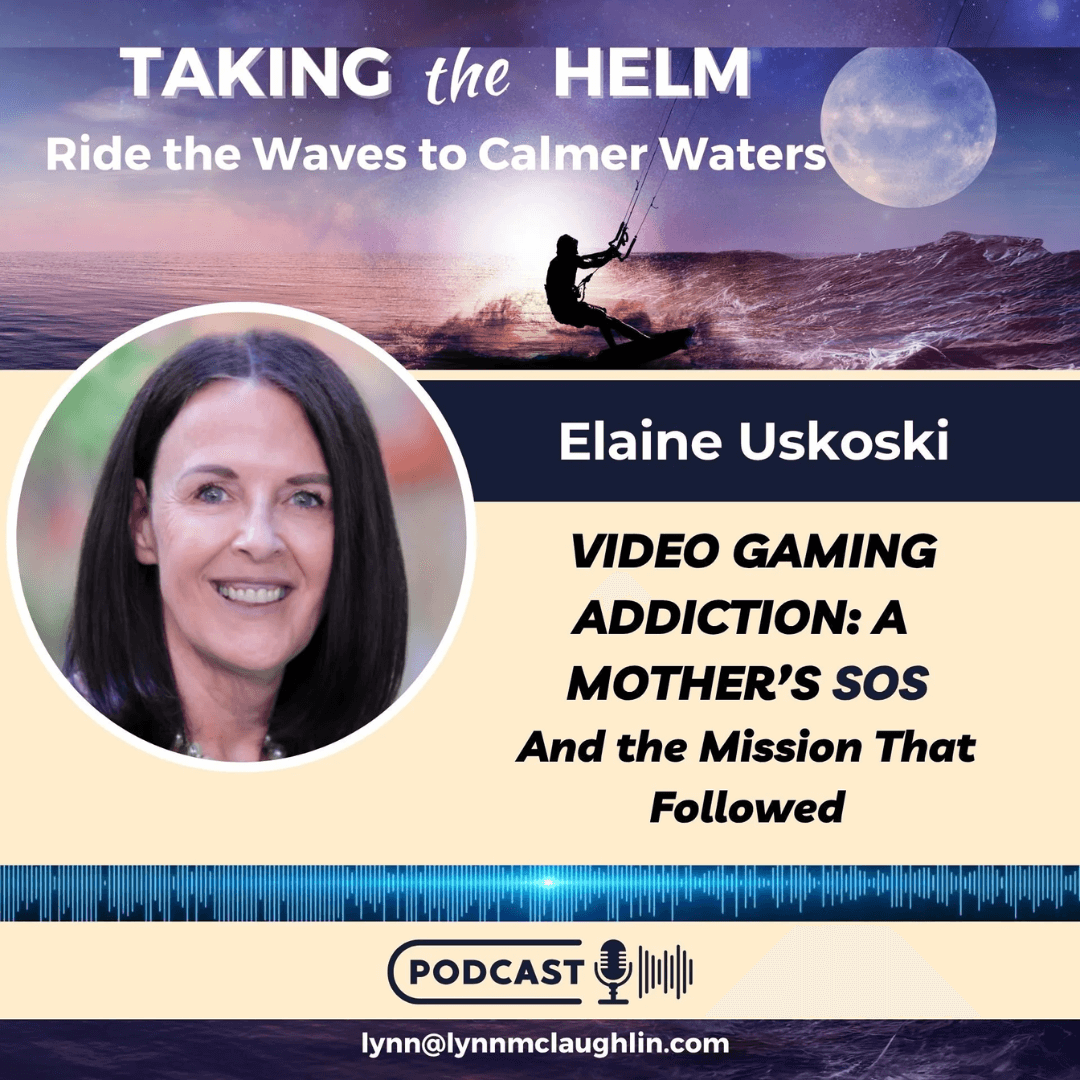
When Elaine Uskoski received a chilling email from her son, she knew something was deeply wrong. He had stopped attending university classes, missed deadlines, was sleeping all day, barely eating, and had been gaming for up to 16 hours a day. What began as a fearful drive to pick him up from campus became the beginning of a life-altering journey, not just for her son’s recovery, but for Elaine’s new purpose: helping families across the world understand and address video gaming addiction.
Now an internationally recognized coach, speaker, and author of Cyber Sober, Elaine joins us to share her story of heartbreak, healing, and hope, offering insight into a modern addiction that many still don’t recognize.
Highlights:
💥 The red flags of gaming addiction
💥 What recovery looked like at home
💥 Why "just take it away" doesn’t work
💥 Who’s most at risk (and why)
💥 What parents and educators can do
💥 Harm reduction strategies and prevention
💥 How Jake is thriving today, and helping others
💥 The modules now available for post-secondary schools and residences to raise student awareness
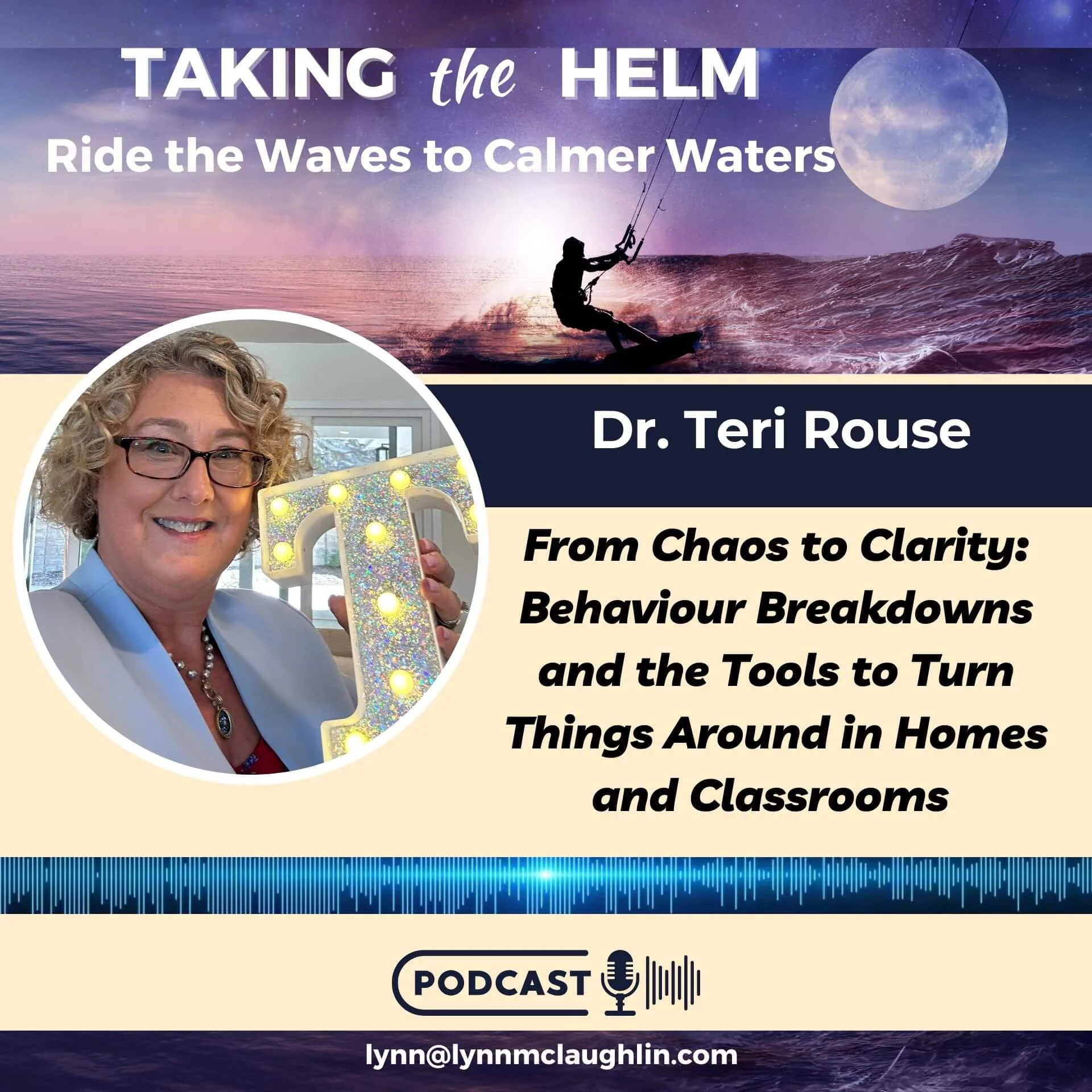
Whether you are navigating tantrums or teacher burnout, this week's guest on Taking the Helm, Dr. Teri Rouse offers real-world strategies that are practical, heartfelt, and deeply human. 𝐖𝐡𝐚𝐭 𝐡𝐚𝐩𝐩𝐞𝐧𝐬 𝐰𝐡𝐞𝐧 𝐚 𝐬𝐞𝐚𝐬𝐨𝐧𝐞𝐝 𝐞𝐝𝐮𝐜𝐚𝐭𝐨𝐫 𝐚𝐧𝐝 𝐬𝐩𝐞𝐜𝐢𝐚𝐥 𝐞𝐝𝐮𝐜𝐚𝐭𝐢𝐨𝐧 𝐞𝐱𝐩𝐞𝐫𝐭 𝐟𝐚𝐜𝐞𝐬 𝐛𝐞𝐡𝐚𝐯𝐢𝐨𝐮𝐫𝐬 𝐢𝐧 𝐡𝐞𝐫 𝐨𝐰𝐧 𝐡𝐨𝐦𝐞 𝐭𝐡𝐚𝐭 𝐬𝐡𝐞 𝐜𝐚𝐧’𝐭 𝐞𝐱𝐩𝐥𝐚𝐢𝐧, 𝐥𝐞𝐭 𝐚𝐥𝐨𝐧𝐞 𝐦𝐚𝐧𝐚𝐠𝐞?
Join Dr. Teri, Women Changing the World Award winner, as she shares her journey with her step-son and how it led her to a doctorate in behaviour management. She unpacks the emotional and professional challenges educators and parents face today, with solutions!
💥 Her unique BARC system for tracking behaviour.
💥 The importance of asking "What are you feeling now?", and how to co-create a plan that works for both child and adult. 💥 She opens up about her REAL Peaceful Parenting Framework, the power of communication in identifying root issues, and why early intervention is non-negotiable. 💥 From her Snuggle Bunny Time to her book 𝗨𝗻𝘁𝗮𝗺𝗲𝗱 𝗖𝗵𝗮𝗼𝘀, her tools and strategies are born from both academic expertise and lived experience. 💥 New autism research and practical ways to reconnect with your child—starting with one outdoor moment at a time.
Whether you’re a teacher, parent, or professional working with kids, this episode is a must-listen.
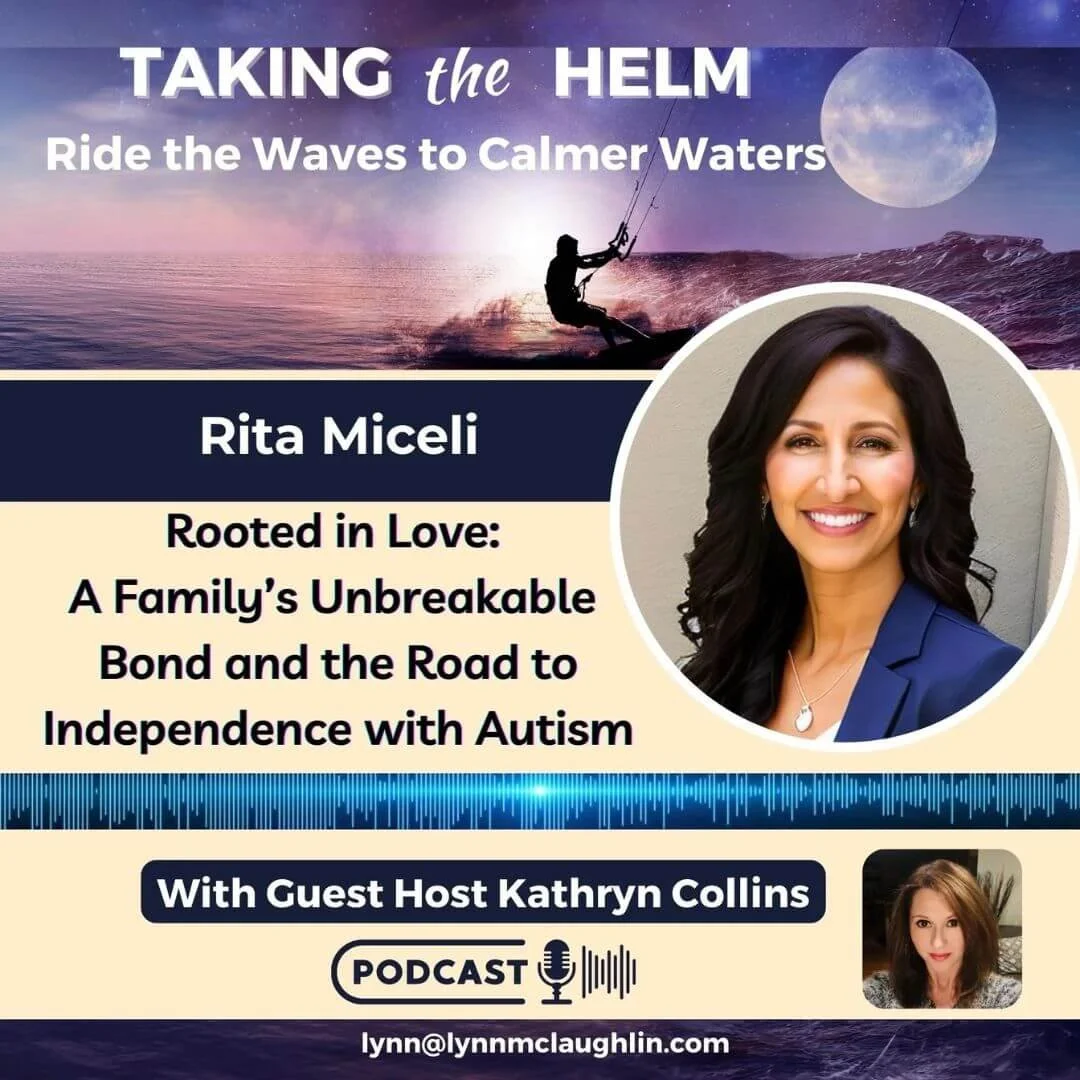
When Rita Miceli received her son Giaci’s autism diagnosis, her world shifted - but it didn’t break. In the second part of this heartfelt conversation on Taking the Helm, Rita shares how her family navigated the uncertainty, fear, generational and cultural beliefs by building an unshakable foundation of love, support, and understanding.
Rita also reflects on sibling connection, self-care, the steps they took to build their son's independence and how she found peace knowing her son will always be supported. It’s a conversation filled with honesty, hope, and the powerful reminder that love can truly light the way.
💥 How do parents cope when they hear the diagnosis?
💥 How do we take care of ourselves and find strength rather than working at it from a point of weakness?
💥 Giaci's siblings adore him. What made this possible and how has he has made them better people?
💥 Giaci did not go to traditional high school. What did he do as an alternative that introduced him to the work world?
💥How did one TikTok post go viral and how does Giaci's social media posts give families a light at the end of the tunnel?
💥 How did his family prepare Giaci for his sister's wedding and the dance he had with her?

Rita Miceli is the proud mother of three daughters and her autistic son. A TikTok video of her son became viral and sparked a community with over 600,000 followers. It was the catalyst for a platform, a message, and eventually, her book 𝗚𝗶𝗮𝗰𝗶 𝗮𝗻𝗱 𝗠𝗲: 𝐀 𝐌𝐨𝐭𝐡𝐞𝐫’𝐬 𝐉𝐨𝐮𝐫𝐧𝐞𝐲 𝐨𝐟 𝐋𝐨𝐯𝐢𝐧𝐠 𝐚𝐧𝐝 𝐑𝐚𝐢𝐬𝐢𝐧𝐠 𝐚𝐧 𝐀𝐮𝐭𝐢𝐬𝐭𝐢𝐜 𝐂𝐡𝐢𝐥𝐝.
For her manuscript, "Giaci and Me: Life Lessons on Raising an Autistic Child, " the Word Guild awarded her the Best New Canadian Manuscript award. With over three decades of educational experience, Rita teaches in the Autism and Behavioural Science Graduate Program at St. Clair College in Windsor, Ontario.
💥 What were the first indicators that caused concern?
💥 How did Giaci gain independence, and how effective was Applied Behaviour Analysis (ABA) in Giaci's development?
💥 Rita's journey as a mother of four, navigating the early signs, delayed diagnosis, and emotional toll of parenting a child with autism.
💥 Rita opens up about the grieving process parents often go through, mourning the life they imagined for their child and the one they must now build together.
💥 What is the latest research connecting genetics to autism and the groundbreaking work from Toronto Sick Kids Hospital?
💥 What are some early interventions?
Her family's journey has been highlighted in The Drive Magazine, on CTV News, and CBC National News. Rita is the past president of Autism Ontario (Windsor/Essex Chapter) and has published works on multiple platforms related to special needs and autism, including "A Call to Action" (Autism Matters) and "Words that Connect Us" (Canadian Authors Association). Additionally, Rita's short story "Going to the Dance" has been featured on Spillwords Press.

Assistive technology is more than just a tool—it’s a game-changer for students of all abilities, helping to bridge gaps in learning and create equitable opportunities.
Erin Plumb is a leader in assistive technology with 20+ years of expertise in accessibility, accommodations, and inclusion. Passionate about accessibility, she advocates for equitable education and empowers educators to adopt best practices in assistive technology, shaping a more inclusive future.
Key Points:
💥 What is assistive technology?
💥 Why is it so important globally in this digital world?
💥 Reading, Writing, Math and STEM programs (Text Help Read and Write, Equatio as examples)
💥 What are the pros and cons of using tech in the classroom? How does it support educators, inclusivity and those with special needs?
💥 What programs or apps can we use to access books and resources that are already formatted?
💥 Tips for parents on how to choose and use the right apps/tools.
💥 AI is here to stay. How do we embrace it safely in schools?
💥 What will assistive tech look like in the future and how should we support educators with universal design for learning?

Dr. Christine Daigle is a child and adolescent clinical neuropsychologist and clinical psychologist whose work includes brain-computer interface, translating brain signals into commands to control technology.
She's been doing children's psychology for 17 years, specializing in developmental disabilities, autism, learning challenges, and mental health.
Key points.
💥 Conditions that affect your brain also affect your life.
💥 What is Brain Computer Interface or BCI?
💥 Noninvasive headsets are being researched for children with neuromotor disorders, most of who are nonverbal. Children who have limited motor capabilities learn to use something in their environment.
💥 Imagine a child at home or in school making a character in a video game jump with their thoughts! With a few sessions of 20 minutes of training, students can turn their lights on and off, turn the pages of a virtual book, start and stop a motorized wheelchair, and more.
💥 Research is now being done in classroom environments with tremendous potential for independence, play, socialization, and inclusion.
💥 Anything that can be done with a switch adaptor can be done with a BCI. Communication is beginning to be researched with great potential using headsets.
💥 A current research study is underway. Can the headsets work in classrooms with noise, distraction, and movement? They are working in the current trials.
💥 What are the challenges?

Lindsey Frank, M.Ed., CEO of The Butterfly Within and President of the Coalition of Schools Educating Mindfully (COSEM), joins us to explore how cultivating presence through heart-centered practices can transform schools and communities. With over 13 years of experience as an educator and now a global changemaker, Lindsey shares her courageous journey of stepping out of the classroom to embrace a broader mission of empowering others to unlock their “butterfly within.”
We dive into:
💥 Why presence is essential in our rapidly evolving, often disconnected world.
💥 The HEART strategy—a powerful tool to unlock presence and foster emotional regulation.
💥 The importance of mindfulness-based social and emotional learning (SEL) as a way of being, not just something to do.
💥 How COSEM is creating an evolving educational ecosystem that starts with adults and ripples into school communities.
Lindsey also leads a guided mindfulness practice to help you assess and deepen your own level of presence. Whether you’re an educator, parent, or leader, this episode will leave you inspired to create courageous, calm, and connected communities through heart-centered mindfulness.

Guest Host Kathryn Collins continues the conversation with Jackie Savi-Cannon.
How do we help children build resilience and emotional literacy through mindfulness, yoga, and meditation? These practices can empower the next generation to cope better with life’s challenges. How can shifting our focus to states of peace and well-being can transform classrooms and families alike?
Learn how programs like Generation 1 Kids are equipping teachers, parents, and students with strategies to recognize and nurture emotional health, creating lasting habits that benefit both physical and mental well-being.
Highlights:
💥 Tools and techniques that integrate seamlessly into the school day through the Generation 1 program (from click-and-play video lessons to cross-subject applications, with training and support.
💥 How focusing on the three Cs of compassion, creativity, and collaboration changes classrooms.
💥 The science behind mindfulness and its instant results.
💥 Why relaxation is a state of being—not just an activity.
💥 How the "I" in team can be rebooted through emotional literacy.
💥 Real-world examples of integrating emotional well-being into classrooms and homes.
💥 Practical tips for creating a mindful family culture and fostering emotional awareness.

Jackie Savi-Cannon has specialized in stress management education for over 30 years, providing services to corporations such as CIBC, TD, RBC, BASF, Windsor Regional Hospital, and the City of Windsor.
Key points of this show include:
💥 𝑻𝒉𝒆 𝑮𝒆𝒏𝒆𝒓𝒂𝒕𝒊𝒐𝒏 𝑶𝒏𝒆 𝑲𝒊𝒅𝒔 𝑴𝒊𝒏𝒅𝒇𝒖𝒍𝒏𝒆𝒔𝒔 𝑷𝒓𝒐𝒈𝒓𝒂𝒎 for elementary school age children which assists in developing emotional literacy and tools to manage their stress as young individuals.
💥 What's the impact of emotional literacy on school culture?
💥 What are the wellness techniques for classrooms that are adapted from corporate, contributing to a calmer classroom environment?
💥 How do we develop emotional vocabulary and self-awareness so children can navigate them rather than getting "stuck"?
💥 Emotional states affect learning readiness including function, focus, and learning.
💥 The importance of proactive support for teachers so they have the tools for students, allowing them to focus on academics while creating a healthier classroom dynamic.

Radhika (aka: Rad) Lakhani Esq., LLM JD, is an expert in human conflict resolution and relationship dynamics. She has thousands of hours of experience as a divorce lawyer, mediator, children’s lawyer, court appointed dispute resolution officer, and educator.
Key points of our interview include:
💥 Pain Pushes you until vision pulls you
💥 Moving from Bay Street, to private practice and listening to her heart call her for something bigger.
💥 Conscious lawyering
💥 Rad's own awakening following the loss of her son at birth where she faced the greatest Armageddon of her life. What BIG question did she ask and get an answer to after experiencing such a loss?
💥 What are the foundational pillars that help us live an epic life?
💥 When we get quiet, what do we hear? Silence is underrated.
💥 What does it take to make a family thrive for parents and children? The three overarching categories?
💥 Different types of meditation and the impact of Dr. Joe Dispenza on Rad's life. Breaking through the four minute mile to tap into the next level. 💥 Rad shares tools through free resources, 1:1 coaching, group-coaching, and various online education courses.

Renata Chubb is a registered Expressive Arts Therapist and Arts Facilitator, working with groups and individuals, from young children to seniors whose backgrounds include a variety of needs and experiences. Whether you are looking to find your way through a challenging situation (e.g., grief, anxiety, substance abuse, medical conditions, relationship issues) or whether you want to rediscover your joy and aliveness, expressive arts therapy is right for you. She believes in her core that art, sound, movement, words, and play offer great potential for healing and reconnection with self. We need to tap out of. our thinking mind and feel our way through that moment, that experience, that memory. Without a doubt, a space can be made by working with colour, or sounds, tiny movements, our breath, written words.
Key points of our discussion include: 💥 What's the difference between Expressive Arts Therapy and an Art Therapy?
💥 The connection to journaling, drawing, painting, playing acting, dancing ... and diffusing the energy of a emotional tension.
💥 How children express themselves differently and why many are stifled from a young age. What's our role as parents to help embrace the arts, when we ourselves need to be in control?
💥 How we heal ourselves through the arts or identify what's getting in our way. It can be as gentle or as deep as we need it to be.
💥 Using our imagination and visualization and how our bodies/minds respond.
💥 How do our children express themselves in the world? Curiosity, physical, flow through nature, music etc
💥 Convenience Verses Skill... Let's stop correcting and fixing!

Educational technology should play a critical role in fostering both academic achievement and behavioral health. Our children need us more than ever. But has it? Michael Bates has designed a groundbreaking framework to help tech founders understand the challenges faced by our children and youth and their social responsibility to develop products that prioritize student wellness while supporting academic performance. How can these companies separate themselves from competitors and have an impact far beyond their product? wellness while supporting academic performance. How can these companies separate themselves from competitors and have an impact far beyond their product?
💥 Mike's work with Ed Tech developers to shift the focus for well-being to drive student success. How can tech foster authentic connections for Gen A and Gen Z, who are the most isolated generations?
💥 We are the face of our brand. What can we give rather than take?
💥 Understanding how we use technology effectively for our students from our holistic and wholistic lens.
💥 The United States model of Multi-Tiered Systems of Support (MTSS) which include academic and behavioural health. How can national standards drive change within district school boards?
💥 How can tech help educators tailor their teaching strategies to meet the unique needs of each student, including disengagement, lack of focus and behavioural issues?

Haze Schepmyer is a Life-Event Transition Consultant dedicated to helping individuals transition from surviving to thriving through life events. Following the unexpected loss of her dream job in 2019, Haze founded Grow My GRIT to spark powerful conversations about facing life's challenges with resilience.
She emphasizes reframing thoughts to focus on personal strengths and resources during tough times. Haze created the GRIT Growth Guide, a tool that helps people understand, develop, and demonstrate their GRIT both personally and professionally. Her GRIT framework has supported individuals of all ages in finding meaningful ways to thrive through life's transitions.
We delve into the incredible value of GRIT, especially for children and youth. Haze will explore the essential elements of GRIT and why understanding, developing, and demonstrating it is crucial in today's world. Here are six key questions we'll tackle:
💥 What is GRIT and who’s got it?
Discover the essence of GRIT and the characteristics of those who possess it.
💥 Why is it important to know your GRIT?
Reflect on Buddha's wisdom: "All that we are is the result of what we have thought," and learn why self-awareness of your GRIT matters.
💥 Why is it important to grow your GRIT?
Inspired by William James' insight, "Our greatest weapon against stress is our ability to choose one thought over another," understand the significance of nurturing your GRIT.
💥 Why is it important to show your GRIT?
Embrace Eckhart Tolle's belief that "Awareness is the greatest agent for change," and see how demonstrating your GRIT can inspire transformation.
💥 Why is it important to sow your GRIT?
Learn about the impact of modeling and nurturing GRIT as parents, guardians, mentors, role models, teachers, and community members.
💥 What’s the GRIT game?
Uncover the engaging and practical aspects of the GRIT game, a tool to instill resilience and perseverance in the younger generation.

𝑯𝙤𝒘 𝒄𝙖𝒏 𝒂 𝒑𝙚𝒓𝙨𝒐𝙣 𝙬𝒉𝙤 𝙡𝒂𝙘𝒌𝙨 𝙪𝒏𝙙𝒆𝙧𝒔𝙩𝒂𝙣𝒅𝙞𝒏𝙜, 𝒂𝙬𝒂𝙧𝒆𝙣𝒆𝙨𝒔 𝒂𝙣𝒅 𝒔𝙚𝒏𝙨𝒊𝙩𝒊𝙫𝒊𝙩𝒚 𝒎𝙤𝒗𝙚 𝙩𝒐 𝒂 𝒑𝙡𝒂𝙘𝒆 𝒐𝙛 𝙧𝒂𝙙𝒊𝙘𝒂𝙡 𝙚𝒎𝙥𝒂𝙩𝒉𝙮 𝙩𝙝𝙚𝙢𝙨𝙚𝙡𝙫𝙚𝙨, 𝙩𝙝𝙚𝙣 𝙩𝙚𝙖𝙘𝙝 𝙤𝙪𝙧 𝙤𝙬𝙣 𝙘𝙝𝙞𝙡𝙙𝙧𝙚𝙣 𝙖𝙣𝙙 𝙨𝙩𝙪𝙙𝙚𝙣𝙩𝙨? Bryan Saint-Louis has a goal to empower 1 million people to unlock their potential and pursue their dreams, equipping them with the tools to succeed and take action in today's world.
Bryan, a seasoned youth advocate and motivational speaker, has spent over a decade promoting resilience and leadership across North America. His personal journey through the loss of his daughter and his battle with depression grounds his advocacy in "𝑹𝙖𝒅𝙞𝒄𝙖𝒍 𝑬𝙢𝒑𝙖𝒕𝙝𝒚," a movement that not only fosters societal understanding but also inspires action.
💥 Bryan shares his vulnerability with the tragedy of losing a child and how one student saved his life.
💥 How his early calling towards becoming a pastor and working in a youth juvenile detention centre taught him the importance of meeting children where they are to truly help them.
💥 Why did he drop out after two years into his Master’s Program for Theology and how did this decision lift his relationship with his father?
💥 How do we practice and teach empathy with our own young children? Bryan shares concrete examples.
💥 He discusses major school issues: teacher support, rising student behavior problems, and the need for earlier intervention. He demonstrates practical empathy-building activities like the ‘breathing ball’ exercise with grade 3 students.
Subscribe from your the platform of your choice

More Than Math Facts: Building Confident, Capable Math Learners
What happens when a child decides, “I’m not a math person”? And how early does that belief begin?
Yvette Lehman and guest host Kathryn Colins explore what it really takes to build confident, capable math learners—and why the answer is about much more than math facts. Yvette is an Ontario Certified Teacher with over 16 years of experience across the classroom, district leadership, and math education. She now serves as Chief Academic Officer for Make Math Moments,
💥 The role teachers’ own attitudes and beliefs about mathematics play in shaping how students see themselves as learners.
💥 Why games and joyful experiences can be powerful entry points to mathematical thinking.
💥 How productive struggle helps students develop reasoning and resilience, and why we need to rethink how we approach fluency and math facts.
💥How do you teach a classroom full of students who are all at different levels?
💥 How assessment that actually helps teachers understand how children think
💥 The importance of small-group instruction, purposeful practice, repetition and automaticity, and the challenge of deciding what mathematics is truly essential when teachers are faced with an overwhelming number of curriculum expectations.
Most importantly, Yvette challenges us to look beyond “Can the student get the answer?” and ask:
How does this child think about mathematics—and what do they need from me next?
Because the goal isn't simply to get children through the math curriculum.lehman
It's to help them see themselves as capable mathematicians.
What happens when a child decides, “I’m not a math person”? And how early does that belief begin?
Yvette Lehman and guest host Kathryn Colins explore what it really takes to build confident, capable math learners—and why the answer is about much more than math facts. Yvette is an Ontario Certified Teacher with over 16 years of experience across the classroom, district leadership, and math education. She now serves as Chief Academic Officer for Make Math Moments,
💥 The role teachers’ own attitudes and beliefs about mathematics play in shaping how students see themselves as learners.
💥 Why games and joyful experiences can be powerful entry points to mathematical thinking.
💥 How productive struggle helps students develop reasoning and resilience, and why we need to rethink how we approach fluency and math facts.
💥How do you teach a classroom full of students who are all at different levels?
💥 How assessment that actually helps teachers understand how children think
💥 The importance of small-group instruction, purposeful practice, repetition and automaticity, and the challenge of deciding what mathematics is truly essential when teachers are faced with an overwhelming number of curriculum expectations.
Most importantly, Yvette challenges us to look beyond “Can the student get the answer?” and ask:
How does this child think about mathematics—and what do they need from me next?
Because the goal isn't simply to get children through the math curriculum.
It's to help them see themselves as capable mathematicians.
The school year is underway, but what happens when a child continues to struggle long after the adjustment period?
Erin Plumb talks with guest host Kathryn Collins about the signs parents should watch for when a child may need extra academic, social, or emotional support - from school avoidance and homework battles to difficulty with reading, writing, math, organization, or following instructions.
💥What are some signs to watch for (tears, fears, avoidance etc)?
💥How can learning challenges affect a child’s confidence and behaviour?
💥How parents can start a productive conversation with their child’s teacher and questions to ask.
💥 What support is available through the Learning Disabilities Association of Windsor-Essex Families don’t necessarily need a formal diagnosis to reach out. (Including academic programs, tutoring, executive-function support, social-emotional programs, and youth coaching.)
💥 What to look for and what to do next.
💥 What are a few practical things parents can do to support learning while protecting their relationship and their child’s confidence?
This episode is a must for a parent who is thinking, “This sounds like my child” and wondering what to do about it.
What happens when a child decides, “I’m not a math person”? And how early does that belief begin?
Yvette Lehman and guest host Kathryn Colins explore what it really takes to build confident, capable math learners—and why the answer is about much more than math facts. Yvette is an Ontario Certified Teacher with over 16 years of experience across the classroom, district leadership, and math education. She now serves as Chief Academic Officer for Make Math Moments,
💥 The role teachers’ own attitudes and beliefs about mathematics play in shaping how students see themselves as learners.
💥 Why games and joyful experiences can be powerful entry points to mathematical thinking.
💥 How productive struggle helps students develop reasoning and resilience, and why we need to rethink how we approach fluency and math facts.
💥How do you teach a classroom full of students who are all at different levels?
💥 How assessment that actually helps teachers understand how children think
💥 The importance of small-group instruction, purposeful practice, repetition and automaticity, and the challenge of deciding what mathematics is truly essential when teachers are faced with an overwhelming number of curriculum expectations.
Most importantly, Yvette challenges us to look beyond “Can the student get the answer?” and ask:
How does this child think about mathematics—and what do they need from me next?
Because the goal isn't simply to get children through the math curriculum.lehman
It's to help them see themselves as capable mathematicians.
Learning to read is one of the most important skills a child develops and is not natural. It must be explicitly taught. Reading requires an understanding of how the brain learns to read, as well as evidence-based practices that help learners build a strong foundation.
Mary-Anne Mouawad is the Founder and Director of The Reading Clinic and a literacy educator with more than 25 years of experience supporting children, youth, and adults on their reading journeys. Mary-Anne shares her passion for the Science of Reading and explains why explicit, systematic, sequential, and multisensory instruction matters.
In this episode, you’ll discover:
💥 Why many educators feel unprepared to teach children how to read and why understanding the Science of Reading is essential
💥 The four key components of effective reading instruction and what they mean.
💥 The connection between decoding and language comprehension, and why both are necessary for reading comprehension
💥 The difference between phonological awareness and phonemic awareness, and why these skills begin with listening before reading and writing
💥 How young children can build early literacy skills through rhyming, songs, chants, syllable activities, and sound play
💥Practical strategies for parents, including ways to support pre-reading skills with young children
💥 Why older students who struggle with reading need assessment to identify specific areas for support
💥 How educators can use evidence-based resources and approaches aligned with the Science of Reading
💥 Why choosing a literacy tutor or support provider who understands how reading develops matters
𝐈𝐧 𝐚 𝐰𝐨𝐫𝐥𝐝 𝐰𝐡𝐞𝐫𝐞 𝐲𝐨𝐮𝐧𝐠 𝐩𝐞𝐨𝐩𝐥𝐞 𝐡𝐚𝐯𝐞 𝐮𝐧𝐥𝐢𝐦𝐢𝐭𝐞𝐝 𝐚𝐜𝐜𝐞𝐬𝐬 𝐭𝐨 𝐢𝐧𝐟𝐨𝐫𝐦𝐚𝐭𝐢𝐨𝐧 𝐛𝐮𝐭 𝐨𝐟𝐭𝐞𝐧 𝐥𝐢𝐦𝐢𝐭𝐞𝐝 𝐨𝐩𝐩𝐨𝐫𝐭𝐮𝐧𝐢𝐭𝐢𝐞𝐬 𝐭𝐨 𝐝𝐞𝐯𝐞𝐥𝐨𝐩 𝐞𝐬𝐬𝐞𝐧𝐭𝐢𝐚𝐥 𝐥𝐢𝐟𝐞 𝐬𝐤𝐢𝐥𝐥𝐬, 𝐡𝐨𝐰 𝐝𝐨 𝐰𝐞 𝐡𝐞𝐥𝐩 𝐭𝐡𝐞𝐦 𝐭𝐡𝐫𝐢𝐯𝐞?
Guest host Kathryn Collins sits down with entrepreneur and youth advocate Rob Heller, founder of the Boost Program. Rob shares how a search for life skills training for his own teenage son led him to create a program that is now being used by schools and organizations across the country.
Together, they explore why social-emotional learning matters more than ever, the impact of smartphones and social media on youth engagement, and the skills that help young people build confidence, resilience, responsibility, and self-leadership. Rob also discusses the importance of practice, the role of caring adults, and why he remains optimistic about the next generation.
Academic success alone isn't enough. Skills such as communication, responsibility, goal setting, self-awareness, and resilience can be taught and practiced.
💥 Information isn't the same as learning.
💥 What is the impact of Social media and phones from the eyes of our youth?
💥 What action can we take to build the skills and character our children and youth need for life?
💥 One caring adult can make a lasting difference. Parents, educators, coaches, and mentors all have the power to positively influence a young person's confidence, mindset, and future.
💥 Confidence and resilience grow through practice.
💥 There is reason for optimism!
𝐖𝐡𝐚𝐭 𝐠𝐨𝐞𝐬 𝐭𝐡𝐫𝐨𝐮𝐠𝐡 𝐚 𝐩𝐚𝐫𝐞𝐧𝐭'𝐬 𝐦𝐢𝐧𝐝 𝐰𝐡𝐞𝐧 𝐚 𝐬𝐜𝐡𝐨𝐨𝐥 𝐬𝐚𝐲𝐬, "𝐖𝐞 𝐭𝐡𝐢𝐧𝐤 𝐲𝐨𝐮𝐫 𝐜𝐡𝐢𝐥𝐝 𝐦𝐚𝐲 𝐧𝐞𝐞𝐝 𝐚𝐧 𝐈𝐄𝐏," 𝐚𝐧𝐝 𝐰𝐡𝐲 𝐝𝐨 𝐬𝐨 𝐦𝐚𝐧𝐲 𝐜𝐚𝐫𝐢𝐧𝐠, 𝐜𝐚𝐩𝐚𝐛𝐥𝐞 𝐩𝐚𝐫𝐞𝐧𝐭𝐬 𝐬𝐮𝐝𝐝𝐞𝐧𝐥𝐲 𝐟𝐞𝐞𝐥 𝐨𝐯𝐞𝐫𝐰𝐡𝐞𝐥𝐦𝐞𝐝 𝐛𝐲 𝐭𝐡𝐞 𝐩𝐫𝐨𝐜𝐞𝐬𝐬?
Lisa Richer is a neurodiversity consultant, speaker, coach, and founder of Journey2Bloom.
One of Lisa's most powerful insights is that "neurodiversity is the prism lighting the table." Rather than viewing differences as deficits, she encourages families and educators to see neurodiversity as a lens that brings new understanding, perspective, and opportunity to every conversation.
💥 What an Individualized Education Program (IEP) is and how it differs from a 504 Plan in the United States
💥 The biggest concerns and challenges parents often face when a school recommends an IEP
💥 Practical strategies for navigating what can feel like a complex and overwhelming process
💥 Why clear communication and strong partnerships between families and schools are essential
💥 The importance of keeping the child at the centre of every discussion and decision
💥 How Lisa helps parents prepare for meetings and feel more confident advocating for their child
💥 A real-life example of how expert guidance can help families achieve better outcomes
💥 No parent has to feel alone.
Guest host Kathryn Collins sits down with Derek Crager to explore how AI is beginning to reshape learning in practical, student-centered ways. Derek is the creator of Pocket Mentor, an AI-powered platform designed to provide real-time, voice-based support for learning and reflection. Derek shares why Pocket Mentor is grounded in a “human-first” approach - where AI is designed to support, not replace, the role of educators, parents, and professionals.
For students who hesitate to speak up, it creates a private space to build confidence. For those ready to go further, it removes limits on how deeply they can learn.
Key points:
💥 Students are not accessing the world wide web - only the information in the data base of the program.
💥 What about accuracy?
💥 What about over-reliance or the human connection?
💥 How can tools like this can offer immediate support when traditional systems are limited by time, cost, or availability?
💥 What does this mean for a generation of children growing up with AI: the opportunities, the risks, and the responsibility to use it with intention and clear boundaries?
It’s a balanced, forward-looking discussion about how AI can enhance learning, support confidence, and expand what’s possible - when we keep people at the center.
Grounded in a belief that AI should enhance human potential, Derek advocates for responsible, bounded systems that prioritize accuracy, accessibility, and human connection.
𝐖𝐡𝐚𝐭 𝐢𝐟 𝐭𝐡𝐞 𝐛𝐞𝐡𝐚𝐯𝐢𝐨𝐮𝐫𝐬 𝐰𝐞’𝐫𝐞 𝐭𝐫𝐲𝐢𝐧𝐠 𝐭𝐨 𝐦𝐚𝐧𝐚𝐠𝐞 𝐚𝐫𝐞𝐧’𝐭 𝐫𝐞𝐚𝐥𝐥𝐲 𝐚𝐛𝐨𝐮𝐭 𝐛𝐞𝐡𝐚𝐯𝐢𝐨𝐮𝐫 𝐚𝐭 𝐚𝐥𝐥?
Guest host Kathryn Collins sits down with Lisa Denahy, founder of Create Calm, to explore what it really means to support a child’s emotional and behavioural regulation. We often focus on what we see—tantrums, defiance, big reactions—but beneath it all is something deeper: the connection between the mind, the body, and a child’s developing sense of self.
Lisa shares a powerful shift in perspective… from controlling behaviour to creating the conditions where children feel safe enough to learn how to regulate themselves.
Key points:
💥 Why discipline needs to be redefined
💥 The role of movement, breath, and the nervous system
💥 Why children need us to model the skills we expect from them
💥 How “testing limits” is actually a sign of trust and growth
💥 Simple, practical ways to build regulation before challenging moments happen
𝐓𝐡𝐢𝐬 𝐜𝐨𝐧𝐯𝐞𝐫𝐬𝐚𝐭𝐢𝐨𝐧 𝐢𝐬 𝐚 𝐫𝐞𝐦𝐢𝐧𝐝𝐞𝐫 𝐭𝐡𝐚𝐭 𝐜𝐚𝐥𝐦 𝐢𝐬𝐧’𝐭 𝐬𝐨𝐦𝐞𝐭𝐡𝐢𝐧𝐠 𝐰𝐞 𝐝𝐞𝐦𝐚𝐧𝐝 𝐟𝐫𝐨𝐦 𝐜𝐡𝐢𝐥𝐝𝐫𝐞𝐧… 𝐢𝐭’𝐬 𝐬𝐨𝐦𝐞𝐭𝐡𝐢𝐧𝐠 𝐰𝐞 𝐡𝐞𝐥𝐩 𝐭𝐡𝐞𝐦 𝐝𝐢𝐬𝐜𝐨𝐯𝐞𝐫—𝐬𝐭𝐚𝐫𝐭𝐢𝐧𝐠 𝐰𝐢𝐭𝐡 𝐨𝐮𝐫𝐬𝐞𝐥𝐯𝐞𝐬.
With an MS in Yoga Therapy and BA in Psychology, over 30 years as a school administrator and SEL curriculum developer, and certification as an advanced educator and trainer, Lisa is highly skilled at creating accessible, evidence-based, successful curricula for behavioral and emotional regulation, as well as physical and mental health.
Some children shine in obvious ways. Others quietly wonder if anyone truly sees them.
Guest Host Kathryn Colins speaks with Dr. Mark Perloe, a retired IVF specialist and grandfather, whose relationship with his two grandsons inspired him to write his first children’s book. One grandson is highly focused and neurodivergent. The other sometimes feels invisible -but uses humour as his superpower to connect.
💥 How children who feel unseen can discover their own strengths
💥 The power of humour, empathy, and kindness in building confidence
💥 The unique role grandparents and adults can play in nurturing emotional well-being
💥 Why noticing and valuing every child creates stronger families and communities
💥 How Milo's story has helped to build a connection between siblings. How did Mark and his cousin work together to make publishing Milo's Superpower possible.
Sometimes the most powerful thing we can do is simply see a child - and help them recognize the superpowers they already have.
Dr. Theresa Lyons, Ph.D. in chemistry from Yale University, shares her unique perspective as both a scientist and a mother of a daughter with autism. Drawing on cutting-edge research and her personal journey, Dr. Lyons explores the underlying health and environmental factors that can influence a child’s development beyond the autism diagnosis. She launched "Navigating Awetism" to help parents.
💥 Understanding the role of genetics and risk factors in autism and how research informs what we can address.
💥 Exploring environmental factors that can influence a child’s sleep, health and behaviour.
💥 Looking at gut health, food allergies, and sensitivities as possible contributors to well-being. (Gluten, Candida and other gut infections.)
💥 How functional medicine approaches, including Vitamin D, B12, and other assessments, can uncover hidden opportunities for improvement.
💥 The role of detoxification and overall health management in supporting daily functioning and quality of life.
💥 Emphasizing a whole-child approach that empowers parents to take proactive steps while respecting each child’s unique needs.
💥 Supporting the entire family.
Kimberly Gawne is an educator and founder of Star Students, a program that creates personalized learning plans driven by each child’s interests. Starting as a tutor during COVID-19 school closures, she now supports families with homeschooling, curriculum guidance, and real-world learning experiences, helping students develop critical thinking and a love of learning.
Guest host Kathryn Collins dives into the key topics with Kim:💥 Why did Kim leave the public/private school systems and begin tutoring?
💥 How does Star Students work to support parents who home school?
💥 What are the age ranges, daily instructional time and choices for parents?
💥 What are the challenges of homeschooling and some solutions?
💥 Why is critical thinking so important?
💥 How can parents prepare themselves to begin?
💥 World Schooling - How families travelling the world are educating their children.
Laurel Crossley joins us again with guest host Kathryn Collins to explore how small, thoughtful decisions can make a huge difference for families during the holidays. From keeping little ones comfortable and predictable to helping older kids engage in meaningful ways, we cover boundaries, calm moments, and simple strategies to create lasting memories without the overwhelm.
Key Points:
💥 Keeping young children settled and comfortable, even when routines are challenged.
💥 Setting clear expectations with extended family to reduce tension and stress.
💥 Creating calm spaces and rhythms that support babies, toddlers, and new parents.
💥 Reimagining gift-giving and holiday activities to boost connection, not clutter.
💥 Involving older children in planning, budgeting, and traditions that teach life skills.
💥 Recognizing when it’s time to pause or step back to protect your child’s well-being.
𝐃𝐢𝐝 𝐲𝐨𝐮 𝐤𝐧𝐨𝐰 𝐜𝐚𝐥𝐦 𝐛𝐞𝐟𝐨𝐫𝐞 𝐛𝐢𝐫𝐭𝐡 𝐬𝐡𝐚𝐩𝐞𝐬 𝐲𝐨𝐮𝐫 𝐭𝐨𝐝𝐝𝐥𝐞𝐫’𝐬 𝐞𝐦𝐨𝐭𝐢𝐨𝐧𝐬? 𝐇𝐨𝐰 𝐜𝐚𝐧 𝐞𝐚𝐫𝐥𝐲 𝐜𝐚𝐥𝐦 𝐡𝐞𝐥𝐩 𝐲𝐨𝐮𝐫 𝐭𝐨𝐝𝐝𝐥𝐞𝐫 𝐨𝐫 𝐩𝐫𝐞𝐬𝐜𝐡𝐨𝐨𝐥𝐞𝐫 𝐦𝐚𝐧𝐚𝐠𝐞 𝐛𝐢𝐠 𝐟𝐞𝐞𝐥𝐢𝐧𝐠𝐬?
Educator and wellness expert Laurel Crossley shares insights from 30 years of supporting families, and the science behind calm beginnings that lead to confident kids.Laurel Crosby shares how a mother’s emotional state, even before birth, can shape a child’s development for years to come.
💥 She explains the importance of supporting maternal mental, emotional, and spiritual health
💥 How early calm and connection lay the foundation for resilient, empathetic children.
💥 From mindfulness in everyday life to modelling emotional regulation during tantrums
💥 Practical strategies for parents and educators
💥 The power of outdoor play, sensory tools, and storytelling to help children manage their emotions.
How can non-invasive neurofeedback can help children and adolescents struggling with ADHD, learning differences, anxiety, depression, emotional dysregulation, and more?
Licensed Clinical Professional Counselor and neurofeedback specialist Lisa Cramer explains how brainwave patterns influence focus, behavior, and emotions—and how neurotherapy can gently guide the brain toward healthier, more functional states.
Key topics:
💥 What happens during a neurofeedback assessment
💥 When it should be considered, and why it’s becoming an increasingly trusted option for families
💥 Real-life success stories
💥 The science of brainwaves and neuroplasticity. What does the research say?
💥 How to find a qualified practitioner.
💥 Safety and contraindications parents need to consider
💥 Emotional regulation can be brain based
💥 Neurofeedback in training, not treatment
Did you know that the questions we ask children should change as they develop? Asking the right questions at the right time helps children’s communication flourish.
Paula LaSala-Filangeri is a Speech-Language Pathologist who has been supporting children and families for over 25 years.
How can parents move beyond flashcards and start turning everyday routines, like walking in nature or baking a cake, into powerful opportunities for language growth?
Here are a few of the key insights we’ll explore:
💥 Parents as the Primary Language Facilitators
💥 Following Your Child’s Lead & Building on Motivation
💥 Creating Communicative Temptations
💥 Modeling, Not Testing
💥 Building Blocks of Sentences: Nouns + Verbs
💥 The Power of Questions (and the Right Order)
What if we stopped trying to “fix” children and started listening to their souls instead?
Michelle Harris has almost 30 years in the field of healing, well-being, and empowerment. She is the founder of the innovative Draco Dragon System of Healing & Master Healer/Teacher.
She helps us explore what it means to truly see, hear, and honour today’s sensitive, intuitive, and highly evolved children. From conscious parenting to energy healing in schools, Michelle shares a holistic approach that helps children feel safe, empowered, and emotionally aware.
💥 Why traditional systems often miss the mark
💥 The impact of soul frequency and energy on a child’s well-being
💥 Empowerment strategies that meet kids where they are
💥 Conscious parenting through boundaries, empathy, and emotional modelling
💥 Consequences instead of punishment
💥 Breathing, visualization, and mindfulness tools kids actually enjoy
💥 How schools can start small and still create big change
After a series of tragic teen suicides in his community, Licensed Clinical Social Worker Iuri Melo knew the old ways weren’t working. So, he co-founded SchoolPulse, a text-based mental health support system now used in over 300 schools across North America.
SchoolPulse, a powerful, text-based support system now used in over 300 schools across 25+ states.No apps. No extra workload for staff. Just proactive, ongoing support, delivered right to where teens already are.
Iuri shares how SchoolPulse is:
💥 Delivering real-time support to students, parents, and educators
💥 Grounded in research and designed to reach teens where they are
💥 Focused on growth mindset, optimism, and belonging
💥 Helping shift school culture toward proactive emotional support
💥 Backed by Iuri’s own insights as a father of five, therapist, author of Know Thy Selfie, and developer of Adventure-Based Therapy.
💥 Involved parents right from the beginning with weekly videos and positivity.
When Elaine Uskoski received a chilling email from her son, she knew something was deeply wrong. He had stopped attending university classes, missed deadlines, was sleeping all day, barely eating, and had been gaming for up to 16 hours a day. What began as a fearful drive to pick him up from campus became the beginning of a life-altering journey, not just for her son’s recovery, but for Elaine’s new purpose: helping families across the world understand and address video gaming addiction.
Now an internationally recognized coach, speaker, and author of Cyber Sober, Elaine joins us to share her story of heartbreak, healing, and hope, offering insight into a modern addiction that many still don’t recognize.
Highlights:
💥 The red flags of gaming addiction
💥 What recovery looked like at home
💥 Why "just take it away" doesn’t work
💥 Who’s most at risk (and why)
💥 What parents and educators can do
💥 Harm reduction strategies and prevention
💥 How Jake is thriving today, and helping others
💥 The modules now available for post-secondary schools and residences to raise student awareness
Whether you are navigating tantrums or teacher burnout, this week's guest on Taking the Helm, Dr. Teri Rouse offers real-world strategies that are practical, heartfelt, and deeply human. 𝐖𝐡𝐚𝐭 𝐡𝐚𝐩𝐩𝐞𝐧𝐬 𝐰𝐡𝐞𝐧 𝐚 𝐬𝐞𝐚𝐬𝐨𝐧𝐞𝐝 𝐞𝐝𝐮𝐜𝐚𝐭𝐨𝐫 𝐚𝐧𝐝 𝐬𝐩𝐞𝐜𝐢𝐚𝐥 𝐞𝐝𝐮𝐜𝐚𝐭𝐢𝐨𝐧 𝐞𝐱𝐩𝐞𝐫𝐭 𝐟𝐚𝐜𝐞𝐬 𝐛𝐞𝐡𝐚𝐯𝐢𝐨𝐮𝐫𝐬 𝐢𝐧 𝐡𝐞𝐫 𝐨𝐰𝐧 𝐡𝐨𝐦𝐞 𝐭𝐡𝐚𝐭 𝐬𝐡𝐞 𝐜𝐚𝐧’𝐭 𝐞𝐱𝐩𝐥𝐚𝐢𝐧, 𝐥𝐞𝐭 𝐚𝐥𝐨𝐧𝐞 𝐦𝐚𝐧𝐚𝐠𝐞?
Join Dr. Teri, Women Changing the World Award winner, as she shares her journey with her step-son and how it led her to a doctorate in behaviour management. She unpacks the emotional and professional challenges educators and parents face today, with solutions!
💥 Her unique BARC system for tracking behaviour.
💥 The importance of asking "What are you feeling now?", and how to co-create a plan that works for both child and adult. 💥 She opens up about her REAL Peaceful Parenting Framework, the power of communication in identifying root issues, and why early intervention is non-negotiable. 💥 From her Snuggle Bunny Time to her book 𝗨𝗻𝘁𝗮𝗺𝗲𝗱 𝗖𝗵𝗮𝗼𝘀, her tools and strategies are born from both academic expertise and lived experience. 💥 New autism research and practical ways to reconnect with your child—starting with one outdoor moment at a time.
Whether you’re a teacher, parent, or professional working with kids, this episode is a must-listen.
When Rita Miceli received her son Giaci’s autism diagnosis, her world shifted - but it didn’t break. In the second part of this heartfelt conversation on Taking the Helm, Rita shares how her family navigated the uncertainty, fear, generational and cultural beliefs by building an unshakable foundation of love, support, and understanding.
Rita also reflects on sibling connection, self-care, the steps they took to build their son's independence and how she found peace knowing her son will always be supported. It’s a conversation filled with honesty, hope, and the powerful reminder that love can truly light the way.
💥 How do parents cope when they hear the diagnosis?
💥 How do we take care of ourselves and find strength rather than working at it from a point of weakness?
💥 Giaci's siblings adore him. What made this possible and how has he has made them better people?
💥 Giaci did not go to traditional high school. What did he do as an alternative that introduced him to the work world?
💥How did one TikTok post go viral and how does Giaci's social media posts give families a light at the end of the tunnel?
💥 How did his family prepare Giaci for his sister's wedding and the dance he had with her?
Rita Miceli is the proud mother of three daughters and her autistic son. A TikTok video of her son became viral and sparked a community with over 600,000 followers. It was the catalyst for a platform, a message, and eventually, her book 𝗚𝗶𝗮𝗰𝗶 𝗮𝗻𝗱 𝗠𝗲: 𝐀 𝐌𝐨𝐭𝐡𝐞𝐫’𝐬 𝐉𝐨𝐮𝐫𝐧𝐞𝐲 𝐨𝐟 𝐋𝐨𝐯𝐢𝐧𝐠 𝐚𝐧𝐝 𝐑𝐚𝐢𝐬𝐢𝐧𝐠 𝐚𝐧 𝐀𝐮𝐭𝐢𝐬𝐭𝐢𝐜 𝐂𝐡𝐢𝐥𝐝.
For her manuscript, "Giaci and Me: Life Lessons on Raising an Autistic Child, " the Word Guild awarded her the Best New Canadian Manuscript award. With over three decades of educational experience, Rita teaches in the Autism and Behavioural Science Graduate Program at St. Clair College in Windsor, Ontario.
💥 What were the first indicators that caused concern?
💥 How did Giaci gain independence, and how effective was Applied Behaviour Analysis (ABA) in Giaci's development?
💥 Rita's journey as a mother of four, navigating the early signs, delayed diagnosis, and emotional toll of parenting a child with autism.
💥 Rita opens up about the grieving process parents often go through, mourning the life they imagined for their child and the one they must now build together.
💥 What is the latest research connecting genetics to autism and the groundbreaking work from Toronto Sick Kids Hospital?
💥 What are some early interventions?
Her family's journey has been highlighted in The Drive Magazine, on CTV News, and CBC National News. Rita is the past president of Autism Ontario (Windsor/Essex Chapter) and has published works on multiple platforms related to special needs and autism, including "A Call to Action" (Autism Matters) and "Words that Connect Us" (Canadian Authors Association). Additionally, Rita's short story "Going to the Dance" has been featured on Spillwords Press.
Assistive technology is more than just a tool—it’s a game-changer for students of all abilities, helping to bridge gaps in learning and create equitable opportunities.
Erin Plumb is a leader in assistive technology with 20+ years of expertise in accessibility, accommodations, and inclusion. Passionate about accessibility, she advocates for equitable education and empowers educators to adopt best practices in assistive technology, shaping a more inclusive future.
Key Points:
💥 What is assistive technology?
💥 Why is it so important globally in this digital world?
💥 Reading, Writing, Math and STEM programs (Text Help Read and Write, Equatio as examples)
💥 What are the pros and cons of using tech in the classroom? How does it support educators, inclusivity and those with special needs?
💥 What programs or apps can we use to access books and resources that are already formatted?
💥 Tips for parents on how to choose and use the right apps/tools.
💥 AI is here to stay. How do we embrace it safely in schools?
💥 What will assistive tech look like in the future and how should we support educators with universal design for learning?
Dr. Christine Daigle is a child and adolescent clinical neuropsychologist and clinical psychologist whose work includes brain-computer interface, translating brain signals into commands to control technology.
She's been doing children's psychology for 17 years, specializing in developmental disabilities, autism, learning challenges, and mental health.
Key points.
💥 Conditions that affect your brain also affect your life.
💥 What is Brain Computer Interface or BCI?
💥 Noninvasive headsets are being researched for children with neuromotor disorders, most of who are nonverbal. Children who have limited motor capabilities learn to use something in their environment.
💥 Imagine a child at home or in school making a character in a video game jump with their thoughts! With a few sessions of 20 minutes of training, students can turn their lights on and off, turn the pages of a virtual book, start and stop a motorized wheelchair, and more.
💥 Research is now being done in classroom environments with tremendous potential for independence, play, socialization, and inclusion.
💥 Anything that can be done with a switch adaptor can be done with a BCI. Communication is beginning to be researched with great potential using headsets.
💥 A current research study is underway. Can the headsets work in classrooms with noise, distraction, and movement? They are working in the current trials.
💥 What are the challenges?
Lindsey Frank, M.Ed., CEO of The Butterfly Within and President of the Coalition of Schools Educating Mindfully (COSEM), joins us to explore how cultivating presence through heart-centered practices can transform schools and communities. With over 13 years of experience as an educator and now a global changemaker, Lindsey shares her courageous journey of stepping out of the classroom to embrace a broader mission of empowering others to unlock their “butterfly within.”
We dive into:
💥 Why presence is essential in our rapidly evolving, often disconnected world.
💥 The HEART strategy—a powerful tool to unlock presence and foster emotional regulation.
💥 The importance of mindfulness-based social and emotional learning (SEL) as a way of being, not just something to do.
💥 How COSEM is creating an evolving educational ecosystem that starts with adults and ripples into school communities.
Lindsey also leads a guided mindfulness practice to help you assess and deepen your own level of presence. Whether you’re an educator, parent, or leader, this episode will leave you inspired to create courageous, calm, and connected communities through heart-centered mindfulness.
Guest Host Kathryn Collins continues the conversation with Jackie Savi-Cannon.
How do we help children build resilience and emotional literacy through mindfulness, yoga, and meditation? These practices can empower the next generation to cope better with life’s challenges. How can shifting our focus to states of peace and well-being can transform classrooms and families alike?
Learn how programs like Generation 1 Kids are equipping teachers, parents, and students with strategies to recognize and nurture emotional health, creating lasting habits that benefit both physical and mental well-being.
Highlights:
💥 Tools and techniques that integrate seamlessly into the school day through the Generation 1 program (from click-and-play video lessons to cross-subject applications, with training and support.
💥 How focusing on the three Cs of compassion, creativity, and collaboration changes classrooms.
💥 The science behind mindfulness and its instant results.
💥 Why relaxation is a state of being—not just an activity.
💥 How the "I" in team can be rebooted through emotional literacy.
💥 Real-world examples of integrating emotional well-being into classrooms and homes.
💥 Practical tips for creating a mindful family culture and fostering emotional awareness.
Jackie Savi-Cannon has specialized in stress management education for over 30 years, providing services to corporations such as CIBC, TD, RBC, BASF, Windsor Regional Hospital, and the City of Windsor.
Key points of this show include:
💥 𝑻𝒉𝒆 𝑮𝒆𝒏𝒆𝒓𝒂𝒕𝒊𝒐𝒏 𝑶𝒏𝒆 𝑲𝒊𝒅𝒔 𝑴𝒊𝒏𝒅𝒇𝒖𝒍𝒏𝒆𝒔𝒔 𝑷𝒓𝒐𝒈𝒓𝒂𝒎 for elementary school age children which assists in developing emotional literacy and tools to manage their stress as young individuals.
💥 What's the impact of emotional literacy on school culture?
💥 What are the wellness techniques for classrooms that are adapted from corporate, contributing to a calmer classroom environment?
💥 How do we develop emotional vocabulary and self-awareness so children can navigate them rather than getting "stuck"?
💥 Emotional states affect learning readiness including function, focus, and learning.
💥 The importance of proactive support for teachers so they have the tools for students, allowing them to focus on academics while creating a healthier classroom dynamic.
Radhika (aka: Rad) Lakhani Esq., LLM JD, is an expert in human conflict resolution and relationship dynamics. She has thousands of hours of experience as a divorce lawyer, mediator, children’s lawyer, court appointed dispute resolution officer, and educator.
Key points of our interview include:
💥 Pain Pushes you until vision pulls you
💥 Moving from Bay Street, to private practice and listening to her heart call her for something bigger.
💥 Conscious lawyering
💥 Rad's own awakening following the loss of her son at birth where she faced the greatest Armageddon of her life. What BIG question did she ask and get an answer to after experiencing such a loss?
💥 What are the foundational pillars that help us live an epic life?
💥 When we get quiet, what do we hear? Silence is underrated.
💥 What does it take to make a family thrive for parents and children? The three overarching categories?
💥 Different types of meditation and the impact of Dr. Joe Dispenza on Rad's life. Breaking through the four minute mile to tap into the next level. 💥 Rad shares tools through free resources, 1:1 coaching, group-coaching, and various online education courses.
Renata Chubb is a registered Expressive Arts Therapist and Arts Facilitator, working with groups and individuals, from young children to seniors whose backgrounds include a variety of needs and experiences. Whether you are looking to find your way through a challenging situation (e.g., grief, anxiety, substance abuse, medical conditions, relationship issues) or whether you want to rediscover your joy and aliveness, expressive arts therapy is right for you. She believes in her core that art, sound, movement, words, and play offer great potential for healing and reconnection with self. We need to tap out of. our thinking mind and feel our way through that moment, that experience, that memory. Without a doubt, a space can be made by working with colour, or sounds, tiny movements, our breath, written words.
Key points of our discussion include: 💥 What's the difference between Expressive Arts Therapy and an Art Therapy?
💥 The connection to journaling, drawing, painting, playing acting, dancing ... and diffusing the energy of a emotional tension.
💥 How children express themselves differently and why many are stifled from a young age. What's our role as parents to help embrace the arts, when we ourselves need to be in control?
💥 How we heal ourselves through the arts or identify what's getting in our way. It can be as gentle or as deep as we need it to be.
💥 Using our imagination and visualization and how our bodies/minds respond.
💥 How do our children express themselves in the world? Curiosity, physical, flow through nature, music etc
💥 Convenience Verses Skill... Let's stop correcting and fixing!
Educational technology should play a critical role in fostering both academic achievement and behavioral health. Our children need us more than ever. But has it? Michael Bates has designed a groundbreaking framework to help tech founders understand the challenges faced by our children and youth and their social responsibility to develop products that prioritize student wellness while supporting academic performance. How can these companies separate themselves from competitors and have an impact far beyond their product? wellness while supporting academic performance. How can these companies separate themselves from competitors and have an impact far beyond their product?
💥 Mike's work with Ed Tech developers to shift the focus for well-being to drive student success. How can tech foster authentic connections for Gen A and Gen Z, who are the most isolated generations?
💥 We are the face of our brand. What can we give rather than take?
💥 Understanding how we use technology effectively for our students from our holistic and wholistic lens.
💥 The United States model of Multi-Tiered Systems of Support (MTSS) which include academic and behavioural health. How can national standards drive change within district school boards?
💥 How can tech help educators tailor their teaching strategies to meet the unique needs of each student, including disengagement, lack of focus and behavioural issues?
Haze Schepmyer is a Life-Event Transition Consultant dedicated to helping individuals transition from surviving to thriving through life events. Following the unexpected loss of her dream job in 2019, Haze founded Grow My GRIT to spark powerful conversations about facing life's challenges with resilience.
She emphasizes reframing thoughts to focus on personal strengths and resources during tough times. Haze created the GRIT Growth Guide, a tool that helps people understand, develop, and demonstrate their GRIT both personally and professionally. Her GRIT framework has supported individuals of all ages in finding meaningful ways to thrive through life's transitions.
We delve into the incredible value of GRIT, especially for children and youth. Haze will explore the essential elements of GRIT and why understanding, developing, and demonstrating it is crucial in today's world. Here are six key questions we'll tackle:
💥 What is GRIT and who’s got it?
Discover the essence of GRIT and the characteristics of those who possess it.
💥 Why is it important to know your GRIT?
Reflect on Buddha's wisdom: "All that we are is the result of what we have thought," and learn why self-awareness of your GRIT matters.
💥 Why is it important to grow your GRIT?
Inspired by William James' insight, "Our greatest weapon against stress is our ability to choose one thought over another," understand the significance of nurturing your GRIT.
💥 Why is it important to show your GRIT?
Embrace Eckhart Tolle's belief that "Awareness is the greatest agent for change," and see how demonstrating your GRIT can inspire transformation.
💥 Why is it important to sow your GRIT?
Learn about the impact of modeling and nurturing GRIT as parents, guardians, mentors, role models, teachers, and community members.
💥 What’s the GRIT game?
Uncover the engaging and practical aspects of the GRIT game, a tool to instill resilience and perseverance in the younger generation.
𝑯𝙤𝒘 𝒄𝙖𝒏 𝒂 𝒑𝙚𝒓𝙨𝒐𝙣 𝙬𝒉𝙤 𝙡𝒂𝙘𝒌𝙨 𝙪𝒏𝙙𝒆𝙧𝒔𝙩𝒂𝙣𝒅𝙞𝒏𝙜, 𝒂𝙬𝒂𝙧𝒆𝙣𝒆𝙨𝒔 𝒂𝙣𝒅 𝒔𝙚𝒏𝙨𝒊𝙩𝒊𝙫𝒊𝙩𝒚 𝒎𝙤𝒗𝙚 𝙩𝒐 𝒂 𝒑𝙡𝒂𝙘𝒆 𝒐𝙛 𝙧𝒂𝙙𝒊𝙘𝒂𝙡 𝙚𝒎𝙥𝒂𝙩𝒉𝙮 𝙩𝙝𝙚𝙢𝙨𝙚𝙡𝙫𝙚𝙨, 𝙩𝙝𝙚𝙣 𝙩𝙚𝙖𝙘𝙝 𝙤𝙪𝙧 𝙤𝙬𝙣 𝙘𝙝𝙞𝙡𝙙𝙧𝙚𝙣 𝙖𝙣𝙙 𝙨𝙩𝙪𝙙𝙚𝙣𝙩𝙨? Bryan Saint-Louis has a goal to empower 1 million people to unlock their potential and pursue their dreams, equipping them with the tools to succeed and take action in today's world.
Bryan, a seasoned youth advocate and motivational speaker, has spent over a decade promoting resilience and leadership across North America. His personal journey through the loss of his daughter and his battle with depression grounds his advocacy in "𝑹𝙖𝒅𝙞𝒄𝙖𝒍 𝑬𝙢𝒑𝙖𝒕𝙝𝒚," a movement that not only fosters societal understanding but also inspires action.
💥 Bryan shares his vulnerability with the tragedy of losing a child and how one student saved his life.
💥 How his early calling towards becoming a pastor and working in a youth juvenile detention centre taught him the importance of meeting children where they are to truly help them.
💥 Why did he drop out after two years into his Master’s Program for Theology and how did this decision lift his relationship with his father?
💥 How do we practice and teach empathy with our own young children? Bryan shares concrete examples.
💥 He discusses major school issues: teacher support, rising student behavior problems, and the need for earlier intervention. He demonstrates practical empathy-building activities like the ‘breathing ball’ exercise with grade 3 students.
Subscribe from your the platform of your choice
Teaching Reading the Right Way | What Every Parent and Educator Should Know
Learning to read is one of the most important skills a child develops and is not natural. It must be explicitly taught. Reading requires an understanding of how the brain learns to read, as well as evidence-based practices that help learners build a strong foundation.
Mary-Anne Mouawad is the Founder and Director of The Reading Clinic and a literacy educator with more than 25 years of experience supporting children, youth, and adults on their reading journeys. Mary-Anne shares her passion for the Science of Reading and explains why explicit, systematic, sequential, and multisensory instruction matters.
In this episode, you’ll discover:
💥 Why many educators feel unprepared to teach children how to read and why understanding the Science of Reading is essential
💥 The four key components of effective reading instruction and what they mean.
💥 The connection between decoding and language comprehension, and why both are necessary for reading comprehension
💥 The difference between phonological awareness and phonemic awareness, and why these skills begin with listening before reading and writing
💥 How young children can build early literacy skills through rhyming, songs, chants, syllable activities, and sound play
💥Practical strategies for parents, including ways to support pre-reading skills with young children
💥 Why older students who struggle with reading need assessment to identify specific areas for support
💥 How educators can use evidence-based resources and approaches aligned with the Science of Reading
💥 Why choosing a literacy tutor or support provider who understands how reading develops matters
Learning to read is one of the most important skills a child develops and is not natural. It must be explicitly taught. Reading requires an understanding of how the brain learns to read, as well as evidence-based practices that help learners build a strong foundation.
Mary-Anne Mouawad is the Founder and Director of The Reading Clinic and a literacy educator with more than 25 years of experience supporting children, youth, and adults on their reading journeys. Mary-Anne shares her passion for the Science of Reading and explains why explicit, systematic, sequential, and multisensory instruction matters.
In this episode, you’ll discover:
💥 Why many educators feel unprepared to teach children how to read and why understanding the Science of Reading is essential
💥 The four key components of effective reading instruction and what they mean.
💥 The connection between decoding and language comprehension, and why both are necessary for reading comprehension
💥 The difference between phonological awareness and phonemic awareness, and why these skills begin with listening before reading and writing
💥 How young children can build early literacy skills through rhyming, songs, chants, syllable activities, and sound play
💥Practical strategies for parents, including ways to support pre-reading skills with young children
💥 Why older students who struggle with reading need assessment to identify specific areas for support
💥 How educators can use evidence-based resources and approaches aligned with the Science of Reading
💥 Why choosing a literacy tutor or support provider who understands how reading develops matters
To explore more of Lynn's work in evidence-based literacy and the Science of Reading, visit her Literacy page.
The school year is underway, but what happens when a child continues to struggle long after the adjustment period?
Erin Plumb talks with guest host Kathryn Collins about the signs parents should watch for when a child may need extra academic, social, or emotional support - from school avoidance and homework battles to difficulty with reading, writing, math, organization, or following instructions.
💥What are some signs to watch for (tears, fears, avoidance etc)?
💥How can learning challenges affect a child’s confidence and behaviour?
💥How parents can start a productive conversation with their child’s teacher and questions to ask.
💥 What support is available through the Learning Disabilities Association of Windsor-Essex Families don’t necessarily need a formal diagnosis to reach out. (Including academic programs, tutoring, executive-function support, social-emotional programs, and youth coaching.)
💥 What to look for and what to do next.
💥 What are a few practical things parents can do to support learning while protecting their relationship and their child’s confidence?
This episode is a must for a parent who is thinking, “This sounds like my child” and wondering what to do about it.
What happens when a child decides, “I’m not a math person”? And how early does that belief begin?
Yvette Lehman and guest host Kathryn Colins explore what it really takes to build confident, capable math learners—and why the answer is about much more than math facts. Yvette is an Ontario Certified Teacher with over 16 years of experience across the classroom, district leadership, and math education. She now serves as Chief Academic Officer for Make Math Moments,
💥 The role teachers’ own attitudes and beliefs about mathematics play in shaping how students see themselves as learners.
💥 Why games and joyful experiences can be powerful entry points to mathematical thinking.
💥 How productive struggle helps students develop reasoning and resilience, and why we need to rethink how we approach fluency and math facts.
💥How do you teach a classroom full of students who are all at different levels?
💥 How assessment that actually helps teachers understand how children think
💥 The importance of small-group instruction, purposeful practice, repetition and automaticity, and the challenge of deciding what mathematics is truly essential when teachers are faced with an overwhelming number of curriculum expectations.
Most importantly, Yvette challenges us to look beyond “Can the student get the answer?” and ask:
How does this child think about mathematics—and what do they need from me next?
Because the goal isn't simply to get children through the math curriculum.lehman
It's to help them see themselves as capable mathematicians.
Learning to read is one of the most important skills a child develops and is not natural. It must be explicitly taught. Reading requires an understanding of how the brain learns to read, as well as evidence-based practices that help learners build a strong foundation.
Mary-Anne Mouawad is the Founder and Director of The Reading Clinic and a literacy educator with more than 25 years of experience supporting children, youth, and adults on their reading journeys. Mary-Anne shares her passion for the Science of Reading and explains why explicit, systematic, sequential, and multisensory instruction matters.
In this episode, you’ll discover:
💥 Why many educators feel unprepared to teach children how to read and why understanding the Science of Reading is essential
💥 The four key components of effective reading instruction and what they mean.
💥 The connection between decoding and language comprehension, and why both are necessary for reading comprehension
💥 The difference between phonological awareness and phonemic awareness, and why these skills begin with listening before reading and writing
💥 How young children can build early literacy skills through rhyming, songs, chants, syllable activities, and sound play
💥Practical strategies for parents, including ways to support pre-reading skills with young children
💥 Why older students who struggle with reading need assessment to identify specific areas for support
💥 How educators can use evidence-based resources and approaches aligned with the Science of Reading
💥 Why choosing a literacy tutor or support provider who understands how reading develops matters
𝐈𝐧 𝐚 𝐰𝐨𝐫𝐥𝐝 𝐰𝐡𝐞𝐫𝐞 𝐲𝐨𝐮𝐧𝐠 𝐩𝐞𝐨𝐩𝐥𝐞 𝐡𝐚𝐯𝐞 𝐮𝐧𝐥𝐢𝐦𝐢𝐭𝐞𝐝 𝐚𝐜𝐜𝐞𝐬𝐬 𝐭𝐨 𝐢𝐧𝐟𝐨𝐫𝐦𝐚𝐭𝐢𝐨𝐧 𝐛𝐮𝐭 𝐨𝐟𝐭𝐞𝐧 𝐥𝐢𝐦𝐢𝐭𝐞𝐝 𝐨𝐩𝐩𝐨𝐫𝐭𝐮𝐧𝐢𝐭𝐢𝐞𝐬 𝐭𝐨 𝐝𝐞𝐯𝐞𝐥𝐨𝐩 𝐞𝐬𝐬𝐞𝐧𝐭𝐢𝐚𝐥 𝐥𝐢𝐟𝐞 𝐬𝐤𝐢𝐥𝐥𝐬, 𝐡𝐨𝐰 𝐝𝐨 𝐰𝐞 𝐡𝐞𝐥𝐩 𝐭𝐡𝐞𝐦 𝐭𝐡𝐫𝐢𝐯𝐞?
Guest host Kathryn Collins sits down with entrepreneur and youth advocate Rob Heller, founder of the Boost Program. Rob shares how a search for life skills training for his own teenage son led him to create a program that is now being used by schools and organizations across the country.
Together, they explore why social-emotional learning matters more than ever, the impact of smartphones and social media on youth engagement, and the skills that help young people build confidence, resilience, responsibility, and self-leadership. Rob also discusses the importance of practice, the role of caring adults, and why he remains optimistic about the next generation.
Academic success alone isn't enough. Skills such as communication, responsibility, goal setting, self-awareness, and resilience can be taught and practiced.
💥 Information isn't the same as learning.
💥 What is the impact of Social media and phones from the eyes of our youth?
💥 What action can we take to build the skills and character our children and youth need for life?
💥 One caring adult can make a lasting difference. Parents, educators, coaches, and mentors all have the power to positively influence a young person's confidence, mindset, and future.
💥 Confidence and resilience grow through practice.
💥 There is reason for optimism!
𝐖𝐡𝐚𝐭 𝐠𝐨𝐞𝐬 𝐭𝐡𝐫𝐨𝐮𝐠𝐡 𝐚 𝐩𝐚𝐫𝐞𝐧𝐭'𝐬 𝐦𝐢𝐧𝐝 𝐰𝐡𝐞𝐧 𝐚 𝐬𝐜𝐡𝐨𝐨𝐥 𝐬𝐚𝐲𝐬, "𝐖𝐞 𝐭𝐡𝐢𝐧𝐤 𝐲𝐨𝐮𝐫 𝐜𝐡𝐢𝐥𝐝 𝐦𝐚𝐲 𝐧𝐞𝐞𝐝 𝐚𝐧 𝐈𝐄𝐏," 𝐚𝐧𝐝 𝐰𝐡𝐲 𝐝𝐨 𝐬𝐨 𝐦𝐚𝐧𝐲 𝐜𝐚𝐫𝐢𝐧𝐠, 𝐜𝐚𝐩𝐚𝐛𝐥𝐞 𝐩𝐚𝐫𝐞𝐧𝐭𝐬 𝐬𝐮𝐝𝐝𝐞𝐧𝐥𝐲 𝐟𝐞𝐞𝐥 𝐨𝐯𝐞𝐫𝐰𝐡𝐞𝐥𝐦𝐞𝐝 𝐛𝐲 𝐭𝐡𝐞 𝐩𝐫𝐨𝐜𝐞𝐬𝐬?
Lisa Richer is a neurodiversity consultant, speaker, coach, and founder of Journey2Bloom.
One of Lisa's most powerful insights is that "neurodiversity is the prism lighting the table." Rather than viewing differences as deficits, she encourages families and educators to see neurodiversity as a lens that brings new understanding, perspective, and opportunity to every conversation.
💥 What an Individualized Education Program (IEP) is and how it differs from a 504 Plan in the United States
💥 The biggest concerns and challenges parents often face when a school recommends an IEP
💥 Practical strategies for navigating what can feel like a complex and overwhelming process
💥 Why clear communication and strong partnerships between families and schools are essential
💥 The importance of keeping the child at the centre of every discussion and decision
💥 How Lisa helps parents prepare for meetings and feel more confident advocating for their child
💥 A real-life example of how expert guidance can help families achieve better outcomes
💥 No parent has to feel alone.
Guest host Kathryn Collins sits down with Derek Crager to explore how AI is beginning to reshape learning in practical, student-centered ways. Derek is the creator of Pocket Mentor, an AI-powered platform designed to provide real-time, voice-based support for learning and reflection. Derek shares why Pocket Mentor is grounded in a “human-first” approach - where AI is designed to support, not replace, the role of educators, parents, and professionals.
For students who hesitate to speak up, it creates a private space to build confidence. For those ready to go further, it removes limits on how deeply they can learn.
Key points:
💥 Students are not accessing the world wide web - only the information in the data base of the program.
💥 What about accuracy?
💥 What about over-reliance or the human connection?
💥 How can tools like this can offer immediate support when traditional systems are limited by time, cost, or availability?
💥 What does this mean for a generation of children growing up with AI: the opportunities, the risks, and the responsibility to use it with intention and clear boundaries?
It’s a balanced, forward-looking discussion about how AI can enhance learning, support confidence, and expand what’s possible - when we keep people at the center.
Grounded in a belief that AI should enhance human potential, Derek advocates for responsible, bounded systems that prioritize accuracy, accessibility, and human connection.
𝐖𝐡𝐚𝐭 𝐢𝐟 𝐭𝐡𝐞 𝐛𝐞𝐡𝐚𝐯𝐢𝐨𝐮𝐫𝐬 𝐰𝐞’𝐫𝐞 𝐭𝐫𝐲𝐢𝐧𝐠 𝐭𝐨 𝐦𝐚𝐧𝐚𝐠𝐞 𝐚𝐫𝐞𝐧’𝐭 𝐫𝐞𝐚𝐥𝐥𝐲 𝐚𝐛𝐨𝐮𝐭 𝐛𝐞𝐡𝐚𝐯𝐢𝐨𝐮𝐫 𝐚𝐭 𝐚𝐥𝐥?
Guest host Kathryn Collins sits down with Lisa Denahy, founder of Create Calm, to explore what it really means to support a child’s emotional and behavioural regulation. We often focus on what we see—tantrums, defiance, big reactions—but beneath it all is something deeper: the connection between the mind, the body, and a child’s developing sense of self.
Lisa shares a powerful shift in perspective… from controlling behaviour to creating the conditions where children feel safe enough to learn how to regulate themselves.
Key points:
💥 Why discipline needs to be redefined
💥 The role of movement, breath, and the nervous system
💥 Why children need us to model the skills we expect from them
💥 How “testing limits” is actually a sign of trust and growth
💥 Simple, practical ways to build regulation before challenging moments happen
𝐓𝐡𝐢𝐬 𝐜𝐨𝐧𝐯𝐞𝐫𝐬𝐚𝐭𝐢𝐨𝐧 𝐢𝐬 𝐚 𝐫𝐞𝐦𝐢𝐧𝐝𝐞𝐫 𝐭𝐡𝐚𝐭 𝐜𝐚𝐥𝐦 𝐢𝐬𝐧’𝐭 𝐬𝐨𝐦𝐞𝐭𝐡𝐢𝐧𝐠 𝐰𝐞 𝐝𝐞𝐦𝐚𝐧𝐝 𝐟𝐫𝐨𝐦 𝐜𝐡𝐢𝐥𝐝𝐫𝐞𝐧… 𝐢𝐭’𝐬 𝐬𝐨𝐦𝐞𝐭𝐡𝐢𝐧𝐠 𝐰𝐞 𝐡𝐞𝐥𝐩 𝐭𝐡𝐞𝐦 𝐝𝐢𝐬𝐜𝐨𝐯𝐞𝐫—𝐬𝐭𝐚𝐫𝐭𝐢𝐧𝐠 𝐰𝐢𝐭𝐡 𝐨𝐮𝐫𝐬𝐞𝐥𝐯𝐞𝐬.
With an MS in Yoga Therapy and BA in Psychology, over 30 years as a school administrator and SEL curriculum developer, and certification as an advanced educator and trainer, Lisa is highly skilled at creating accessible, evidence-based, successful curricula for behavioral and emotional regulation, as well as physical and mental health.
Some children shine in obvious ways. Others quietly wonder if anyone truly sees them.
Guest Host Kathryn Colins speaks with Dr. Mark Perloe, a retired IVF specialist and grandfather, whose relationship with his two grandsons inspired him to write his first children’s book. One grandson is highly focused and neurodivergent. The other sometimes feels invisible -but uses humour as his superpower to connect.
💥 How children who feel unseen can discover their own strengths
💥 The power of humour, empathy, and kindness in building confidence
💥 The unique role grandparents and adults can play in nurturing emotional well-being
💥 Why noticing and valuing every child creates stronger families and communities
💥 How Milo's story has helped to build a connection between siblings. How did Mark and his cousin work together to make publishing Milo's Superpower possible.
Sometimes the most powerful thing we can do is simply see a child - and help them recognize the superpowers they already have.
Dr. Theresa Lyons, Ph.D. in chemistry from Yale University, shares her unique perspective as both a scientist and a mother of a daughter with autism. Drawing on cutting-edge research and her personal journey, Dr. Lyons explores the underlying health and environmental factors that can influence a child’s development beyond the autism diagnosis. She launched "Navigating Awetism" to help parents.
💥 Understanding the role of genetics and risk factors in autism and how research informs what we can address.
💥 Exploring environmental factors that can influence a child’s sleep, health and behaviour.
💥 Looking at gut health, food allergies, and sensitivities as possible contributors to well-being. (Gluten, Candida and other gut infections.)
💥 How functional medicine approaches, including Vitamin D, B12, and other assessments, can uncover hidden opportunities for improvement.
💥 The role of detoxification and overall health management in supporting daily functioning and quality of life.
💥 Emphasizing a whole-child approach that empowers parents to take proactive steps while respecting each child’s unique needs.
💥 Supporting the entire family.
Kimberly Gawne is an educator and founder of Star Students, a program that creates personalized learning plans driven by each child’s interests. Starting as a tutor during COVID-19 school closures, she now supports families with homeschooling, curriculum guidance, and real-world learning experiences, helping students develop critical thinking and a love of learning.
Guest host Kathryn Collins dives into the key topics with Kim:💥 Why did Kim leave the public/private school systems and begin tutoring?
💥 How does Star Students work to support parents who home school?
💥 What are the age ranges, daily instructional time and choices for parents?
💥 What are the challenges of homeschooling and some solutions?
💥 Why is critical thinking so important?
💥 How can parents prepare themselves to begin?
💥 World Schooling - How families travelling the world are educating their children.
Laurel Crossley joins us again with guest host Kathryn Collins to explore how small, thoughtful decisions can make a huge difference for families during the holidays. From keeping little ones comfortable and predictable to helping older kids engage in meaningful ways, we cover boundaries, calm moments, and simple strategies to create lasting memories without the overwhelm.
Key Points:
💥 Keeping young children settled and comfortable, even when routines are challenged.
💥 Setting clear expectations with extended family to reduce tension and stress.
💥 Creating calm spaces and rhythms that support babies, toddlers, and new parents.
💥 Reimagining gift-giving and holiday activities to boost connection, not clutter.
💥 Involving older children in planning, budgeting, and traditions that teach life skills.
💥 Recognizing when it’s time to pause or step back to protect your child’s well-being.
𝐃𝐢𝐝 𝐲𝐨𝐮 𝐤𝐧𝐨𝐰 𝐜𝐚𝐥𝐦 𝐛𝐞𝐟𝐨𝐫𝐞 𝐛𝐢𝐫𝐭𝐡 𝐬𝐡𝐚𝐩𝐞𝐬 𝐲𝐨𝐮𝐫 𝐭𝐨𝐝𝐝𝐥𝐞𝐫’𝐬 𝐞𝐦𝐨𝐭𝐢𝐨𝐧𝐬? 𝐇𝐨𝐰 𝐜𝐚𝐧 𝐞𝐚𝐫𝐥𝐲 𝐜𝐚𝐥𝐦 𝐡𝐞𝐥𝐩 𝐲𝐨𝐮𝐫 𝐭𝐨𝐝𝐝𝐥𝐞𝐫 𝐨𝐫 𝐩𝐫𝐞𝐬𝐜𝐡𝐨𝐨𝐥𝐞𝐫 𝐦𝐚𝐧𝐚𝐠𝐞 𝐛𝐢𝐠 𝐟𝐞𝐞𝐥𝐢𝐧𝐠𝐬?
Educator and wellness expert Laurel Crossley shares insights from 30 years of supporting families, and the science behind calm beginnings that lead to confident kids.Laurel Crosby shares how a mother’s emotional state, even before birth, can shape a child’s development for years to come.
💥 She explains the importance of supporting maternal mental, emotional, and spiritual health
💥 How early calm and connection lay the foundation for resilient, empathetic children.
💥 From mindfulness in everyday life to modelling emotional regulation during tantrums
💥 Practical strategies for parents and educators
💥 The power of outdoor play, sensory tools, and storytelling to help children manage their emotions.
How can non-invasive neurofeedback can help children and adolescents struggling with ADHD, learning differences, anxiety, depression, emotional dysregulation, and more?
Licensed Clinical Professional Counselor and neurofeedback specialist Lisa Cramer explains how brainwave patterns influence focus, behavior, and emotions—and how neurotherapy can gently guide the brain toward healthier, more functional states.
Key topics:
💥 What happens during a neurofeedback assessment
💥 When it should be considered, and why it’s becoming an increasingly trusted option for families
💥 Real-life success stories
💥 The science of brainwaves and neuroplasticity. What does the research say?
💥 How to find a qualified practitioner.
💥 Safety and contraindications parents need to consider
💥 Emotional regulation can be brain based
💥 Neurofeedback in training, not treatment
Did you know that the questions we ask children should change as they develop? Asking the right questions at the right time helps children’s communication flourish.
Paula LaSala-Filangeri is a Speech-Language Pathologist who has been supporting children and families for over 25 years.
How can parents move beyond flashcards and start turning everyday routines, like walking in nature or baking a cake, into powerful opportunities for language growth?
Here are a few of the key insights we’ll explore:
💥 Parents as the Primary Language Facilitators
💥 Following Your Child’s Lead & Building on Motivation
💥 Creating Communicative Temptations
💥 Modeling, Not Testing
💥 Building Blocks of Sentences: Nouns + Verbs
💥 The Power of Questions (and the Right Order)
What if we stopped trying to “fix” children and started listening to their souls instead?
Michelle Harris has almost 30 years in the field of healing, well-being, and empowerment. She is the founder of the innovative Draco Dragon System of Healing & Master Healer/Teacher.
She helps us explore what it means to truly see, hear, and honour today’s sensitive, intuitive, and highly evolved children. From conscious parenting to energy healing in schools, Michelle shares a holistic approach that helps children feel safe, empowered, and emotionally aware.
💥 Why traditional systems often miss the mark
💥 The impact of soul frequency and energy on a child’s well-being
💥 Empowerment strategies that meet kids where they are
💥 Conscious parenting through boundaries, empathy, and emotional modelling
💥 Consequences instead of punishment
💥 Breathing, visualization, and mindfulness tools kids actually enjoy
💥 How schools can start small and still create big change
After a series of tragic teen suicides in his community, Licensed Clinical Social Worker Iuri Melo knew the old ways weren’t working. So, he co-founded SchoolPulse, a text-based mental health support system now used in over 300 schools across North America.
SchoolPulse, a powerful, text-based support system now used in over 300 schools across 25+ states.No apps. No extra workload for staff. Just proactive, ongoing support, delivered right to where teens already are.
Iuri shares how SchoolPulse is:
💥 Delivering real-time support to students, parents, and educators
💥 Grounded in research and designed to reach teens where they are
💥 Focused on growth mindset, optimism, and belonging
💥 Helping shift school culture toward proactive emotional support
💥 Backed by Iuri’s own insights as a father of five, therapist, author of Know Thy Selfie, and developer of Adventure-Based Therapy.
💥 Involved parents right from the beginning with weekly videos and positivity.
When Elaine Uskoski received a chilling email from her son, she knew something was deeply wrong. He had stopped attending university classes, missed deadlines, was sleeping all day, barely eating, and had been gaming for up to 16 hours a day. What began as a fearful drive to pick him up from campus became the beginning of a life-altering journey, not just for her son’s recovery, but for Elaine’s new purpose: helping families across the world understand and address video gaming addiction.
Now an internationally recognized coach, speaker, and author of Cyber Sober, Elaine joins us to share her story of heartbreak, healing, and hope, offering insight into a modern addiction that many still don’t recognize.
Highlights:
💥 The red flags of gaming addiction
💥 What recovery looked like at home
💥 Why "just take it away" doesn’t work
💥 Who’s most at risk (and why)
💥 What parents and educators can do
💥 Harm reduction strategies and prevention
💥 How Jake is thriving today, and helping others
💥 The modules now available for post-secondary schools and residences to raise student awareness
Whether you are navigating tantrums or teacher burnout, this week's guest on Taking the Helm, Dr. Teri Rouse offers real-world strategies that are practical, heartfelt, and deeply human. 𝐖𝐡𝐚𝐭 𝐡𝐚𝐩𝐩𝐞𝐧𝐬 𝐰𝐡𝐞𝐧 𝐚 𝐬𝐞𝐚𝐬𝐨𝐧𝐞𝐝 𝐞𝐝𝐮𝐜𝐚𝐭𝐨𝐫 𝐚𝐧𝐝 𝐬𝐩𝐞𝐜𝐢𝐚𝐥 𝐞𝐝𝐮𝐜𝐚𝐭𝐢𝐨𝐧 𝐞𝐱𝐩𝐞𝐫𝐭 𝐟𝐚𝐜𝐞𝐬 𝐛𝐞𝐡𝐚𝐯𝐢𝐨𝐮𝐫𝐬 𝐢𝐧 𝐡𝐞𝐫 𝐨𝐰𝐧 𝐡𝐨𝐦𝐞 𝐭𝐡𝐚𝐭 𝐬𝐡𝐞 𝐜𝐚𝐧’𝐭 𝐞𝐱𝐩𝐥𝐚𝐢𝐧, 𝐥𝐞𝐭 𝐚𝐥𝐨𝐧𝐞 𝐦𝐚𝐧𝐚𝐠𝐞?
Join Dr. Teri, Women Changing the World Award winner, as she shares her journey with her step-son and how it led her to a doctorate in behaviour management. She unpacks the emotional and professional challenges educators and parents face today, with solutions!
💥 Her unique BARC system for tracking behaviour.
💥 The importance of asking "What are you feeling now?", and how to co-create a plan that works for both child and adult. 💥 She opens up about her REAL Peaceful Parenting Framework, the power of communication in identifying root issues, and why early intervention is non-negotiable. 💥 From her Snuggle Bunny Time to her book 𝗨𝗻𝘁𝗮𝗺𝗲𝗱 𝗖𝗵𝗮𝗼𝘀, her tools and strategies are born from both academic expertise and lived experience. 💥 New autism research and practical ways to reconnect with your child—starting with one outdoor moment at a time.
Whether you’re a teacher, parent, or professional working with kids, this episode is a must-listen.
When Rita Miceli received her son Giaci’s autism diagnosis, her world shifted - but it didn’t break. In the second part of this heartfelt conversation on Taking the Helm, Rita shares how her family navigated the uncertainty, fear, generational and cultural beliefs by building an unshakable foundation of love, support, and understanding.
Rita also reflects on sibling connection, self-care, the steps they took to build their son's independence and how she found peace knowing her son will always be supported. It’s a conversation filled with honesty, hope, and the powerful reminder that love can truly light the way.
💥 How do parents cope when they hear the diagnosis?
💥 How do we take care of ourselves and find strength rather than working at it from a point of weakness?
💥 Giaci's siblings adore him. What made this possible and how has he has made them better people?
💥 Giaci did not go to traditional high school. What did he do as an alternative that introduced him to the work world?
💥How did one TikTok post go viral and how does Giaci's social media posts give families a light at the end of the tunnel?
💥 How did his family prepare Giaci for his sister's wedding and the dance he had with her?
Rita Miceli is the proud mother of three daughters and her autistic son. A TikTok video of her son became viral and sparked a community with over 600,000 followers. It was the catalyst for a platform, a message, and eventually, her book 𝗚𝗶𝗮𝗰𝗶 𝗮𝗻𝗱 𝗠𝗲: 𝐀 𝐌𝐨𝐭𝐡𝐞𝐫’𝐬 𝐉𝐨𝐮𝐫𝐧𝐞𝐲 𝐨𝐟 𝐋𝐨𝐯𝐢𝐧𝐠 𝐚𝐧𝐝 𝐑𝐚𝐢𝐬𝐢𝐧𝐠 𝐚𝐧 𝐀𝐮𝐭𝐢𝐬𝐭𝐢𝐜 𝐂𝐡𝐢𝐥𝐝.
For her manuscript, "Giaci and Me: Life Lessons on Raising an Autistic Child, " the Word Guild awarded her the Best New Canadian Manuscript award. With over three decades of educational experience, Rita teaches in the Autism and Behavioural Science Graduate Program at St. Clair College in Windsor, Ontario.
💥 What were the first indicators that caused concern?
💥 How did Giaci gain independence, and how effective was Applied Behaviour Analysis (ABA) in Giaci's development?
💥 Rita's journey as a mother of four, navigating the early signs, delayed diagnosis, and emotional toll of parenting a child with autism.
💥 Rita opens up about the grieving process parents often go through, mourning the life they imagined for their child and the one they must now build together.
💥 What is the latest research connecting genetics to autism and the groundbreaking work from Toronto Sick Kids Hospital?
💥 What are some early interventions?
Her family's journey has been highlighted in The Drive Magazine, on CTV News, and CBC National News. Rita is the past president of Autism Ontario (Windsor/Essex Chapter) and has published works on multiple platforms related to special needs and autism, including "A Call to Action" (Autism Matters) and "Words that Connect Us" (Canadian Authors Association). Additionally, Rita's short story "Going to the Dance" has been featured on Spillwords Press.
Assistive technology is more than just a tool—it’s a game-changer for students of all abilities, helping to bridge gaps in learning and create equitable opportunities.
Erin Plumb is a leader in assistive technology with 20+ years of expertise in accessibility, accommodations, and inclusion. Passionate about accessibility, she advocates for equitable education and empowers educators to adopt best practices in assistive technology, shaping a more inclusive future.
Key Points:
💥 What is assistive technology?
💥 Why is it so important globally in this digital world?
💥 Reading, Writing, Math and STEM programs (Text Help Read and Write, Equatio as examples)
💥 What are the pros and cons of using tech in the classroom? How does it support educators, inclusivity and those with special needs?
💥 What programs or apps can we use to access books and resources that are already formatted?
💥 Tips for parents on how to choose and use the right apps/tools.
💥 AI is here to stay. How do we embrace it safely in schools?
💥 What will assistive tech look like in the future and how should we support educators with universal design for learning?
Dr. Christine Daigle is a child and adolescent clinical neuropsychologist and clinical psychologist whose work includes brain-computer interface, translating brain signals into commands to control technology.
She's been doing children's psychology for 17 years, specializing in developmental disabilities, autism, learning challenges, and mental health.
Key points.
💥 Conditions that affect your brain also affect your life.
💥 What is Brain Computer Interface or BCI?
💥 Noninvasive headsets are being researched for children with neuromotor disorders, most of who are nonverbal. Children who have limited motor capabilities learn to use something in their environment.
💥 Imagine a child at home or in school making a character in a video game jump with their thoughts! With a few sessions of 20 minutes of training, students can turn their lights on and off, turn the pages of a virtual book, start and stop a motorized wheelchair, and more.
💥 Research is now being done in classroom environments with tremendous potential for independence, play, socialization, and inclusion.
💥 Anything that can be done with a switch adaptor can be done with a BCI. Communication is beginning to be researched with great potential using headsets.
💥 A current research study is underway. Can the headsets work in classrooms with noise, distraction, and movement? They are working in the current trials.
💥 What are the challenges?
Lindsey Frank, M.Ed., CEO of The Butterfly Within and President of the Coalition of Schools Educating Mindfully (COSEM), joins us to explore how cultivating presence through heart-centered practices can transform schools and communities. With over 13 years of experience as an educator and now a global changemaker, Lindsey shares her courageous journey of stepping out of the classroom to embrace a broader mission of empowering others to unlock their “butterfly within.”
We dive into:
💥 Why presence is essential in our rapidly evolving, often disconnected world.
💥 The HEART strategy—a powerful tool to unlock presence and foster emotional regulation.
💥 The importance of mindfulness-based social and emotional learning (SEL) as a way of being, not just something to do.
💥 How COSEM is creating an evolving educational ecosystem that starts with adults and ripples into school communities.
Lindsey also leads a guided mindfulness practice to help you assess and deepen your own level of presence. Whether you’re an educator, parent, or leader, this episode will leave you inspired to create courageous, calm, and connected communities through heart-centered mindfulness.
Guest Host Kathryn Collins continues the conversation with Jackie Savi-Cannon.
How do we help children build resilience and emotional literacy through mindfulness, yoga, and meditation? These practices can empower the next generation to cope better with life’s challenges. How can shifting our focus to states of peace and well-being can transform classrooms and families alike?
Learn how programs like Generation 1 Kids are equipping teachers, parents, and students with strategies to recognize and nurture emotional health, creating lasting habits that benefit both physical and mental well-being.
Highlights:
💥 Tools and techniques that integrate seamlessly into the school day through the Generation 1 program (from click-and-play video lessons to cross-subject applications, with training and support.
💥 How focusing on the three Cs of compassion, creativity, and collaboration changes classrooms.
💥 The science behind mindfulness and its instant results.
💥 Why relaxation is a state of being—not just an activity.
💥 How the "I" in team can be rebooted through emotional literacy.
💥 Real-world examples of integrating emotional well-being into classrooms and homes.
💥 Practical tips for creating a mindful family culture and fostering emotional awareness.
Jackie Savi-Cannon has specialized in stress management education for over 30 years, providing services to corporations such as CIBC, TD, RBC, BASF, Windsor Regional Hospital, and the City of Windsor.
Key points of this show include:
💥 𝑻𝒉𝒆 𝑮𝒆𝒏𝒆𝒓𝒂𝒕𝒊𝒐𝒏 𝑶𝒏𝒆 𝑲𝒊𝒅𝒔 𝑴𝒊𝒏𝒅𝒇𝒖𝒍𝒏𝒆𝒔𝒔 𝑷𝒓𝒐𝒈𝒓𝒂𝒎 for elementary school age children which assists in developing emotional literacy and tools to manage their stress as young individuals.
💥 What's the impact of emotional literacy on school culture?
💥 What are the wellness techniques for classrooms that are adapted from corporate, contributing to a calmer classroom environment?
💥 How do we develop emotional vocabulary and self-awareness so children can navigate them rather than getting "stuck"?
💥 Emotional states affect learning readiness including function, focus, and learning.
💥 The importance of proactive support for teachers so they have the tools for students, allowing them to focus on academics while creating a healthier classroom dynamic.
Radhika (aka: Rad) Lakhani Esq., LLM JD, is an expert in human conflict resolution and relationship dynamics. She has thousands of hours of experience as a divorce lawyer, mediator, children’s lawyer, court appointed dispute resolution officer, and educator.
Key points of our interview include:
💥 Pain Pushes you until vision pulls you
💥 Moving from Bay Street, to private practice and listening to her heart call her for something bigger.
💥 Conscious lawyering
💥 Rad's own awakening following the loss of her son at birth where she faced the greatest Armageddon of her life. What BIG question did she ask and get an answer to after experiencing such a loss?
💥 What are the foundational pillars that help us live an epic life?
💥 When we get quiet, what do we hear? Silence is underrated.
💥 What does it take to make a family thrive for parents and children? The three overarching categories?
💥 Different types of meditation and the impact of Dr. Joe Dispenza on Rad's life. Breaking through the four minute mile to tap into the next level. 💥 Rad shares tools through free resources, 1:1 coaching, group-coaching, and various online education courses.
Renata Chubb is a registered Expressive Arts Therapist and Arts Facilitator, working with groups and individuals, from young children to seniors whose backgrounds include a variety of needs and experiences. Whether you are looking to find your way through a challenging situation (e.g., grief, anxiety, substance abuse, medical conditions, relationship issues) or whether you want to rediscover your joy and aliveness, expressive arts therapy is right for you. She believes in her core that art, sound, movement, words, and play offer great potential for healing and reconnection with self. We need to tap out of. our thinking mind and feel our way through that moment, that experience, that memory. Without a doubt, a space can be made by working with colour, or sounds, tiny movements, our breath, written words.
Key points of our discussion include: 💥 What's the difference between Expressive Arts Therapy and an Art Therapy?
💥 The connection to journaling, drawing, painting, playing acting, dancing ... and diffusing the energy of a emotional tension.
💥 How children express themselves differently and why many are stifled from a young age. What's our role as parents to help embrace the arts, when we ourselves need to be in control?
💥 How we heal ourselves through the arts or identify what's getting in our way. It can be as gentle or as deep as we need it to be.
💥 Using our imagination and visualization and how our bodies/minds respond.
💥 How do our children express themselves in the world? Curiosity, physical, flow through nature, music etc
💥 Convenience Verses Skill... Let's stop correcting and fixing!
Educational technology should play a critical role in fostering both academic achievement and behavioral health. Our children need us more than ever. But has it? Michael Bates has designed a groundbreaking framework to help tech founders understand the challenges faced by our children and youth and their social responsibility to develop products that prioritize student wellness while supporting academic performance. How can these companies separate themselves from competitors and have an impact far beyond their product? wellness while supporting academic performance. How can these companies separate themselves from competitors and have an impact far beyond their product?
💥 Mike's work with Ed Tech developers to shift the focus for well-being to drive student success. How can tech foster authentic connections for Gen A and Gen Z, who are the most isolated generations?
💥 We are the face of our brand. What can we give rather than take?
💥 Understanding how we use technology effectively for our students from our holistic and wholistic lens.
💥 The United States model of Multi-Tiered Systems of Support (MTSS) which include academic and behavioural health. How can national standards drive change within district school boards?
💥 How can tech help educators tailor their teaching strategies to meet the unique needs of each student, including disengagement, lack of focus and behavioural issues?
Haze Schepmyer is a Life-Event Transition Consultant dedicated to helping individuals transition from surviving to thriving through life events. Following the unexpected loss of her dream job in 2019, Haze founded Grow My GRIT to spark powerful conversations about facing life's challenges with resilience.
She emphasizes reframing thoughts to focus on personal strengths and resources during tough times. Haze created the GRIT Growth Guide, a tool that helps people understand, develop, and demonstrate their GRIT both personally and professionally. Her GRIT framework has supported individuals of all ages in finding meaningful ways to thrive through life's transitions.
We delve into the incredible value of GRIT, especially for children and youth. Haze will explore the essential elements of GRIT and why understanding, developing, and demonstrating it is crucial in today's world. Here are six key questions we'll tackle:
💥 What is GRIT and who’s got it?
Discover the essence of GRIT and the characteristics of those who possess it.
💥 Why is it important to know your GRIT?
Reflect on Buddha's wisdom: "All that we are is the result of what we have thought," and learn why self-awareness of your GRIT matters.
💥 Why is it important to grow your GRIT?
Inspired by William James' insight, "Our greatest weapon against stress is our ability to choose one thought over another," understand the significance of nurturing your GRIT.
💥 Why is it important to show your GRIT?
Embrace Eckhart Tolle's belief that "Awareness is the greatest agent for change," and see how demonstrating your GRIT can inspire transformation.
💥 Why is it important to sow your GRIT?
Learn about the impact of modeling and nurturing GRIT as parents, guardians, mentors, role models, teachers, and community members.
💥 What’s the GRIT game?
Uncover the engaging and practical aspects of the GRIT game, a tool to instill resilience and perseverance in the younger generation.
𝑯𝙤𝒘 𝒄𝙖𝒏 𝒂 𝒑𝙚𝒓𝙨𝒐𝙣 𝙬𝒉𝙤 𝙡𝒂𝙘𝒌𝙨 𝙪𝒏𝙙𝒆𝙧𝒔𝙩𝒂𝙣𝒅𝙞𝒏𝙜, 𝒂𝙬𝒂𝙧𝒆𝙣𝒆𝙨𝒔 𝒂𝙣𝒅 𝒔𝙚𝒏𝙨𝒊𝙩𝒊𝙫𝒊𝙩𝒚 𝒎𝙤𝒗𝙚 𝙩𝒐 𝒂 𝒑𝙡𝒂𝙘𝒆 𝒐𝙛 𝙧𝒂𝙙𝒊𝙘𝒂𝙡 𝙚𝒎𝙥𝒂𝙩𝒉𝙮 𝙩𝙝𝙚𝙢𝙨𝙚𝙡𝙫𝙚𝙨, 𝙩𝙝𝙚𝙣 𝙩𝙚𝙖𝙘𝙝 𝙤𝙪𝙧 𝙤𝙬𝙣 𝙘𝙝𝙞𝙡𝙙𝙧𝙚𝙣 𝙖𝙣𝙙 𝙨𝙩𝙪𝙙𝙚𝙣𝙩𝙨? Bryan Saint-Louis has a goal to empower 1 million people to unlock their potential and pursue their dreams, equipping them with the tools to succeed and take action in today's world.
Bryan, a seasoned youth advocate and motivational speaker, has spent over a decade promoting resilience and leadership across North America. His personal journey through the loss of his daughter and his battle with depression grounds his advocacy in "𝑹𝙖𝒅𝙞𝒄𝙖𝒍 𝑬𝙢𝒑𝙖𝒕𝙝𝒚," a movement that not only fosters societal understanding but also inspires action.
💥 Bryan shares his vulnerability with the tragedy of losing a child and how one student saved his life.
💥 How his early calling towards becoming a pastor and working in a youth juvenile detention centre taught him the importance of meeting children where they are to truly help them.
💥 Why did he drop out after two years into his Master’s Program for Theology and how did this decision lift his relationship with his father?
💥 How do we practice and teach empathy with our own young children? Bryan shares concrete examples.
💥 He discusses major school issues: teacher support, rising student behavior problems, and the need for earlier intervention. He demonstrates practical empathy-building activities like the ‘breathing ball’ exercise with grade 3 students.
Subscribe from your the platform of your choice
Beyond Grades | What Kids Really Need to Succeed
𝐈𝐧 𝐚 𝐰𝐨𝐫𝐥𝐝 𝐰𝐡𝐞𝐫𝐞 𝐲𝐨𝐮𝐧𝐠 𝐩𝐞𝐨𝐩𝐥𝐞 𝐡𝐚𝐯𝐞 𝐮𝐧𝐥𝐢𝐦𝐢𝐭𝐞𝐝 𝐚𝐜𝐜𝐞𝐬𝐬 𝐭𝐨 𝐢𝐧𝐟𝐨𝐫𝐦𝐚𝐭𝐢𝐨𝐧 𝐛𝐮𝐭 𝐨𝐟𝐭𝐞𝐧 𝐥𝐢𝐦𝐢𝐭𝐞𝐝 𝐨𝐩𝐩𝐨𝐫𝐭𝐮𝐧𝐢𝐭𝐢𝐞𝐬 𝐭𝐨 𝐝𝐞𝐯𝐞𝐥𝐨𝐩 𝐞𝐬𝐬𝐞𝐧𝐭𝐢𝐚𝐥 𝐥𝐢𝐟𝐞 𝐬𝐤𝐢𝐥𝐥𝐬, 𝐡𝐨𝐰 𝐝𝐨 𝐰𝐞 𝐡𝐞𝐥𝐩 𝐭𝐡𝐞𝐦 𝐭𝐡𝐫𝐢𝐯𝐞?
Guest host Kathryn Collins sits down with entrepreneur and youth advocate Rob Heller, founder of the Boost Program. Rob shares how a search for life skills training for his own teenage son led him to create a program that is now being used by schools and organizations across the country.
Together, they explore why social-emotional learning matters more than ever, the impact of smartphones and social media on youth engagement, and the skills that help young people build confidence, resilience, responsibility, and self-leadership. Rob also discusses the importance of practice, the role of caring adults, and why he remains optimistic about the next generation.
Academic success alone isn't enough. Skills such as communication, responsibility, goal setting, self-awareness, and resilience can be taught and practiced.
💥 Information isn't the same as learning.
💥 What is the impact of Social media and phones from the eyes of our youth?
💥 What action can we take to build the skills and character our children and youth need for life?
💥 One caring adult can make a lasting difference. Parents, educators, coaches, and mentors all have the power to positively influence a young person's confidence, mindset, and future.
💥 Confidence and resilience grow through practice.
💥 There is reason for optimism!
𝐈𝐧 𝐚 𝐰𝐨𝐫𝐥𝐝 𝐰𝐡𝐞𝐫𝐞 𝐲𝐨𝐮𝐧𝐠 𝐩𝐞𝐨𝐩𝐥𝐞 𝐡𝐚𝐯𝐞 𝐮𝐧𝐥𝐢𝐦𝐢𝐭𝐞𝐝 𝐚𝐜𝐜𝐞𝐬𝐬 𝐭𝐨 𝐢𝐧𝐟𝐨𝐫𝐦𝐚𝐭𝐢𝐨𝐧 𝐛𝐮𝐭 𝐨𝐟𝐭𝐞𝐧 𝐥𝐢𝐦𝐢𝐭𝐞𝐝 𝐨𝐩𝐩𝐨𝐫𝐭𝐮𝐧𝐢𝐭𝐢𝐞𝐬 𝐭𝐨 𝐝𝐞𝐯𝐞𝐥𝐨𝐩 𝐞𝐬𝐬𝐞𝐧𝐭𝐢𝐚𝐥 𝐥𝐢𝐟𝐞 𝐬𝐤𝐢𝐥𝐥𝐬, 𝐡𝐨𝐰 𝐝𝐨 𝐰𝐞 𝐡𝐞𝐥𝐩 𝐭𝐡𝐞𝐦 𝐭𝐡𝐫𝐢𝐯𝐞?
Guest host Kathryn Collins sits down with entrepreneur and youth advocate Rob Heller, founder of the Boost Program. Rob shares how a search for life skills training for his own teenage son led him to create a program that is now being used by schools and organizations across the country.
Together, they explore why social-emotional learning matters more than ever, the impact of smartphones and social media on youth engagement, and the skills that help young people build confidence, resilience, responsibility, and self-leadership. Rob also discusses the importance of practice, the role of caring adults, and why he remains optimistic about the next generation.
Academic success alone isn't enough. Skills such as communication, responsibility, goal setting, self-awareness, and resilience can be taught and practiced.
💥 Information isn't the same as learning.
💥 What is the impact of Social media and phones from the eyes of our youth?
💥 What action can we take to build the skills and character our children and youth need for life?
💥 One caring adult can make a lasting difference. Parents, educators, coaches, and mentors all have the power to positively influence a young person's confidence, mindset, and future.
💥Confidence and resilience grow through practice.
💥 There is reason for optimism!
The school year is underway, but what happens when a child continues to struggle long after the adjustment period?
Erin Plumb talks with guest host Kathryn Collins about the signs parents should watch for when a child may need extra academic, social, or emotional support - from school avoidance and homework battles to difficulty with reading, writing, math, organization, or following instructions.
💥What are some signs to watch for (tears, fears, avoidance etc)?
💥How can learning challenges affect a child’s confidence and behaviour?
💥How parents can start a productive conversation with their child’s teacher and questions to ask.
💥 What support is available through the Learning Disabilities Association of Windsor-Essex Families don’t necessarily need a formal diagnosis to reach out. (Including academic programs, tutoring, executive-function support, social-emotional programs, and youth coaching.)
💥 What to look for and what to do next.
💥 What are a few practical things parents can do to support learning while protecting their relationship and their child’s confidence?
This episode is a must for a parent who is thinking, “This sounds like my child” and wondering what to do about it.
What happens when a child decides, “I’m not a math person”? And how early does that belief begin?
Yvette Lehman and guest host Kathryn Colins explore what it really takes to build confident, capable math learners—and why the answer is about much more than math facts. Yvette is an Ontario Certified Teacher with over 16 years of experience across the classroom, district leadership, and math education. She now serves as Chief Academic Officer for Make Math Moments,
💥 The role teachers’ own attitudes and beliefs about mathematics play in shaping how students see themselves as learners.
💥 Why games and joyful experiences can be powerful entry points to mathematical thinking.
💥 How productive struggle helps students develop reasoning and resilience, and why we need to rethink how we approach fluency and math facts.
💥How do you teach a classroom full of students who are all at different levels?
💥 How assessment that actually helps teachers understand how children think
💥 The importance of small-group instruction, purposeful practice, repetition and automaticity, and the challenge of deciding what mathematics is truly essential when teachers are faced with an overwhelming number of curriculum expectations.
Most importantly, Yvette challenges us to look beyond “Can the student get the answer?” and ask:
How does this child think about mathematics—and what do they need from me next?
Because the goal isn't simply to get children through the math curriculum.lehman
It's to help them see themselves as capable mathematicians.
Learning to read is one of the most important skills a child develops and is not natural. It must be explicitly taught. Reading requires an understanding of how the brain learns to read, as well as evidence-based practices that help learners build a strong foundation.
Mary-Anne Mouawad is the Founder and Director of The Reading Clinic and a literacy educator with more than 25 years of experience supporting children, youth, and adults on their reading journeys. Mary-Anne shares her passion for the Science of Reading and explains why explicit, systematic, sequential, and multisensory instruction matters.
In this episode, you’ll discover:
💥 Why many educators feel unprepared to teach children how to read and why understanding the Science of Reading is essential
💥 The four key components of effective reading instruction and what they mean.
💥 The connection between decoding and language comprehension, and why both are necessary for reading comprehension
💥 The difference between phonological awareness and phonemic awareness, and why these skills begin with listening before reading and writing
💥 How young children can build early literacy skills through rhyming, songs, chants, syllable activities, and sound play
💥Practical strategies for parents, including ways to support pre-reading skills with young children
💥 Why older students who struggle with reading need assessment to identify specific areas for support
💥 How educators can use evidence-based resources and approaches aligned with the Science of Reading
💥 Why choosing a literacy tutor or support provider who understands how reading develops matters
𝐈𝐧 𝐚 𝐰𝐨𝐫𝐥𝐝 𝐰𝐡𝐞𝐫𝐞 𝐲𝐨𝐮𝐧𝐠 𝐩𝐞𝐨𝐩𝐥𝐞 𝐡𝐚𝐯𝐞 𝐮𝐧𝐥𝐢𝐦𝐢𝐭𝐞𝐝 𝐚𝐜𝐜𝐞𝐬𝐬 𝐭𝐨 𝐢𝐧𝐟𝐨𝐫𝐦𝐚𝐭𝐢𝐨𝐧 𝐛𝐮𝐭 𝐨𝐟𝐭𝐞𝐧 𝐥𝐢𝐦𝐢𝐭𝐞𝐝 𝐨𝐩𝐩𝐨𝐫𝐭𝐮𝐧𝐢𝐭𝐢𝐞𝐬 𝐭𝐨 𝐝𝐞𝐯𝐞𝐥𝐨𝐩 𝐞𝐬𝐬𝐞𝐧𝐭𝐢𝐚𝐥 𝐥𝐢𝐟𝐞 𝐬𝐤𝐢𝐥𝐥𝐬, 𝐡𝐨𝐰 𝐝𝐨 𝐰𝐞 𝐡𝐞𝐥𝐩 𝐭𝐡𝐞𝐦 𝐭𝐡𝐫𝐢𝐯𝐞?
Guest host Kathryn Collins sits down with entrepreneur and youth advocate Rob Heller, founder of the Boost Program. Rob shares how a search for life skills training for his own teenage son led him to create a program that is now being used by schools and organizations across the country.
Together, they explore why social-emotional learning matters more than ever, the impact of smartphones and social media on youth engagement, and the skills that help young people build confidence, resilience, responsibility, and self-leadership. Rob also discusses the importance of practice, the role of caring adults, and why he remains optimistic about the next generation.
Academic success alone isn't enough. Skills such as communication, responsibility, goal setting, self-awareness, and resilience can be taught and practiced.
💥 Information isn't the same as learning.
💥 What is the impact of Social media and phones from the eyes of our youth?
💥 What action can we take to build the skills and character our children and youth need for life?
💥 One caring adult can make a lasting difference. Parents, educators, coaches, and mentors all have the power to positively influence a young person's confidence, mindset, and future.
💥 Confidence and resilience grow through practice.
💥 There is reason for optimism!
𝐖𝐡𝐚𝐭 𝐠𝐨𝐞𝐬 𝐭𝐡𝐫𝐨𝐮𝐠𝐡 𝐚 𝐩𝐚𝐫𝐞𝐧𝐭'𝐬 𝐦𝐢𝐧𝐝 𝐰𝐡𝐞𝐧 𝐚 𝐬𝐜𝐡𝐨𝐨𝐥 𝐬𝐚𝐲𝐬, "𝐖𝐞 𝐭𝐡𝐢𝐧𝐤 𝐲𝐨𝐮𝐫 𝐜𝐡𝐢𝐥𝐝 𝐦𝐚𝐲 𝐧𝐞𝐞𝐝 𝐚𝐧 𝐈𝐄𝐏," 𝐚𝐧𝐝 𝐰𝐡𝐲 𝐝𝐨 𝐬𝐨 𝐦𝐚𝐧𝐲 𝐜𝐚𝐫𝐢𝐧𝐠, 𝐜𝐚𝐩𝐚𝐛𝐥𝐞 𝐩𝐚𝐫𝐞𝐧𝐭𝐬 𝐬𝐮𝐝𝐝𝐞𝐧𝐥𝐲 𝐟𝐞𝐞𝐥 𝐨𝐯𝐞𝐫𝐰𝐡𝐞𝐥𝐦𝐞𝐝 𝐛𝐲 𝐭𝐡𝐞 𝐩𝐫𝐨𝐜𝐞𝐬𝐬?
Lisa Richer is a neurodiversity consultant, speaker, coach, and founder of Journey2Bloom.
One of Lisa's most powerful insights is that "neurodiversity is the prism lighting the table." Rather than viewing differences as deficits, she encourages families and educators to see neurodiversity as a lens that brings new understanding, perspective, and opportunity to every conversation.
💥 What an Individualized Education Program (IEP) is and how it differs from a 504 Plan in the United States
💥 The biggest concerns and challenges parents often face when a school recommends an IEP
💥 Practical strategies for navigating what can feel like a complex and overwhelming process
💥 Why clear communication and strong partnerships between families and schools are essential
💥 The importance of keeping the child at the centre of every discussion and decision
💥 How Lisa helps parents prepare for meetings and feel more confident advocating for their child
💥 A real-life example of how expert guidance can help families achieve better outcomes
💥 No parent has to feel alone.
Guest host Kathryn Collins sits down with Derek Crager to explore how AI is beginning to reshape learning in practical, student-centered ways. Derek is the creator of Pocket Mentor, an AI-powered platform designed to provide real-time, voice-based support for learning and reflection. Derek shares why Pocket Mentor is grounded in a “human-first” approach - where AI is designed to support, not replace, the role of educators, parents, and professionals.
For students who hesitate to speak up, it creates a private space to build confidence. For those ready to go further, it removes limits on how deeply they can learn.
Key points:
💥 Students are not accessing the world wide web - only the information in the data base of the program.
💥 What about accuracy?
💥 What about over-reliance or the human connection?
💥 How can tools like this can offer immediate support when traditional systems are limited by time, cost, or availability?
💥 What does this mean for a generation of children growing up with AI: the opportunities, the risks, and the responsibility to use it with intention and clear boundaries?
It’s a balanced, forward-looking discussion about how AI can enhance learning, support confidence, and expand what’s possible - when we keep people at the center.
Grounded in a belief that AI should enhance human potential, Derek advocates for responsible, bounded systems that prioritize accuracy, accessibility, and human connection.
𝐖𝐡𝐚𝐭 𝐢𝐟 𝐭𝐡𝐞 𝐛𝐞𝐡𝐚𝐯𝐢𝐨𝐮𝐫𝐬 𝐰𝐞’𝐫𝐞 𝐭𝐫𝐲𝐢𝐧𝐠 𝐭𝐨 𝐦𝐚𝐧𝐚𝐠𝐞 𝐚𝐫𝐞𝐧’𝐭 𝐫𝐞𝐚𝐥𝐥𝐲 𝐚𝐛𝐨𝐮𝐭 𝐛𝐞𝐡𝐚𝐯𝐢𝐨𝐮𝐫 𝐚𝐭 𝐚𝐥𝐥?
Guest host Kathryn Collins sits down with Lisa Denahy, founder of Create Calm, to explore what it really means to support a child’s emotional and behavioural regulation. We often focus on what we see—tantrums, defiance, big reactions—but beneath it all is something deeper: the connection between the mind, the body, and a child’s developing sense of self.
Lisa shares a powerful shift in perspective… from controlling behaviour to creating the conditions where children feel safe enough to learn how to regulate themselves.
Key points:
💥 Why discipline needs to be redefined
💥 The role of movement, breath, and the nervous system
💥 Why children need us to model the skills we expect from them
💥 How “testing limits” is actually a sign of trust and growth
💥 Simple, practical ways to build regulation before challenging moments happen
𝐓𝐡𝐢𝐬 𝐜𝐨𝐧𝐯𝐞𝐫𝐬𝐚𝐭𝐢𝐨𝐧 𝐢𝐬 𝐚 𝐫𝐞𝐦𝐢𝐧𝐝𝐞𝐫 𝐭𝐡𝐚𝐭 𝐜𝐚𝐥𝐦 𝐢𝐬𝐧’𝐭 𝐬𝐨𝐦𝐞𝐭𝐡𝐢𝐧𝐠 𝐰𝐞 𝐝𝐞𝐦𝐚𝐧𝐝 𝐟𝐫𝐨𝐦 𝐜𝐡𝐢𝐥𝐝𝐫𝐞𝐧… 𝐢𝐭’𝐬 𝐬𝐨𝐦𝐞𝐭𝐡𝐢𝐧𝐠 𝐰𝐞 𝐡𝐞𝐥𝐩 𝐭𝐡𝐞𝐦 𝐝𝐢𝐬𝐜𝐨𝐯𝐞𝐫—𝐬𝐭𝐚𝐫𝐭𝐢𝐧𝐠 𝐰𝐢𝐭𝐡 𝐨𝐮𝐫𝐬𝐞𝐥𝐯𝐞𝐬.
With an MS in Yoga Therapy and BA in Psychology, over 30 years as a school administrator and SEL curriculum developer, and certification as an advanced educator and trainer, Lisa is highly skilled at creating accessible, evidence-based, successful curricula for behavioral and emotional regulation, as well as physical and mental health.
Some children shine in obvious ways. Others quietly wonder if anyone truly sees them.
Guest Host Kathryn Colins speaks with Dr. Mark Perloe, a retired IVF specialist and grandfather, whose relationship with his two grandsons inspired him to write his first children’s book. One grandson is highly focused and neurodivergent. The other sometimes feels invisible -but uses humour as his superpower to connect.
💥 How children who feel unseen can discover their own strengths
💥 The power of humour, empathy, and kindness in building confidence
💥 The unique role grandparents and adults can play in nurturing emotional well-being
💥 Why noticing and valuing every child creates stronger families and communities
💥 How Milo's story has helped to build a connection between siblings. How did Mark and his cousin work together to make publishing Milo's Superpower possible.
Sometimes the most powerful thing we can do is simply see a child - and help them recognize the superpowers they already have.
Dr. Theresa Lyons, Ph.D. in chemistry from Yale University, shares her unique perspective as both a scientist and a mother of a daughter with autism. Drawing on cutting-edge research and her personal journey, Dr. Lyons explores the underlying health and environmental factors that can influence a child’s development beyond the autism diagnosis. She launched "Navigating Awetism" to help parents.
💥 Understanding the role of genetics and risk factors in autism and how research informs what we can address.
💥 Exploring environmental factors that can influence a child’s sleep, health and behaviour.
💥 Looking at gut health, food allergies, and sensitivities as possible contributors to well-being. (Gluten, Candida and other gut infections.)
💥 How functional medicine approaches, including Vitamin D, B12, and other assessments, can uncover hidden opportunities for improvement.
💥 The role of detoxification and overall health management in supporting daily functioning and quality of life.
💥 Emphasizing a whole-child approach that empowers parents to take proactive steps while respecting each child’s unique needs.
💥 Supporting the entire family.
Kimberly Gawne is an educator and founder of Star Students, a program that creates personalized learning plans driven by each child’s interests. Starting as a tutor during COVID-19 school closures, she now supports families with homeschooling, curriculum guidance, and real-world learning experiences, helping students develop critical thinking and a love of learning.
Guest host Kathryn Collins dives into the key topics with Kim:💥 Why did Kim leave the public/private school systems and begin tutoring?
💥 How does Star Students work to support parents who home school?
💥 What are the age ranges, daily instructional time and choices for parents?
💥 What are the challenges of homeschooling and some solutions?
💥 Why is critical thinking so important?
💥 How can parents prepare themselves to begin?
💥 World Schooling - How families travelling the world are educating their children.
Laurel Crossley joins us again with guest host Kathryn Collins to explore how small, thoughtful decisions can make a huge difference for families during the holidays. From keeping little ones comfortable and predictable to helping older kids engage in meaningful ways, we cover boundaries, calm moments, and simple strategies to create lasting memories without the overwhelm.
Key Points:
💥 Keeping young children settled and comfortable, even when routines are challenged.
💥 Setting clear expectations with extended family to reduce tension and stress.
💥 Creating calm spaces and rhythms that support babies, toddlers, and new parents.
💥 Reimagining gift-giving and holiday activities to boost connection, not clutter.
💥 Involving older children in planning, budgeting, and traditions that teach life skills.
💥 Recognizing when it’s time to pause or step back to protect your child’s well-being.
𝐃𝐢𝐝 𝐲𝐨𝐮 𝐤𝐧𝐨𝐰 𝐜𝐚𝐥𝐦 𝐛𝐞𝐟𝐨𝐫𝐞 𝐛𝐢𝐫𝐭𝐡 𝐬𝐡𝐚𝐩𝐞𝐬 𝐲𝐨𝐮𝐫 𝐭𝐨𝐝𝐝𝐥𝐞𝐫’𝐬 𝐞𝐦𝐨𝐭𝐢𝐨𝐧𝐬? 𝐇𝐨𝐰 𝐜𝐚𝐧 𝐞𝐚𝐫𝐥𝐲 𝐜𝐚𝐥𝐦 𝐡𝐞𝐥𝐩 𝐲𝐨𝐮𝐫 𝐭𝐨𝐝𝐝𝐥𝐞𝐫 𝐨𝐫 𝐩𝐫𝐞𝐬𝐜𝐡𝐨𝐨𝐥𝐞𝐫 𝐦𝐚𝐧𝐚𝐠𝐞 𝐛𝐢𝐠 𝐟𝐞𝐞𝐥𝐢𝐧𝐠𝐬?
Educator and wellness expert Laurel Crossley shares insights from 30 years of supporting families, and the science behind calm beginnings that lead to confident kids.Laurel Crosby shares how a mother’s emotional state, even before birth, can shape a child’s development for years to come.
💥 She explains the importance of supporting maternal mental, emotional, and spiritual health
💥 How early calm and connection lay the foundation for resilient, empathetic children.
💥 From mindfulness in everyday life to modelling emotional regulation during tantrums
💥 Practical strategies for parents and educators
💥 The power of outdoor play, sensory tools, and storytelling to help children manage their emotions.
How can non-invasive neurofeedback can help children and adolescents struggling with ADHD, learning differences, anxiety, depression, emotional dysregulation, and more?
Licensed Clinical Professional Counselor and neurofeedback specialist Lisa Cramer explains how brainwave patterns influence focus, behavior, and emotions—and how neurotherapy can gently guide the brain toward healthier, more functional states.
Key topics:
💥 What happens during a neurofeedback assessment
💥 When it should be considered, and why it’s becoming an increasingly trusted option for families
💥 Real-life success stories
💥 The science of brainwaves and neuroplasticity. What does the research say?
💥 How to find a qualified practitioner.
💥 Safety and contraindications parents need to consider
💥 Emotional regulation can be brain based
💥 Neurofeedback in training, not treatment
Did you know that the questions we ask children should change as they develop? Asking the right questions at the right time helps children’s communication flourish.
Paula LaSala-Filangeri is a Speech-Language Pathologist who has been supporting children and families for over 25 years.
How can parents move beyond flashcards and start turning everyday routines, like walking in nature or baking a cake, into powerful opportunities for language growth?
Here are a few of the key insights we’ll explore:
💥 Parents as the Primary Language Facilitators
💥 Following Your Child’s Lead & Building on Motivation
💥 Creating Communicative Temptations
💥 Modeling, Not Testing
💥 Building Blocks of Sentences: Nouns + Verbs
💥 The Power of Questions (and the Right Order)
What if we stopped trying to “fix” children and started listening to their souls instead?
Michelle Harris has almost 30 years in the field of healing, well-being, and empowerment. She is the founder of the innovative Draco Dragon System of Healing & Master Healer/Teacher.
She helps us explore what it means to truly see, hear, and honour today’s sensitive, intuitive, and highly evolved children. From conscious parenting to energy healing in schools, Michelle shares a holistic approach that helps children feel safe, empowered, and emotionally aware.
💥 Why traditional systems often miss the mark
💥 The impact of soul frequency and energy on a child’s well-being
💥 Empowerment strategies that meet kids where they are
💥 Conscious parenting through boundaries, empathy, and emotional modelling
💥 Consequences instead of punishment
💥 Breathing, visualization, and mindfulness tools kids actually enjoy
💥 How schools can start small and still create big change
After a series of tragic teen suicides in his community, Licensed Clinical Social Worker Iuri Melo knew the old ways weren’t working. So, he co-founded SchoolPulse, a text-based mental health support system now used in over 300 schools across North America.
SchoolPulse, a powerful, text-based support system now used in over 300 schools across 25+ states.No apps. No extra workload for staff. Just proactive, ongoing support, delivered right to where teens already are.
Iuri shares how SchoolPulse is:
💥 Delivering real-time support to students, parents, and educators
💥 Grounded in research and designed to reach teens where they are
💥 Focused on growth mindset, optimism, and belonging
💥 Helping shift school culture toward proactive emotional support
💥 Backed by Iuri’s own insights as a father of five, therapist, author of Know Thy Selfie, and developer of Adventure-Based Therapy.
💥 Involved parents right from the beginning with weekly videos and positivity.
When Elaine Uskoski received a chilling email from her son, she knew something was deeply wrong. He had stopped attending university classes, missed deadlines, was sleeping all day, barely eating, and had been gaming for up to 16 hours a day. What began as a fearful drive to pick him up from campus became the beginning of a life-altering journey, not just for her son’s recovery, but for Elaine’s new purpose: helping families across the world understand and address video gaming addiction.
Now an internationally recognized coach, speaker, and author of Cyber Sober, Elaine joins us to share her story of heartbreak, healing, and hope, offering insight into a modern addiction that many still don’t recognize.
Highlights:
💥 The red flags of gaming addiction
💥 What recovery looked like at home
💥 Why "just take it away" doesn’t work
💥 Who’s most at risk (and why)
💥 What parents and educators can do
💥 Harm reduction strategies and prevention
💥 How Jake is thriving today, and helping others
💥 The modules now available for post-secondary schools and residences to raise student awareness
Whether you are navigating tantrums or teacher burnout, this week's guest on Taking the Helm, Dr. Teri Rouse offers real-world strategies that are practical, heartfelt, and deeply human. 𝐖𝐡𝐚𝐭 𝐡𝐚𝐩𝐩𝐞𝐧𝐬 𝐰𝐡𝐞𝐧 𝐚 𝐬𝐞𝐚𝐬𝐨𝐧𝐞𝐝 𝐞𝐝𝐮𝐜𝐚𝐭𝐨𝐫 𝐚𝐧𝐝 𝐬𝐩𝐞𝐜𝐢𝐚𝐥 𝐞𝐝𝐮𝐜𝐚𝐭𝐢𝐨𝐧 𝐞𝐱𝐩𝐞𝐫𝐭 𝐟𝐚𝐜𝐞𝐬 𝐛𝐞𝐡𝐚𝐯𝐢𝐨𝐮𝐫𝐬 𝐢𝐧 𝐡𝐞𝐫 𝐨𝐰𝐧 𝐡𝐨𝐦𝐞 𝐭𝐡𝐚𝐭 𝐬𝐡𝐞 𝐜𝐚𝐧’𝐭 𝐞𝐱𝐩𝐥𝐚𝐢𝐧, 𝐥𝐞𝐭 𝐚𝐥𝐨𝐧𝐞 𝐦𝐚𝐧𝐚𝐠𝐞?
Join Dr. Teri, Women Changing the World Award winner, as she shares her journey with her step-son and how it led her to a doctorate in behaviour management. She unpacks the emotional and professional challenges educators and parents face today, with solutions!
💥 Her unique BARC system for tracking behaviour.
💥 The importance of asking "What are you feeling now?", and how to co-create a plan that works for both child and adult. 💥 She opens up about her REAL Peaceful Parenting Framework, the power of communication in identifying root issues, and why early intervention is non-negotiable. 💥 From her Snuggle Bunny Time to her book 𝗨𝗻𝘁𝗮𝗺𝗲𝗱 𝗖𝗵𝗮𝗼𝘀, her tools and strategies are born from both academic expertise and lived experience. 💥 New autism research and practical ways to reconnect with your child—starting with one outdoor moment at a time.
Whether you’re a teacher, parent, or professional working with kids, this episode is a must-listen.
When Rita Miceli received her son Giaci’s autism diagnosis, her world shifted - but it didn’t break. In the second part of this heartfelt conversation on Taking the Helm, Rita shares how her family navigated the uncertainty, fear, generational and cultural beliefs by building an unshakable foundation of love, support, and understanding.
Rita also reflects on sibling connection, self-care, the steps they took to build their son's independence and how she found peace knowing her son will always be supported. It’s a conversation filled with honesty, hope, and the powerful reminder that love can truly light the way.
💥 How do parents cope when they hear the diagnosis?
💥 How do we take care of ourselves and find strength rather than working at it from a point of weakness?
💥 Giaci's siblings adore him. What made this possible and how has he has made them better people?
💥 Giaci did not go to traditional high school. What did he do as an alternative that introduced him to the work world?
💥How did one TikTok post go viral and how does Giaci's social media posts give families a light at the end of the tunnel?
💥 How did his family prepare Giaci for his sister's wedding and the dance he had with her?
Rita Miceli is the proud mother of three daughters and her autistic son. A TikTok video of her son became viral and sparked a community with over 600,000 followers. It was the catalyst for a platform, a message, and eventually, her book 𝗚𝗶𝗮𝗰𝗶 𝗮𝗻𝗱 𝗠𝗲: 𝐀 𝐌𝐨𝐭𝐡𝐞𝐫’𝐬 𝐉𝐨𝐮𝐫𝐧𝐞𝐲 𝐨𝐟 𝐋𝐨𝐯𝐢𝐧𝐠 𝐚𝐧𝐝 𝐑𝐚𝐢𝐬𝐢𝐧𝐠 𝐚𝐧 𝐀𝐮𝐭𝐢𝐬𝐭𝐢𝐜 𝐂𝐡𝐢𝐥𝐝.
For her manuscript, "Giaci and Me: Life Lessons on Raising an Autistic Child, " the Word Guild awarded her the Best New Canadian Manuscript award. With over three decades of educational experience, Rita teaches in the Autism and Behavioural Science Graduate Program at St. Clair College in Windsor, Ontario.
💥 What were the first indicators that caused concern?
💥 How did Giaci gain independence, and how effective was Applied Behaviour Analysis (ABA) in Giaci's development?
💥 Rita's journey as a mother of four, navigating the early signs, delayed diagnosis, and emotional toll of parenting a child with autism.
💥 Rita opens up about the grieving process parents often go through, mourning the life they imagined for their child and the one they must now build together.
💥 What is the latest research connecting genetics to autism and the groundbreaking work from Toronto Sick Kids Hospital?
💥 What are some early interventions?
Her family's journey has been highlighted in The Drive Magazine, on CTV News, and CBC National News. Rita is the past president of Autism Ontario (Windsor/Essex Chapter) and has published works on multiple platforms related to special needs and autism, including "A Call to Action" (Autism Matters) and "Words that Connect Us" (Canadian Authors Association). Additionally, Rita's short story "Going to the Dance" has been featured on Spillwords Press.
Assistive technology is more than just a tool—it’s a game-changer for students of all abilities, helping to bridge gaps in learning and create equitable opportunities.
Erin Plumb is a leader in assistive technology with 20+ years of expertise in accessibility, accommodations, and inclusion. Passionate about accessibility, she advocates for equitable education and empowers educators to adopt best practices in assistive technology, shaping a more inclusive future.
Key Points:
💥 What is assistive technology?
💥 Why is it so important globally in this digital world?
💥 Reading, Writing, Math and STEM programs (Text Help Read and Write, Equatio as examples)
💥 What are the pros and cons of using tech in the classroom? How does it support educators, inclusivity and those with special needs?
💥 What programs or apps can we use to access books and resources that are already formatted?
💥 Tips for parents on how to choose and use the right apps/tools.
💥 AI is here to stay. How do we embrace it safely in schools?
💥 What will assistive tech look like in the future and how should we support educators with universal design for learning?
Dr. Christine Daigle is a child and adolescent clinical neuropsychologist and clinical psychologist whose work includes brain-computer interface, translating brain signals into commands to control technology.
She's been doing children's psychology for 17 years, specializing in developmental disabilities, autism, learning challenges, and mental health.
Key points.
💥 Conditions that affect your brain also affect your life.
💥 What is Brain Computer Interface or BCI?
💥 Noninvasive headsets are being researched for children with neuromotor disorders, most of who are nonverbal. Children who have limited motor capabilities learn to use something in their environment.
💥 Imagine a child at home or in school making a character in a video game jump with their thoughts! With a few sessions of 20 minutes of training, students can turn their lights on and off, turn the pages of a virtual book, start and stop a motorized wheelchair, and more.
💥 Research is now being done in classroom environments with tremendous potential for independence, play, socialization, and inclusion.
💥 Anything that can be done with a switch adaptor can be done with a BCI. Communication is beginning to be researched with great potential using headsets.
💥 A current research study is underway. Can the headsets work in classrooms with noise, distraction, and movement? They are working in the current trials.
💥 What are the challenges?
Lindsey Frank, M.Ed., CEO of The Butterfly Within and President of the Coalition of Schools Educating Mindfully (COSEM), joins us to explore how cultivating presence through heart-centered practices can transform schools and communities. With over 13 years of experience as an educator and now a global changemaker, Lindsey shares her courageous journey of stepping out of the classroom to embrace a broader mission of empowering others to unlock their “butterfly within.”
We dive into:
💥 Why presence is essential in our rapidly evolving, often disconnected world.
💥 The HEART strategy—a powerful tool to unlock presence and foster emotional regulation.
💥 The importance of mindfulness-based social and emotional learning (SEL) as a way of being, not just something to do.
💥 How COSEM is creating an evolving educational ecosystem that starts with adults and ripples into school communities.
Lindsey also leads a guided mindfulness practice to help you assess and deepen your own level of presence. Whether you’re an educator, parent, or leader, this episode will leave you inspired to create courageous, calm, and connected communities through heart-centered mindfulness.
Guest Host Kathryn Collins continues the conversation with Jackie Savi-Cannon.
How do we help children build resilience and emotional literacy through mindfulness, yoga, and meditation? These practices can empower the next generation to cope better with life’s challenges. How can shifting our focus to states of peace and well-being can transform classrooms and families alike?
Learn how programs like Generation 1 Kids are equipping teachers, parents, and students with strategies to recognize and nurture emotional health, creating lasting habits that benefit both physical and mental well-being.
Highlights:
💥 Tools and techniques that integrate seamlessly into the school day through the Generation 1 program (from click-and-play video lessons to cross-subject applications, with training and support.
💥 How focusing on the three Cs of compassion, creativity, and collaboration changes classrooms.
💥 The science behind mindfulness and its instant results.
💥 Why relaxation is a state of being—not just an activity.
💥 How the "I" in team can be rebooted through emotional literacy.
💥 Real-world examples of integrating emotional well-being into classrooms and homes.
💥 Practical tips for creating a mindful family culture and fostering emotional awareness.
Jackie Savi-Cannon has specialized in stress management education for over 30 years, providing services to corporations such as CIBC, TD, RBC, BASF, Windsor Regional Hospital, and the City of Windsor.
Key points of this show include:
💥 𝑻𝒉𝒆 𝑮𝒆𝒏𝒆𝒓𝒂𝒕𝒊𝒐𝒏 𝑶𝒏𝒆 𝑲𝒊𝒅𝒔 𝑴𝒊𝒏𝒅𝒇𝒖𝒍𝒏𝒆𝒔𝒔 𝑷𝒓𝒐𝒈𝒓𝒂𝒎 for elementary school age children which assists in developing emotional literacy and tools to manage their stress as young individuals.
💥 What's the impact of emotional literacy on school culture?
💥 What are the wellness techniques for classrooms that are adapted from corporate, contributing to a calmer classroom environment?
💥 How do we develop emotional vocabulary and self-awareness so children can navigate them rather than getting "stuck"?
💥 Emotional states affect learning readiness including function, focus, and learning.
💥 The importance of proactive support for teachers so they have the tools for students, allowing them to focus on academics while creating a healthier classroom dynamic.
Radhika (aka: Rad) Lakhani Esq., LLM JD, is an expert in human conflict resolution and relationship dynamics. She has thousands of hours of experience as a divorce lawyer, mediator, children’s lawyer, court appointed dispute resolution officer, and educator.
Key points of our interview include:
💥 Pain Pushes you until vision pulls you
💥 Moving from Bay Street, to private practice and listening to her heart call her for something bigger.
💥 Conscious lawyering
💥 Rad's own awakening following the loss of her son at birth where she faced the greatest Armageddon of her life. What BIG question did she ask and get an answer to after experiencing such a loss?
💥 What are the foundational pillars that help us live an epic life?
💥 When we get quiet, what do we hear? Silence is underrated.
💥 What does it take to make a family thrive for parents and children? The three overarching categories?
💥 Different types of meditation and the impact of Dr. Joe Dispenza on Rad's life. Breaking through the four minute mile to tap into the next level. 💥 Rad shares tools through free resources, 1:1 coaching, group-coaching, and various online education courses.
Renata Chubb is a registered Expressive Arts Therapist and Arts Facilitator, working with groups and individuals, from young children to seniors whose backgrounds include a variety of needs and experiences. Whether you are looking to find your way through a challenging situation (e.g., grief, anxiety, substance abuse, medical conditions, relationship issues) or whether you want to rediscover your joy and aliveness, expressive arts therapy is right for you. She believes in her core that art, sound, movement, words, and play offer great potential for healing and reconnection with self. We need to tap out of. our thinking mind and feel our way through that moment, that experience, that memory. Without a doubt, a space can be made by working with colour, or sounds, tiny movements, our breath, written words.
Key points of our discussion include: 💥 What's the difference between Expressive Arts Therapy and an Art Therapy?
💥 The connection to journaling, drawing, painting, playing acting, dancing ... and diffusing the energy of a emotional tension.
💥 How children express themselves differently and why many are stifled from a young age. What's our role as parents to help embrace the arts, when we ourselves need to be in control?
💥 How we heal ourselves through the arts or identify what's getting in our way. It can be as gentle or as deep as we need it to be.
💥 Using our imagination and visualization and how our bodies/minds respond.
💥 How do our children express themselves in the world? Curiosity, physical, flow through nature, music etc
💥 Convenience Verses Skill... Let's stop correcting and fixing!
Educational technology should play a critical role in fostering both academic achievement and behavioral health. Our children need us more than ever. But has it? Michael Bates has designed a groundbreaking framework to help tech founders understand the challenges faced by our children and youth and their social responsibility to develop products that prioritize student wellness while supporting academic performance. How can these companies separate themselves from competitors and have an impact far beyond their product? wellness while supporting academic performance. How can these companies separate themselves from competitors and have an impact far beyond their product?
💥 Mike's work with Ed Tech developers to shift the focus for well-being to drive student success. How can tech foster authentic connections for Gen A and Gen Z, who are the most isolated generations?
💥 We are the face of our brand. What can we give rather than take?
💥 Understanding how we use technology effectively for our students from our holistic and wholistic lens.
💥 The United States model of Multi-Tiered Systems of Support (MTSS) which include academic and behavioural health. How can national standards drive change within district school boards?
💥 How can tech help educators tailor their teaching strategies to meet the unique needs of each student, including disengagement, lack of focus and behavioural issues?
Haze Schepmyer is a Life-Event Transition Consultant dedicated to helping individuals transition from surviving to thriving through life events. Following the unexpected loss of her dream job in 2019, Haze founded Grow My GRIT to spark powerful conversations about facing life's challenges with resilience.
She emphasizes reframing thoughts to focus on personal strengths and resources during tough times. Haze created the GRIT Growth Guide, a tool that helps people understand, develop, and demonstrate their GRIT both personally and professionally. Her GRIT framework has supported individuals of all ages in finding meaningful ways to thrive through life's transitions.
We delve into the incredible value of GRIT, especially for children and youth. Haze will explore the essential elements of GRIT and why understanding, developing, and demonstrating it is crucial in today's world. Here are six key questions we'll tackle:
💥 What is GRIT and who’s got it?
Discover the essence of GRIT and the characteristics of those who possess it.
💥 Why is it important to know your GRIT?
Reflect on Buddha's wisdom: "All that we are is the result of what we have thought," and learn why self-awareness of your GRIT matters.
💥 Why is it important to grow your GRIT?
Inspired by William James' insight, "Our greatest weapon against stress is our ability to choose one thought over another," understand the significance of nurturing your GRIT.
💥 Why is it important to show your GRIT?
Embrace Eckhart Tolle's belief that "Awareness is the greatest agent for change," and see how demonstrating your GRIT can inspire transformation.
💥 Why is it important to sow your GRIT?
Learn about the impact of modeling and nurturing GRIT as parents, guardians, mentors, role models, teachers, and community members.
💥 What’s the GRIT game?
Uncover the engaging and practical aspects of the GRIT game, a tool to instill resilience and perseverance in the younger generation.
𝑯𝙤𝒘 𝒄𝙖𝒏 𝒂 𝒑𝙚𝒓𝙨𝒐𝙣 𝙬𝒉𝙤 𝙡𝒂𝙘𝒌𝙨 𝙪𝒏𝙙𝒆𝙧𝒔𝙩𝒂𝙣𝒅𝙞𝒏𝙜, 𝒂𝙬𝒂𝙧𝒆𝙣𝒆𝙨𝒔 𝒂𝙣𝒅 𝒔𝙚𝒏𝙨𝒊𝙩𝒊𝙫𝒊𝙩𝒚 𝒎𝙤𝒗𝙚 𝙩𝒐 𝒂 𝒑𝙡𝒂𝙘𝒆 𝒐𝙛 𝙧𝒂𝙙𝒊𝙘𝒂𝙡 𝙚𝒎𝙥𝒂𝙩𝒉𝙮 𝙩𝙝𝙚𝙢𝙨𝙚𝙡𝙫𝙚𝙨, 𝙩𝙝𝙚𝙣 𝙩𝙚𝙖𝙘𝙝 𝙤𝙪𝙧 𝙤𝙬𝙣 𝙘𝙝𝙞𝙡𝙙𝙧𝙚𝙣 𝙖𝙣𝙙 𝙨𝙩𝙪𝙙𝙚𝙣𝙩𝙨? Bryan Saint-Louis has a goal to empower 1 million people to unlock their potential and pursue their dreams, equipping them with the tools to succeed and take action in today's world.
Bryan, a seasoned youth advocate and motivational speaker, has spent over a decade promoting resilience and leadership across North America. His personal journey through the loss of his daughter and his battle with depression grounds his advocacy in "𝑹𝙖𝒅𝙞𝒄𝙖𝒍 𝑬𝙢𝒑𝙖𝒕𝙝𝒚," a movement that not only fosters societal understanding but also inspires action.
💥 Bryan shares his vulnerability with the tragedy of losing a child and how one student saved his life.
💥 How his early calling towards becoming a pastor and working in a youth juvenile detention centre taught him the importance of meeting children where they are to truly help them.
💥 Why did he drop out after two years into his Master’s Program for Theology and how did this decision lift his relationship with his father?
💥 How do we practice and teach empathy with our own young children? Bryan shares concrete examples.
💥 He discusses major school issues: teacher support, rising student behavior problems, and the need for earlier intervention. He demonstrates practical empathy-building activities like the ‘breathing ball’ exercise with grade 3 students.
Subscribe from your the platform of your choice
The Prism Lighting the Table: Navigating IEPS, Neurodiversity and Relationships
𝐖𝐡𝐚𝐭 𝐠𝐨𝐞𝐬 𝐭𝐡𝐫𝐨𝐮𝐠𝐡 𝐚 𝐩𝐚𝐫𝐞𝐧𝐭'𝐬 𝐦𝐢𝐧𝐝 𝐰𝐡𝐞𝐧 𝐚 𝐬𝐜𝐡𝐨𝐨𝐥 𝐬𝐚𝐲𝐬, "𝐖𝐞 𝐭𝐡𝐢𝐧𝐤 𝐲𝐨𝐮𝐫 𝐜𝐡𝐢𝐥𝐝 𝐦𝐚𝐲 𝐧𝐞𝐞𝐝 𝐚𝐧 𝐈𝐄𝐏," 𝐚𝐧𝐝 𝐰𝐡𝐲 𝐝𝐨 𝐬𝐨 𝐦𝐚𝐧𝐲 𝐜𝐚𝐫𝐢𝐧𝐠, 𝐜𝐚𝐩𝐚𝐛𝐥𝐞 𝐩𝐚𝐫𝐞𝐧𝐭𝐬 𝐬𝐮𝐝𝐝𝐞𝐧𝐥𝐲 𝐟𝐞𝐞𝐥 𝐨𝐯𝐞𝐫𝐰𝐡𝐞𝐥𝐦𝐞𝐝 𝐛𝐲 𝐭𝐡𝐞 𝐩𝐫𝐨𝐜𝐞𝐬𝐬?
Lisa Richer is a neurodiversity consultant, speaker, coach, and founder of Journey2Bloom.
One of Lisa's most powerful insights is that "neurodiversity is the prism lighting the table." Rather than viewing differences as deficits, she encourages families and educators to see neurodiversity as a lens that brings new understanding, perspective, and opportunity to every conversation.
💥 What an Individualized Education Program (IEP) is and how it differs from a 504 Plan in the United States
💥 The biggest concerns and challenges parents often face when a school recommends an IEP
💥 Practical strategies for navigating what can feel like a complex and overwhelming process
💥 Why clear communication and strong partnerships between families and schools are essential
💥 The importance of keeping the child at the centre of every discussion and decision
💥 How Lisa helps parents prepare for meetings and feel more confident advocating for their child
💥 A real-life example of how expert guidance can help families achieve better outcomes
💥 No parent has to feel alone.
𝐖𝐡𝐚𝐭 𝐠𝐨𝐞𝐬 𝐭𝐡𝐫𝐨𝐮𝐠𝐡 𝐚 𝐩𝐚𝐫𝐞𝐧𝐭'𝐬 𝐦𝐢𝐧𝐝 𝐰𝐡𝐞𝐧 𝐚 𝐬𝐜𝐡𝐨𝐨𝐥 𝐬𝐚𝐲𝐬, "𝐖𝐞 𝐭𝐡𝐢𝐧𝐤 𝐲𝐨𝐮𝐫 𝐜𝐡𝐢𝐥𝐝 𝐦𝐚𝐲 𝐧𝐞𝐞𝐝 𝐚𝐧 𝐈𝐄𝐏," 𝐚𝐧𝐝 𝐰𝐡𝐲 𝐝𝐨 𝐬𝐨 𝐦𝐚𝐧𝐲 𝐜𝐚𝐫𝐢𝐧𝐠, 𝐜𝐚𝐩𝐚𝐛𝐥𝐞 𝐩𝐚𝐫𝐞𝐧𝐭𝐬 𝐬𝐮𝐝𝐝𝐞𝐧𝐥𝐲 𝐟𝐞𝐞𝐥 𝐨𝐯𝐞𝐫𝐰𝐡𝐞𝐥𝐦𝐞𝐝 𝐛𝐲 𝐭𝐡𝐞 𝐩𝐫𝐨𝐜𝐞𝐬𝐬?
Lisa Richer is a neurodiversity consultant, speaker, coach, and founder of Journey2Bloom.
One of Lisa's most powerful insights is that "neurodiversity is the prism lighting the table." Rather than viewing differences as deficits, she encourages families and educators to see neurodiversity as a lens that brings new understanding, perspective, and opportunity to every conversation.
💥 What an Individualized Education Program (IEP) is and how it differs from a 504 Plan in the United States
💥 The biggest concerns and challenges parents often face when a school recommends an IEP
💥 Practical strategies for navigating what can feel like a complex and overwhelming process
💥 Why clear communication and strong partnerships between families and schools are essential
💥 The importance of keeping the child at the centre of every discussion and decision
💥 How Lisa helps parents prepare for meetings and feel more confident advocating for their child
💥 A real-life example of how expert guidance can help families achieve better outcomes
💥 No parent has to feel alone
The school year is underway, but what happens when a child continues to struggle long after the adjustment period?
Erin Plumb talks with guest host Kathryn Collins about the signs parents should watch for when a child may need extra academic, social, or emotional support - from school avoidance and homework battles to difficulty with reading, writing, math, organization, or following instructions.
💥What are some signs to watch for (tears, fears, avoidance etc)?
💥How can learning challenges affect a child’s confidence and behaviour?
💥How parents can start a productive conversation with their child’s teacher and questions to ask.
💥 What support is available through the Learning Disabilities Association of Windsor-Essex Families don’t necessarily need a formal diagnosis to reach out. (Including academic programs, tutoring, executive-function support, social-emotional programs, and youth coaching.)
💥 What to look for and what to do next.
💥 What are a few practical things parents can do to support learning while protecting their relationship and their child’s confidence?
This episode is a must for a parent who is thinking, “This sounds like my child” and wondering what to do about it.
What happens when a child decides, “I’m not a math person”? And how early does that belief begin?
Yvette Lehman and guest host Kathryn Colins explore what it really takes to build confident, capable math learners—and why the answer is about much more than math facts. Yvette is an Ontario Certified Teacher with over 16 years of experience across the classroom, district leadership, and math education. She now serves as Chief Academic Officer for Make Math Moments,
💥 The role teachers’ own attitudes and beliefs about mathematics play in shaping how students see themselves as learners.
💥 Why games and joyful experiences can be powerful entry points to mathematical thinking.
💥 How productive struggle helps students develop reasoning and resilience, and why we need to rethink how we approach fluency and math facts.
💥How do you teach a classroom full of students who are all at different levels?
💥 How assessment that actually helps teachers understand how children think
💥 The importance of small-group instruction, purposeful practice, repetition and automaticity, and the challenge of deciding what mathematics is truly essential when teachers are faced with an overwhelming number of curriculum expectations.
Most importantly, Yvette challenges us to look beyond “Can the student get the answer?” and ask:
How does this child think about mathematics—and what do they need from me next?
Because the goal isn't simply to get children through the math curriculum.lehman
It's to help them see themselves as capable mathematicians.
Learning to read is one of the most important skills a child develops and is not natural. It must be explicitly taught. Reading requires an understanding of how the brain learns to read, as well as evidence-based practices that help learners build a strong foundation.
Mary-Anne Mouawad is the Founder and Director of The Reading Clinic and a literacy educator with more than 25 years of experience supporting children, youth, and adults on their reading journeys. Mary-Anne shares her passion for the Science of Reading and explains why explicit, systematic, sequential, and multisensory instruction matters.
In this episode, you’ll discover:
💥 Why many educators feel unprepared to teach children how to read and why understanding the Science of Reading is essential
💥 The four key components of effective reading instruction and what they mean.
💥 The connection between decoding and language comprehension, and why both are necessary for reading comprehension
💥 The difference between phonological awareness and phonemic awareness, and why these skills begin with listening before reading and writing
💥 How young children can build early literacy skills through rhyming, songs, chants, syllable activities, and sound play
💥Practical strategies for parents, including ways to support pre-reading skills with young children
💥 Why older students who struggle with reading need assessment to identify specific areas for support
💥 How educators can use evidence-based resources and approaches aligned with the Science of Reading
💥 Why choosing a literacy tutor or support provider who understands how reading develops matters
𝐈𝐧 𝐚 𝐰𝐨𝐫𝐥𝐝 𝐰𝐡𝐞𝐫𝐞 𝐲𝐨𝐮𝐧𝐠 𝐩𝐞𝐨𝐩𝐥𝐞 𝐡𝐚𝐯𝐞 𝐮𝐧𝐥𝐢𝐦𝐢𝐭𝐞𝐝 𝐚𝐜𝐜𝐞𝐬𝐬 𝐭𝐨 𝐢𝐧𝐟𝐨𝐫𝐦𝐚𝐭𝐢𝐨𝐧 𝐛𝐮𝐭 𝐨𝐟𝐭𝐞𝐧 𝐥𝐢𝐦𝐢𝐭𝐞𝐝 𝐨𝐩𝐩𝐨𝐫𝐭𝐮𝐧𝐢𝐭𝐢𝐞𝐬 𝐭𝐨 𝐝𝐞𝐯𝐞𝐥𝐨𝐩 𝐞𝐬𝐬𝐞𝐧𝐭𝐢𝐚𝐥 𝐥𝐢𝐟𝐞 𝐬𝐤𝐢𝐥𝐥𝐬, 𝐡𝐨𝐰 𝐝𝐨 𝐰𝐞 𝐡𝐞𝐥𝐩 𝐭𝐡𝐞𝐦 𝐭𝐡𝐫𝐢𝐯𝐞?
Guest host Kathryn Collins sits down with entrepreneur and youth advocate Rob Heller, founder of the Boost Program. Rob shares how a search for life skills training for his own teenage son led him to create a program that is now being used by schools and organizations across the country.
Together, they explore why social-emotional learning matters more than ever, the impact of smartphones and social media on youth engagement, and the skills that help young people build confidence, resilience, responsibility, and self-leadership. Rob also discusses the importance of practice, the role of caring adults, and why he remains optimistic about the next generation.
Academic success alone isn't enough. Skills such as communication, responsibility, goal setting, self-awareness, and resilience can be taught and practiced.
💥 Information isn't the same as learning.
💥 What is the impact of Social media and phones from the eyes of our youth?
💥 What action can we take to build the skills and character our children and youth need for life?
💥 One caring adult can make a lasting difference. Parents, educators, coaches, and mentors all have the power to positively influence a young person's confidence, mindset, and future.
💥 Confidence and resilience grow through practice.
💥 There is reason for optimism!
𝐖𝐡𝐚𝐭 𝐠𝐨𝐞𝐬 𝐭𝐡𝐫𝐨𝐮𝐠𝐡 𝐚 𝐩𝐚𝐫𝐞𝐧𝐭'𝐬 𝐦𝐢𝐧𝐝 𝐰𝐡𝐞𝐧 𝐚 𝐬𝐜𝐡𝐨𝐨𝐥 𝐬𝐚𝐲𝐬, "𝐖𝐞 𝐭𝐡𝐢𝐧𝐤 𝐲𝐨𝐮𝐫 𝐜𝐡𝐢𝐥𝐝 𝐦𝐚𝐲 𝐧𝐞𝐞𝐝 𝐚𝐧 𝐈𝐄𝐏," 𝐚𝐧𝐝 𝐰𝐡𝐲 𝐝𝐨 𝐬𝐨 𝐦𝐚𝐧𝐲 𝐜𝐚𝐫𝐢𝐧𝐠, 𝐜𝐚𝐩𝐚𝐛𝐥𝐞 𝐩𝐚𝐫𝐞𝐧𝐭𝐬 𝐬𝐮𝐝𝐝𝐞𝐧𝐥𝐲 𝐟𝐞𝐞𝐥 𝐨𝐯𝐞𝐫𝐰𝐡𝐞𝐥𝐦𝐞𝐝 𝐛𝐲 𝐭𝐡𝐞 𝐩𝐫𝐨𝐜𝐞𝐬𝐬?
Lisa Richer is a neurodiversity consultant, speaker, coach, and founder of Journey2Bloom.
One of Lisa's most powerful insights is that "neurodiversity is the prism lighting the table." Rather than viewing differences as deficits, she encourages families and educators to see neurodiversity as a lens that brings new understanding, perspective, and opportunity to every conversation.
💥 What an Individualized Education Program (IEP) is and how it differs from a 504 Plan in the United States
💥 The biggest concerns and challenges parents often face when a school recommends an IEP
💥 Practical strategies for navigating what can feel like a complex and overwhelming process
💥 Why clear communication and strong partnerships between families and schools are essential
💥 The importance of keeping the child at the centre of every discussion and decision
💥 How Lisa helps parents prepare for meetings and feel more confident advocating for their child
💥 A real-life example of how expert guidance can help families achieve better outcomes
💥 No parent has to feel alone.
Guest host Kathryn Collins sits down with Derek Crager to explore how AI is beginning to reshape learning in practical, student-centered ways. Derek is the creator of Pocket Mentor, an AI-powered platform designed to provide real-time, voice-based support for learning and reflection. Derek shares why Pocket Mentor is grounded in a “human-first” approach - where AI is designed to support, not replace, the role of educators, parents, and professionals.
For students who hesitate to speak up, it creates a private space to build confidence. For those ready to go further, it removes limits on how deeply they can learn.
Key points:
💥 Students are not accessing the world wide web - only the information in the data base of the program.
💥 What about accuracy?
💥 What about over-reliance or the human connection?
💥 How can tools like this can offer immediate support when traditional systems are limited by time, cost, or availability?
💥 What does this mean for a generation of children growing up with AI: the opportunities, the risks, and the responsibility to use it with intention and clear boundaries?
It’s a balanced, forward-looking discussion about how AI can enhance learning, support confidence, and expand what’s possible - when we keep people at the center.
Grounded in a belief that AI should enhance human potential, Derek advocates for responsible, bounded systems that prioritize accuracy, accessibility, and human connection.
𝐖𝐡𝐚𝐭 𝐢𝐟 𝐭𝐡𝐞 𝐛𝐞𝐡𝐚𝐯𝐢𝐨𝐮𝐫𝐬 𝐰𝐞’𝐫𝐞 𝐭𝐫𝐲𝐢𝐧𝐠 𝐭𝐨 𝐦𝐚𝐧𝐚𝐠𝐞 𝐚𝐫𝐞𝐧’𝐭 𝐫𝐞𝐚𝐥𝐥𝐲 𝐚𝐛𝐨𝐮𝐭 𝐛𝐞𝐡𝐚𝐯𝐢𝐨𝐮𝐫 𝐚𝐭 𝐚𝐥𝐥?
Guest host Kathryn Collins sits down with Lisa Denahy, founder of Create Calm, to explore what it really means to support a child’s emotional and behavioural regulation. We often focus on what we see—tantrums, defiance, big reactions—but beneath it all is something deeper: the connection between the mind, the body, and a child’s developing sense of self.
Lisa shares a powerful shift in perspective… from controlling behaviour to creating the conditions where children feel safe enough to learn how to regulate themselves.
Key points:
💥 Why discipline needs to be redefined
💥 The role of movement, breath, and the nervous system
💥 Why children need us to model the skills we expect from them
💥 How “testing limits” is actually a sign of trust and growth
💥 Simple, practical ways to build regulation before challenging moments happen
𝐓𝐡𝐢𝐬 𝐜𝐨𝐧𝐯𝐞𝐫𝐬𝐚𝐭𝐢𝐨𝐧 𝐢𝐬 𝐚 𝐫𝐞𝐦𝐢𝐧𝐝𝐞𝐫 𝐭𝐡𝐚𝐭 𝐜𝐚𝐥𝐦 𝐢𝐬𝐧’𝐭 𝐬𝐨𝐦𝐞𝐭𝐡𝐢𝐧𝐠 𝐰𝐞 𝐝𝐞𝐦𝐚𝐧𝐝 𝐟𝐫𝐨𝐦 𝐜𝐡𝐢𝐥𝐝𝐫𝐞𝐧… 𝐢𝐭’𝐬 𝐬𝐨𝐦𝐞𝐭𝐡𝐢𝐧𝐠 𝐰𝐞 𝐡𝐞𝐥𝐩 𝐭𝐡𝐞𝐦 𝐝𝐢𝐬𝐜𝐨𝐯𝐞𝐫—𝐬𝐭𝐚𝐫𝐭𝐢𝐧𝐠 𝐰𝐢𝐭𝐡 𝐨𝐮𝐫𝐬𝐞𝐥𝐯𝐞𝐬.
With an MS in Yoga Therapy and BA in Psychology, over 30 years as a school administrator and SEL curriculum developer, and certification as an advanced educator and trainer, Lisa is highly skilled at creating accessible, evidence-based, successful curricula for behavioral and emotional regulation, as well as physical and mental health.
Some children shine in obvious ways. Others quietly wonder if anyone truly sees them.
Guest Host Kathryn Colins speaks with Dr. Mark Perloe, a retired IVF specialist and grandfather, whose relationship with his two grandsons inspired him to write his first children’s book. One grandson is highly focused and neurodivergent. The other sometimes feels invisible -but uses humour as his superpower to connect.
💥 How children who feel unseen can discover their own strengths
💥 The power of humour, empathy, and kindness in building confidence
💥 The unique role grandparents and adults can play in nurturing emotional well-being
💥 Why noticing and valuing every child creates stronger families and communities
💥 How Milo's story has helped to build a connection between siblings. How did Mark and his cousin work together to make publishing Milo's Superpower possible.
Sometimes the most powerful thing we can do is simply see a child - and help them recognize the superpowers they already have.
Dr. Theresa Lyons, Ph.D. in chemistry from Yale University, shares her unique perspective as both a scientist and a mother of a daughter with autism. Drawing on cutting-edge research and her personal journey, Dr. Lyons explores the underlying health and environmental factors that can influence a child’s development beyond the autism diagnosis. She launched "Navigating Awetism" to help parents.
💥 Understanding the role of genetics and risk factors in autism and how research informs what we can address.
💥 Exploring environmental factors that can influence a child’s sleep, health and behaviour.
💥 Looking at gut health, food allergies, and sensitivities as possible contributors to well-being. (Gluten, Candida and other gut infections.)
💥 How functional medicine approaches, including Vitamin D, B12, and other assessments, can uncover hidden opportunities for improvement.
💥 The role of detoxification and overall health management in supporting daily functioning and quality of life.
💥 Emphasizing a whole-child approach that empowers parents to take proactive steps while respecting each child’s unique needs.
💥 Supporting the entire family.
Kimberly Gawne is an educator and founder of Star Students, a program that creates personalized learning plans driven by each child’s interests. Starting as a tutor during COVID-19 school closures, she now supports families with homeschooling, curriculum guidance, and real-world learning experiences, helping students develop critical thinking and a love of learning.
Guest host Kathryn Collins dives into the key topics with Kim:💥 Why did Kim leave the public/private school systems and begin tutoring?
💥 How does Star Students work to support parents who home school?
💥 What are the age ranges, daily instructional time and choices for parents?
💥 What are the challenges of homeschooling and some solutions?
💥 Why is critical thinking so important?
💥 How can parents prepare themselves to begin?
💥 World Schooling - How families travelling the world are educating their children.
Laurel Crossley joins us again with guest host Kathryn Collins to explore how small, thoughtful decisions can make a huge difference for families during the holidays. From keeping little ones comfortable and predictable to helping older kids engage in meaningful ways, we cover boundaries, calm moments, and simple strategies to create lasting memories without the overwhelm.
Key Points:
💥 Keeping young children settled and comfortable, even when routines are challenged.
💥 Setting clear expectations with extended family to reduce tension and stress.
💥 Creating calm spaces and rhythms that support babies, toddlers, and new parents.
💥 Reimagining gift-giving and holiday activities to boost connection, not clutter.
💥 Involving older children in planning, budgeting, and traditions that teach life skills.
💥 Recognizing when it’s time to pause or step back to protect your child’s well-being.
𝐃𝐢𝐝 𝐲𝐨𝐮 𝐤𝐧𝐨𝐰 𝐜𝐚𝐥𝐦 𝐛𝐞𝐟𝐨𝐫𝐞 𝐛𝐢𝐫𝐭𝐡 𝐬𝐡𝐚𝐩𝐞𝐬 𝐲𝐨𝐮𝐫 𝐭𝐨𝐝𝐝𝐥𝐞𝐫’𝐬 𝐞𝐦𝐨𝐭𝐢𝐨𝐧𝐬? 𝐇𝐨𝐰 𝐜𝐚𝐧 𝐞𝐚𝐫𝐥𝐲 𝐜𝐚𝐥𝐦 𝐡𝐞𝐥𝐩 𝐲𝐨𝐮𝐫 𝐭𝐨𝐝𝐝𝐥𝐞𝐫 𝐨𝐫 𝐩𝐫𝐞𝐬𝐜𝐡𝐨𝐨𝐥𝐞𝐫 𝐦𝐚𝐧𝐚𝐠𝐞 𝐛𝐢𝐠 𝐟𝐞𝐞𝐥𝐢𝐧𝐠𝐬?
Educator and wellness expert Laurel Crossley shares insights from 30 years of supporting families, and the science behind calm beginnings that lead to confident kids.Laurel Crosby shares how a mother’s emotional state, even before birth, can shape a child’s development for years to come.
💥 She explains the importance of supporting maternal mental, emotional, and spiritual health
💥 How early calm and connection lay the foundation for resilient, empathetic children.
💥 From mindfulness in everyday life to modelling emotional regulation during tantrums
💥 Practical strategies for parents and educators
💥 The power of outdoor play, sensory tools, and storytelling to help children manage their emotions.
How can non-invasive neurofeedback can help children and adolescents struggling with ADHD, learning differences, anxiety, depression, emotional dysregulation, and more?
Licensed Clinical Professional Counselor and neurofeedback specialist Lisa Cramer explains how brainwave patterns influence focus, behavior, and emotions—and how neurotherapy can gently guide the brain toward healthier, more functional states.
Key topics:
💥 What happens during a neurofeedback assessment
💥 When it should be considered, and why it’s becoming an increasingly trusted option for families
💥 Real-life success stories
💥 The science of brainwaves and neuroplasticity. What does the research say?
💥 How to find a qualified practitioner.
💥 Safety and contraindications parents need to consider
💥 Emotional regulation can be brain based
💥 Neurofeedback in training, not treatment
Did you know that the questions we ask children should change as they develop? Asking the right questions at the right time helps children’s communication flourish.
Paula LaSala-Filangeri is a Speech-Language Pathologist who has been supporting children and families for over 25 years.
How can parents move beyond flashcards and start turning everyday routines, like walking in nature or baking a cake, into powerful opportunities for language growth?
Here are a few of the key insights we’ll explore:
💥 Parents as the Primary Language Facilitators
💥 Following Your Child’s Lead & Building on Motivation
💥 Creating Communicative Temptations
💥 Modeling, Not Testing
💥 Building Blocks of Sentences: Nouns + Verbs
💥 The Power of Questions (and the Right Order)
What if we stopped trying to “fix” children and started listening to their souls instead?
Michelle Harris has almost 30 years in the field of healing, well-being, and empowerment. She is the founder of the innovative Draco Dragon System of Healing & Master Healer/Teacher.
She helps us explore what it means to truly see, hear, and honour today’s sensitive, intuitive, and highly evolved children. From conscious parenting to energy healing in schools, Michelle shares a holistic approach that helps children feel safe, empowered, and emotionally aware.
💥 Why traditional systems often miss the mark
💥 The impact of soul frequency and energy on a child’s well-being
💥 Empowerment strategies that meet kids where they are
💥 Conscious parenting through boundaries, empathy, and emotional modelling
💥 Consequences instead of punishment
💥 Breathing, visualization, and mindfulness tools kids actually enjoy
💥 How schools can start small and still create big change
After a series of tragic teen suicides in his community, Licensed Clinical Social Worker Iuri Melo knew the old ways weren’t working. So, he co-founded SchoolPulse, a text-based mental health support system now used in over 300 schools across North America.
SchoolPulse, a powerful, text-based support system now used in over 300 schools across 25+ states.No apps. No extra workload for staff. Just proactive, ongoing support, delivered right to where teens already are.
Iuri shares how SchoolPulse is:
💥 Delivering real-time support to students, parents, and educators
💥 Grounded in research and designed to reach teens where they are
💥 Focused on growth mindset, optimism, and belonging
💥 Helping shift school culture toward proactive emotional support
💥 Backed by Iuri’s own insights as a father of five, therapist, author of Know Thy Selfie, and developer of Adventure-Based Therapy.
💥 Involved parents right from the beginning with weekly videos and positivity.
When Elaine Uskoski received a chilling email from her son, she knew something was deeply wrong. He had stopped attending university classes, missed deadlines, was sleeping all day, barely eating, and had been gaming for up to 16 hours a day. What began as a fearful drive to pick him up from campus became the beginning of a life-altering journey, not just for her son’s recovery, but for Elaine’s new purpose: helping families across the world understand and address video gaming addiction.
Now an internationally recognized coach, speaker, and author of Cyber Sober, Elaine joins us to share her story of heartbreak, healing, and hope, offering insight into a modern addiction that many still don’t recognize.
Highlights:
💥 The red flags of gaming addiction
💥 What recovery looked like at home
💥 Why "just take it away" doesn’t work
💥 Who’s most at risk (and why)
💥 What parents and educators can do
💥 Harm reduction strategies and prevention
💥 How Jake is thriving today, and helping others
💥 The modules now available for post-secondary schools and residences to raise student awareness
Whether you are navigating tantrums or teacher burnout, this week's guest on Taking the Helm, Dr. Teri Rouse offers real-world strategies that are practical, heartfelt, and deeply human. 𝐖𝐡𝐚𝐭 𝐡𝐚𝐩𝐩𝐞𝐧𝐬 𝐰𝐡𝐞𝐧 𝐚 𝐬𝐞𝐚𝐬𝐨𝐧𝐞𝐝 𝐞𝐝𝐮𝐜𝐚𝐭𝐨𝐫 𝐚𝐧𝐝 𝐬𝐩𝐞𝐜𝐢𝐚𝐥 𝐞𝐝𝐮𝐜𝐚𝐭𝐢𝐨𝐧 𝐞𝐱𝐩𝐞𝐫𝐭 𝐟𝐚𝐜𝐞𝐬 𝐛𝐞𝐡𝐚𝐯𝐢𝐨𝐮𝐫𝐬 𝐢𝐧 𝐡𝐞𝐫 𝐨𝐰𝐧 𝐡𝐨𝐦𝐞 𝐭𝐡𝐚𝐭 𝐬𝐡𝐞 𝐜𝐚𝐧’𝐭 𝐞𝐱𝐩𝐥𝐚𝐢𝐧, 𝐥𝐞𝐭 𝐚𝐥𝐨𝐧𝐞 𝐦𝐚𝐧𝐚𝐠𝐞?
Join Dr. Teri, Women Changing the World Award winner, as she shares her journey with her step-son and how it led her to a doctorate in behaviour management. She unpacks the emotional and professional challenges educators and parents face today, with solutions!
💥 Her unique BARC system for tracking behaviour.
💥 The importance of asking "What are you feeling now?", and how to co-create a plan that works for both child and adult. 💥 She opens up about her REAL Peaceful Parenting Framework, the power of communication in identifying root issues, and why early intervention is non-negotiable. 💥 From her Snuggle Bunny Time to her book 𝗨𝗻𝘁𝗮𝗺𝗲𝗱 𝗖𝗵𝗮𝗼𝘀, her tools and strategies are born from both academic expertise and lived experience. 💥 New autism research and practical ways to reconnect with your child—starting with one outdoor moment at a time.
Whether you’re a teacher, parent, or professional working with kids, this episode is a must-listen.
When Rita Miceli received her son Giaci’s autism diagnosis, her world shifted - but it didn’t break. In the second part of this heartfelt conversation on Taking the Helm, Rita shares how her family navigated the uncertainty, fear, generational and cultural beliefs by building an unshakable foundation of love, support, and understanding.
Rita also reflects on sibling connection, self-care, the steps they took to build their son's independence and how she found peace knowing her son will always be supported. It’s a conversation filled with honesty, hope, and the powerful reminder that love can truly light the way.
💥 How do parents cope when they hear the diagnosis?
💥 How do we take care of ourselves and find strength rather than working at it from a point of weakness?
💥 Giaci's siblings adore him. What made this possible and how has he has made them better people?
💥 Giaci did not go to traditional high school. What did he do as an alternative that introduced him to the work world?
💥How did one TikTok post go viral and how does Giaci's social media posts give families a light at the end of the tunnel?
💥 How did his family prepare Giaci for his sister's wedding and the dance he had with her?
Rita Miceli is the proud mother of three daughters and her autistic son. A TikTok video of her son became viral and sparked a community with over 600,000 followers. It was the catalyst for a platform, a message, and eventually, her book 𝗚𝗶𝗮𝗰𝗶 𝗮𝗻𝗱 𝗠𝗲: 𝐀 𝐌𝐨𝐭𝐡𝐞𝐫’𝐬 𝐉𝐨𝐮𝐫𝐧𝐞𝐲 𝐨𝐟 𝐋𝐨𝐯𝐢𝐧𝐠 𝐚𝐧𝐝 𝐑𝐚𝐢𝐬𝐢𝐧𝐠 𝐚𝐧 𝐀𝐮𝐭𝐢𝐬𝐭𝐢𝐜 𝐂𝐡𝐢𝐥𝐝.
For her manuscript, "Giaci and Me: Life Lessons on Raising an Autistic Child, " the Word Guild awarded her the Best New Canadian Manuscript award. With over three decades of educational experience, Rita teaches in the Autism and Behavioural Science Graduate Program at St. Clair College in Windsor, Ontario.
💥 What were the first indicators that caused concern?
💥 How did Giaci gain independence, and how effective was Applied Behaviour Analysis (ABA) in Giaci's development?
💥 Rita's journey as a mother of four, navigating the early signs, delayed diagnosis, and emotional toll of parenting a child with autism.
💥 Rita opens up about the grieving process parents often go through, mourning the life they imagined for their child and the one they must now build together.
💥 What is the latest research connecting genetics to autism and the groundbreaking work from Toronto Sick Kids Hospital?
💥 What are some early interventions?
Her family's journey has been highlighted in The Drive Magazine, on CTV News, and CBC National News. Rita is the past president of Autism Ontario (Windsor/Essex Chapter) and has published works on multiple platforms related to special needs and autism, including "A Call to Action" (Autism Matters) and "Words that Connect Us" (Canadian Authors Association). Additionally, Rita's short story "Going to the Dance" has been featured on Spillwords Press.
Assistive technology is more than just a tool—it’s a game-changer for students of all abilities, helping to bridge gaps in learning and create equitable opportunities.
Erin Plumb is a leader in assistive technology with 20+ years of expertise in accessibility, accommodations, and inclusion. Passionate about accessibility, she advocates for equitable education and empowers educators to adopt best practices in assistive technology, shaping a more inclusive future.
Key Points:
💥 What is assistive technology?
💥 Why is it so important globally in this digital world?
💥 Reading, Writing, Math and STEM programs (Text Help Read and Write, Equatio as examples)
💥 What are the pros and cons of using tech in the classroom? How does it support educators, inclusivity and those with special needs?
💥 What programs or apps can we use to access books and resources that are already formatted?
💥 Tips for parents on how to choose and use the right apps/tools.
💥 AI is here to stay. How do we embrace it safely in schools?
💥 What will assistive tech look like in the future and how should we support educators with universal design for learning?
Dr. Christine Daigle is a child and adolescent clinical neuropsychologist and clinical psychologist whose work includes brain-computer interface, translating brain signals into commands to control technology.
She's been doing children's psychology for 17 years, specializing in developmental disabilities, autism, learning challenges, and mental health.
Key points.
💥 Conditions that affect your brain also affect your life.
💥 What is Brain Computer Interface or BCI?
💥 Noninvasive headsets are being researched for children with neuromotor disorders, most of who are nonverbal. Children who have limited motor capabilities learn to use something in their environment.
💥 Imagine a child at home or in school making a character in a video game jump with their thoughts! With a few sessions of 20 minutes of training, students can turn their lights on and off, turn the pages of a virtual book, start and stop a motorized wheelchair, and more.
💥 Research is now being done in classroom environments with tremendous potential for independence, play, socialization, and inclusion.
💥 Anything that can be done with a switch adaptor can be done with a BCI. Communication is beginning to be researched with great potential using headsets.
💥 A current research study is underway. Can the headsets work in classrooms with noise, distraction, and movement? They are working in the current trials.
💥 What are the challenges?
Lindsey Frank, M.Ed., CEO of The Butterfly Within and President of the Coalition of Schools Educating Mindfully (COSEM), joins us to explore how cultivating presence through heart-centered practices can transform schools and communities. With over 13 years of experience as an educator and now a global changemaker, Lindsey shares her courageous journey of stepping out of the classroom to embrace a broader mission of empowering others to unlock their “butterfly within.”
We dive into:
💥 Why presence is essential in our rapidly evolving, often disconnected world.
💥 The HEART strategy—a powerful tool to unlock presence and foster emotional regulation.
💥 The importance of mindfulness-based social and emotional learning (SEL) as a way of being, not just something to do.
💥 How COSEM is creating an evolving educational ecosystem that starts with adults and ripples into school communities.
Lindsey also leads a guided mindfulness practice to help you assess and deepen your own level of presence. Whether you’re an educator, parent, or leader, this episode will leave you inspired to create courageous, calm, and connected communities through heart-centered mindfulness.
Guest Host Kathryn Collins continues the conversation with Jackie Savi-Cannon.
How do we help children build resilience and emotional literacy through mindfulness, yoga, and meditation? These practices can empower the next generation to cope better with life’s challenges. How can shifting our focus to states of peace and well-being can transform classrooms and families alike?
Learn how programs like Generation 1 Kids are equipping teachers, parents, and students with strategies to recognize and nurture emotional health, creating lasting habits that benefit both physical and mental well-being.
Highlights:
💥 Tools and techniques that integrate seamlessly into the school day through the Generation 1 program (from click-and-play video lessons to cross-subject applications, with training and support.
💥 How focusing on the three Cs of compassion, creativity, and collaboration changes classrooms.
💥 The science behind mindfulness and its instant results.
💥 Why relaxation is a state of being—not just an activity.
💥 How the "I" in team can be rebooted through emotional literacy.
💥 Real-world examples of integrating emotional well-being into classrooms and homes.
💥 Practical tips for creating a mindful family culture and fostering emotional awareness.
Jackie Savi-Cannon has specialized in stress management education for over 30 years, providing services to corporations such as CIBC, TD, RBC, BASF, Windsor Regional Hospital, and the City of Windsor.
Key points of this show include:
💥 𝑻𝒉𝒆 𝑮𝒆𝒏𝒆𝒓𝒂𝒕𝒊𝒐𝒏 𝑶𝒏𝒆 𝑲𝒊𝒅𝒔 𝑴𝒊𝒏𝒅𝒇𝒖𝒍𝒏𝒆𝒔𝒔 𝑷𝒓𝒐𝒈𝒓𝒂𝒎 for elementary school age children which assists in developing emotional literacy and tools to manage their stress as young individuals.
💥 What's the impact of emotional literacy on school culture?
💥 What are the wellness techniques for classrooms that are adapted from corporate, contributing to a calmer classroom environment?
💥 How do we develop emotional vocabulary and self-awareness so children can navigate them rather than getting "stuck"?
💥 Emotional states affect learning readiness including function, focus, and learning.
💥 The importance of proactive support for teachers so they have the tools for students, allowing them to focus on academics while creating a healthier classroom dynamic.
Radhika (aka: Rad) Lakhani Esq., LLM JD, is an expert in human conflict resolution and relationship dynamics. She has thousands of hours of experience as a divorce lawyer, mediator, children’s lawyer, court appointed dispute resolution officer, and educator.
Key points of our interview include:
💥 Pain Pushes you until vision pulls you
💥 Moving from Bay Street, to private practice and listening to her heart call her for something bigger.
💥 Conscious lawyering
💥 Rad's own awakening following the loss of her son at birth where she faced the greatest Armageddon of her life. What BIG question did she ask and get an answer to after experiencing such a loss?
💥 What are the foundational pillars that help us live an epic life?
💥 When we get quiet, what do we hear? Silence is underrated.
💥 What does it take to make a family thrive for parents and children? The three overarching categories?
💥 Different types of meditation and the impact of Dr. Joe Dispenza on Rad's life. Breaking through the four minute mile to tap into the next level. 💥 Rad shares tools through free resources, 1:1 coaching, group-coaching, and various online education courses.
Renata Chubb is a registered Expressive Arts Therapist and Arts Facilitator, working with groups and individuals, from young children to seniors whose backgrounds include a variety of needs and experiences. Whether you are looking to find your way through a challenging situation (e.g., grief, anxiety, substance abuse, medical conditions, relationship issues) or whether you want to rediscover your joy and aliveness, expressive arts therapy is right for you. She believes in her core that art, sound, movement, words, and play offer great potential for healing and reconnection with self. We need to tap out of. our thinking mind and feel our way through that moment, that experience, that memory. Without a doubt, a space can be made by working with colour, or sounds, tiny movements, our breath, written words.
Key points of our discussion include: 💥 What's the difference between Expressive Arts Therapy and an Art Therapy?
💥 The connection to journaling, drawing, painting, playing acting, dancing ... and diffusing the energy of a emotional tension.
💥 How children express themselves differently and why many are stifled from a young age. What's our role as parents to help embrace the arts, when we ourselves need to be in control?
💥 How we heal ourselves through the arts or identify what's getting in our way. It can be as gentle or as deep as we need it to be.
💥 Using our imagination and visualization and how our bodies/minds respond.
💥 How do our children express themselves in the world? Curiosity, physical, flow through nature, music etc
💥 Convenience Verses Skill... Let's stop correcting and fixing!
Educational technology should play a critical role in fostering both academic achievement and behavioral health. Our children need us more than ever. But has it? Michael Bates has designed a groundbreaking framework to help tech founders understand the challenges faced by our children and youth and their social responsibility to develop products that prioritize student wellness while supporting academic performance. How can these companies separate themselves from competitors and have an impact far beyond their product? wellness while supporting academic performance. How can these companies separate themselves from competitors and have an impact far beyond their product?
💥 Mike's work with Ed Tech developers to shift the focus for well-being to drive student success. How can tech foster authentic connections for Gen A and Gen Z, who are the most isolated generations?
💥 We are the face of our brand. What can we give rather than take?
💥 Understanding how we use technology effectively for our students from our holistic and wholistic lens.
💥 The United States model of Multi-Tiered Systems of Support (MTSS) which include academic and behavioural health. How can national standards drive change within district school boards?
💥 How can tech help educators tailor their teaching strategies to meet the unique needs of each student, including disengagement, lack of focus and behavioural issues?
Haze Schepmyer is a Life-Event Transition Consultant dedicated to helping individuals transition from surviving to thriving through life events. Following the unexpected loss of her dream job in 2019, Haze founded Grow My GRIT to spark powerful conversations about facing life's challenges with resilience.
She emphasizes reframing thoughts to focus on personal strengths and resources during tough times. Haze created the GRIT Growth Guide, a tool that helps people understand, develop, and demonstrate their GRIT both personally and professionally. Her GRIT framework has supported individuals of all ages in finding meaningful ways to thrive through life's transitions.
We delve into the incredible value of GRIT, especially for children and youth. Haze will explore the essential elements of GRIT and why understanding, developing, and demonstrating it is crucial in today's world. Here are six key questions we'll tackle:
💥 What is GRIT and who’s got it?
Discover the essence of GRIT and the characteristics of those who possess it.
💥 Why is it important to know your GRIT?
Reflect on Buddha's wisdom: "All that we are is the result of what we have thought," and learn why self-awareness of your GRIT matters.
💥 Why is it important to grow your GRIT?
Inspired by William James' insight, "Our greatest weapon against stress is our ability to choose one thought over another," understand the significance of nurturing your GRIT.
💥 Why is it important to show your GRIT?
Embrace Eckhart Tolle's belief that "Awareness is the greatest agent for change," and see how demonstrating your GRIT can inspire transformation.
💥 Why is it important to sow your GRIT?
Learn about the impact of modeling and nurturing GRIT as parents, guardians, mentors, role models, teachers, and community members.
💥 What’s the GRIT game?
Uncover the engaging and practical aspects of the GRIT game, a tool to instill resilience and perseverance in the younger generation.
𝑯𝙤𝒘 𝒄𝙖𝒏 𝒂 𝒑𝙚𝒓𝙨𝒐𝙣 𝙬𝒉𝙤 𝙡𝒂𝙘𝒌𝙨 𝙪𝒏𝙙𝒆𝙧𝒔𝙩𝒂𝙣𝒅𝙞𝒏𝙜, 𝒂𝙬𝒂𝙧𝒆𝙣𝒆𝙨𝒔 𝒂𝙣𝒅 𝒔𝙚𝒏𝙨𝒊𝙩𝒊𝙫𝒊𝙩𝒚 𝒎𝙤𝒗𝙚 𝙩𝒐 𝒂 𝒑𝙡𝒂𝙘𝒆 𝒐𝙛 𝙧𝒂𝙙𝒊𝙘𝒂𝙡 𝙚𝒎𝙥𝒂𝙩𝒉𝙮 𝙩𝙝𝙚𝙢𝙨𝙚𝙡𝙫𝙚𝙨, 𝙩𝙝𝙚𝙣 𝙩𝙚𝙖𝙘𝙝 𝙤𝙪𝙧 𝙤𝙬𝙣 𝙘𝙝𝙞𝙡𝙙𝙧𝙚𝙣 𝙖𝙣𝙙 𝙨𝙩𝙪𝙙𝙚𝙣𝙩𝙨? Bryan Saint-Louis has a goal to empower 1 million people to unlock their potential and pursue their dreams, equipping them with the tools to succeed and take action in today's world.
Bryan, a seasoned youth advocate and motivational speaker, has spent over a decade promoting resilience and leadership across North America. His personal journey through the loss of his daughter and his battle with depression grounds his advocacy in "𝑹𝙖𝒅𝙞𝒄𝙖𝒍 𝑬𝙢𝒑𝙖𝒕𝙝𝒚," a movement that not only fosters societal understanding but also inspires action.
💥 Bryan shares his vulnerability with the tragedy of losing a child and how one student saved his life.
💥 How his early calling towards becoming a pastor and working in a youth juvenile detention centre taught him the importance of meeting children where they are to truly help them.
💥 Why did he drop out after two years into his Master’s Program for Theology and how did this decision lift his relationship with his father?
💥 How do we practice and teach empathy with our own young children? Bryan shares concrete examples.
💥 He discusses major school issues: teacher support, rising student behavior problems, and the need for earlier intervention. He demonstrates practical empathy-building activities like the ‘breathing ball’ exercise with grade 3 students.
Subscribe from your the platform of your choice
AI in Education: Designed to Support the Role of Educators, Parents and Professionals
Guest host Kathryn Collins sits down with Derek Crager to explore how AI is beginning to reshape learning in practical, student-centered ways. Derek is the creator of Pocket Mentor, an AI-powered platform designed to provide real-time, voice-based support for learning and reflection. Derek shares why Pocket Mentor is grounded in a “human-first” approach - where AI is designed to support, not replace, the role of educators, parents, and professionals.
For students who hesitate to speak up, it creates a private space to build confidence. For those ready to go further, it removes limits on how deeply they can learn.
Key points:
💥 Students are not accessing the world wide web - only the information in the data base of the program.
💥 What about accuracy?
💥 What about over-reliance or the human connection?
💥 How can tools like this can offer immediate support when traditional systems are limited by time, cost, or availability?
💥 What does this mean for a generation of children growing up with AI: the opportunities, the risks, and the responsibility to use it with intention and clear boundaries?
It’s a balanced, forward-looking discussion about how AI can enhance learning, support confidence, and expand what’s possible - when we keep people at the center.
Grounded in a belief that AI should enhance human potential, Derek advocates for responsible, bounded systems that prioritize accuracy, accessibility, and human connection.
𝐖𝐡𝐚𝐭 𝐢𝐟 𝐞𝐯𝐞𝐫𝐲 𝐬𝐭𝐮𝐝𝐞𝐧𝐭 𝐮𝐬𝐞𝐝 𝐚𝐧 𝐀𝐈-𝐩𝐨𝐰𝐞𝐫𝐞𝐝 𝐯𝐨𝐢𝐜𝐞 𝐩𝐥𝐚𝐭𝐟𝐨𝐫𝐦 𝐭𝐡𝐚𝐭 𝐚𝐥𝐥𝐨𝐰𝐬 𝐭𝐡𝐞𝐦 𝐭𝐨 𝐚𝐬𝐤 𝐪𝐮𝐞𝐬𝐭𝐢𝐨𝐧𝐬, 𝐭𝐡𝐢𝐧𝐤 𝐨𝐮𝐭 𝐥𝐨𝐮𝐝, 𝐚𝐧𝐝 𝐞𝐱𝐩𝐥𝐨𝐫𝐞 𝐬𝐮𝐛𝐣𝐞𝐜𝐭𝐬 𝐚𝐭 𝐭𝐡𝐞𝐢𝐫 𝐨𝐰𝐧 𝐩𝐚𝐜𝐞?
Guest host Kathryn Collins sits down with Derek Crager to explore how AI is beginning to reshape learning in practical, student-centered ways. Derek is the creator of Pocket Mentor, an AI-powered platform designed to provide real-time, voice-based support for learning and reflection. Derek shares why Pocket Mentor is grounded in a “human-first” approach - where AI is designed to support, not replace, the role of educators, parents, and professionals.
For students who hesitate to speak up, it creates a private space to build confidence. For those ready to go further, it removes limits on how deeply they can learn.
Key points:
💥 Students are not accessing the world wide web - only the information in the data base of the program.
💥 What about accuracy?
💥 What about over-reliance or the human connection?
💥 How can tools like this can offer immediate support when traditional systems are limited by time, cost, or availability?
💥 What does this mean for a generation of children growing up with AI: the opportunities, the risks, and the responsibility to use it with intention and clear boundaries?
It’s a balanced, forward-looking discussion about how AI can enhance learning, support confidence, and expand what’s possible - when we keep people at the center.
Grounded in a belief that AI should enhance human potential, Derek advocates for responsible, bounded systems that prioritize accuracy, accessibility, and human connection.
The school year is underway, but what happens when a child continues to struggle long after the adjustment period?
Erin Plumb talks with guest host Kathryn Collins about the signs parents should watch for when a child may need extra academic, social, or emotional support - from school avoidance and homework battles to difficulty with reading, writing, math, organization, or following instructions.
💥What are some signs to watch for (tears, fears, avoidance etc)?
💥How can learning challenges affect a child’s confidence and behaviour?
💥How parents can start a productive conversation with their child’s teacher and questions to ask.
💥 What support is available through the Learning Disabilities Association of Windsor-Essex Families don’t necessarily need a formal diagnosis to reach out. (Including academic programs, tutoring, executive-function support, social-emotional programs, and youth coaching.)
💥 What to look for and what to do next.
💥 What are a few practical things parents can do to support learning while protecting their relationship and their child’s confidence?
This episode is a must for a parent who is thinking, “This sounds like my child” and wondering what to do about it.
What happens when a child decides, “I’m not a math person”? And how early does that belief begin?
Yvette Lehman and guest host Kathryn Colins explore what it really takes to build confident, capable math learners—and why the answer is about much more than math facts. Yvette is an Ontario Certified Teacher with over 16 years of experience across the classroom, district leadership, and math education. She now serves as Chief Academic Officer for Make Math Moments,
💥 The role teachers’ own attitudes and beliefs about mathematics play in shaping how students see themselves as learners.
💥 Why games and joyful experiences can be powerful entry points to mathematical thinking.
💥 How productive struggle helps students develop reasoning and resilience, and why we need to rethink how we approach fluency and math facts.
💥How do you teach a classroom full of students who are all at different levels?
💥 How assessment that actually helps teachers understand how children think
💥 The importance of small-group instruction, purposeful practice, repetition and automaticity, and the challenge of deciding what mathematics is truly essential when teachers are faced with an overwhelming number of curriculum expectations.
Most importantly, Yvette challenges us to look beyond “Can the student get the answer?” and ask:
How does this child think about mathematics—and what do they need from me next?
Because the goal isn't simply to get children through the math curriculum.lehman
It's to help them see themselves as capable mathematicians.
Learning to read is one of the most important skills a child develops and is not natural. It must be explicitly taught. Reading requires an understanding of how the brain learns to read, as well as evidence-based practices that help learners build a strong foundation.
Mary-Anne Mouawad is the Founder and Director of The Reading Clinic and a literacy educator with more than 25 years of experience supporting children, youth, and adults on their reading journeys. Mary-Anne shares her passion for the Science of Reading and explains why explicit, systematic, sequential, and multisensory instruction matters.
In this episode, you’ll discover:
💥 Why many educators feel unprepared to teach children how to read and why understanding the Science of Reading is essential
💥 The four key components of effective reading instruction and what they mean.
💥 The connection between decoding and language comprehension, and why both are necessary for reading comprehension
💥 The difference between phonological awareness and phonemic awareness, and why these skills begin with listening before reading and writing
💥 How young children can build early literacy skills through rhyming, songs, chants, syllable activities, and sound play
💥Practical strategies for parents, including ways to support pre-reading skills with young children
💥 Why older students who struggle with reading need assessment to identify specific areas for support
💥 How educators can use evidence-based resources and approaches aligned with the Science of Reading
💥 Why choosing a literacy tutor or support provider who understands how reading develops matters
𝐈𝐧 𝐚 𝐰𝐨𝐫𝐥𝐝 𝐰𝐡𝐞𝐫𝐞 𝐲𝐨𝐮𝐧𝐠 𝐩𝐞𝐨𝐩𝐥𝐞 𝐡𝐚𝐯𝐞 𝐮𝐧𝐥𝐢𝐦𝐢𝐭𝐞𝐝 𝐚𝐜𝐜𝐞𝐬𝐬 𝐭𝐨 𝐢𝐧𝐟𝐨𝐫𝐦𝐚𝐭𝐢𝐨𝐧 𝐛𝐮𝐭 𝐨𝐟𝐭𝐞𝐧 𝐥𝐢𝐦𝐢𝐭𝐞𝐝 𝐨𝐩𝐩𝐨𝐫𝐭𝐮𝐧𝐢𝐭𝐢𝐞𝐬 𝐭𝐨 𝐝𝐞𝐯𝐞𝐥𝐨𝐩 𝐞𝐬𝐬𝐞𝐧𝐭𝐢𝐚𝐥 𝐥𝐢𝐟𝐞 𝐬𝐤𝐢𝐥𝐥𝐬, 𝐡𝐨𝐰 𝐝𝐨 𝐰𝐞 𝐡𝐞𝐥𝐩 𝐭𝐡𝐞𝐦 𝐭𝐡𝐫𝐢𝐯𝐞?
Guest host Kathryn Collins sits down with entrepreneur and youth advocate Rob Heller, founder of the Boost Program. Rob shares how a search for life skills training for his own teenage son led him to create a program that is now being used by schools and organizations across the country.
Together, they explore why social-emotional learning matters more than ever, the impact of smartphones and social media on youth engagement, and the skills that help young people build confidence, resilience, responsibility, and self-leadership. Rob also discusses the importance of practice, the role of caring adults, and why he remains optimistic about the next generation.
Academic success alone isn't enough. Skills such as communication, responsibility, goal setting, self-awareness, and resilience can be taught and practiced.
💥 Information isn't the same as learning.
💥 What is the impact of Social media and phones from the eyes of our youth?
💥 What action can we take to build the skills and character our children and youth need for life?
💥 One caring adult can make a lasting difference. Parents, educators, coaches, and mentors all have the power to positively influence a young person's confidence, mindset, and future.
💥 Confidence and resilience grow through practice.
💥 There is reason for optimism!
𝐖𝐡𝐚𝐭 𝐠𝐨𝐞𝐬 𝐭𝐡𝐫𝐨𝐮𝐠𝐡 𝐚 𝐩𝐚𝐫𝐞𝐧𝐭'𝐬 𝐦𝐢𝐧𝐝 𝐰𝐡𝐞𝐧 𝐚 𝐬𝐜𝐡𝐨𝐨𝐥 𝐬𝐚𝐲𝐬, "𝐖𝐞 𝐭𝐡𝐢𝐧𝐤 𝐲𝐨𝐮𝐫 𝐜𝐡𝐢𝐥𝐝 𝐦𝐚𝐲 𝐧𝐞𝐞𝐝 𝐚𝐧 𝐈𝐄𝐏," 𝐚𝐧𝐝 𝐰𝐡𝐲 𝐝𝐨 𝐬𝐨 𝐦𝐚𝐧𝐲 𝐜𝐚𝐫𝐢𝐧𝐠, 𝐜𝐚𝐩𝐚𝐛𝐥𝐞 𝐩𝐚𝐫𝐞𝐧𝐭𝐬 𝐬𝐮𝐝𝐝𝐞𝐧𝐥𝐲 𝐟𝐞𝐞𝐥 𝐨𝐯𝐞𝐫𝐰𝐡𝐞𝐥𝐦𝐞𝐝 𝐛𝐲 𝐭𝐡𝐞 𝐩𝐫𝐨𝐜𝐞𝐬𝐬?
Lisa Richer is a neurodiversity consultant, speaker, coach, and founder of Journey2Bloom.
One of Lisa's most powerful insights is that "neurodiversity is the prism lighting the table." Rather than viewing differences as deficits, she encourages families and educators to see neurodiversity as a lens that brings new understanding, perspective, and opportunity to every conversation.
💥 What an Individualized Education Program (IEP) is and how it differs from a 504 Plan in the United States
💥 The biggest concerns and challenges parents often face when a school recommends an IEP
💥 Practical strategies for navigating what can feel like a complex and overwhelming process
💥 Why clear communication and strong partnerships between families and schools are essential
💥 The importance of keeping the child at the centre of every discussion and decision
💥 How Lisa helps parents prepare for meetings and feel more confident advocating for their child
💥 A real-life example of how expert guidance can help families achieve better outcomes
💥 No parent has to feel alone.
Guest host Kathryn Collins sits down with Derek Crager to explore how AI is beginning to reshape learning in practical, student-centered ways. Derek is the creator of Pocket Mentor, an AI-powered platform designed to provide real-time, voice-based support for learning and reflection. Derek shares why Pocket Mentor is grounded in a “human-first” approach - where AI is designed to support, not replace, the role of educators, parents, and professionals.
For students who hesitate to speak up, it creates a private space to build confidence. For those ready to go further, it removes limits on how deeply they can learn.
Key points:
💥 Students are not accessing the world wide web - only the information in the data base of the program.
💥 What about accuracy?
💥 What about over-reliance or the human connection?
💥 How can tools like this can offer immediate support when traditional systems are limited by time, cost, or availability?
💥 What does this mean for a generation of children growing up with AI: the opportunities, the risks, and the responsibility to use it with intention and clear boundaries?
It’s a balanced, forward-looking discussion about how AI can enhance learning, support confidence, and expand what’s possible - when we keep people at the center.
Grounded in a belief that AI should enhance human potential, Derek advocates for responsible, bounded systems that prioritize accuracy, accessibility, and human connection.
𝐖𝐡𝐚𝐭 𝐢𝐟 𝐭𝐡𝐞 𝐛𝐞𝐡𝐚𝐯𝐢𝐨𝐮𝐫𝐬 𝐰𝐞’𝐫𝐞 𝐭𝐫𝐲𝐢𝐧𝐠 𝐭𝐨 𝐦𝐚𝐧𝐚𝐠𝐞 𝐚𝐫𝐞𝐧’𝐭 𝐫𝐞𝐚𝐥𝐥𝐲 𝐚𝐛𝐨𝐮𝐭 𝐛𝐞𝐡𝐚𝐯𝐢𝐨𝐮𝐫 𝐚𝐭 𝐚𝐥𝐥?
Guest host Kathryn Collins sits down with Lisa Denahy, founder of Create Calm, to explore what it really means to support a child’s emotional and behavioural regulation. We often focus on what we see—tantrums, defiance, big reactions—but beneath it all is something deeper: the connection between the mind, the body, and a child’s developing sense of self.
Lisa shares a powerful shift in perspective… from controlling behaviour to creating the conditions where children feel safe enough to learn how to regulate themselves.
Key points:
💥 Why discipline needs to be redefined
💥 The role of movement, breath, and the nervous system
💥 Why children need us to model the skills we expect from them
💥 How “testing limits” is actually a sign of trust and growth
💥 Simple, practical ways to build regulation before challenging moments happen
𝐓𝐡𝐢𝐬 𝐜𝐨𝐧𝐯𝐞𝐫𝐬𝐚𝐭𝐢𝐨𝐧 𝐢𝐬 𝐚 𝐫𝐞𝐦𝐢𝐧𝐝𝐞𝐫 𝐭𝐡𝐚𝐭 𝐜𝐚𝐥𝐦 𝐢𝐬𝐧’𝐭 𝐬𝐨𝐦𝐞𝐭𝐡𝐢𝐧𝐠 𝐰𝐞 𝐝𝐞𝐦𝐚𝐧𝐝 𝐟𝐫𝐨𝐦 𝐜𝐡𝐢𝐥𝐝𝐫𝐞𝐧… 𝐢𝐭’𝐬 𝐬𝐨𝐦𝐞𝐭𝐡𝐢𝐧𝐠 𝐰𝐞 𝐡𝐞𝐥𝐩 𝐭𝐡𝐞𝐦 𝐝𝐢𝐬𝐜𝐨𝐯𝐞𝐫—𝐬𝐭𝐚𝐫𝐭𝐢𝐧𝐠 𝐰𝐢𝐭𝐡 𝐨𝐮𝐫𝐬𝐞𝐥𝐯𝐞𝐬.
With an MS in Yoga Therapy and BA in Psychology, over 30 years as a school administrator and SEL curriculum developer, and certification as an advanced educator and trainer, Lisa is highly skilled at creating accessible, evidence-based, successful curricula for behavioral and emotional regulation, as well as physical and mental health.
Some children shine in obvious ways. Others quietly wonder if anyone truly sees them.
Guest Host Kathryn Colins speaks with Dr. Mark Perloe, a retired IVF specialist and grandfather, whose relationship with his two grandsons inspired him to write his first children’s book. One grandson is highly focused and neurodivergent. The other sometimes feels invisible -but uses humour as his superpower to connect.
💥 How children who feel unseen can discover their own strengths
💥 The power of humour, empathy, and kindness in building confidence
💥 The unique role grandparents and adults can play in nurturing emotional well-being
💥 Why noticing and valuing every child creates stronger families and communities
💥 How Milo's story has helped to build a connection between siblings. How did Mark and his cousin work together to make publishing Milo's Superpower possible.
Sometimes the most powerful thing we can do is simply see a child - and help them recognize the superpowers they already have.
Dr. Theresa Lyons, Ph.D. in chemistry from Yale University, shares her unique perspective as both a scientist and a mother of a daughter with autism. Drawing on cutting-edge research and her personal journey, Dr. Lyons explores the underlying health and environmental factors that can influence a child’s development beyond the autism diagnosis. She launched "Navigating Awetism" to help parents.
💥 Understanding the role of genetics and risk factors in autism and how research informs what we can address.
💥 Exploring environmental factors that can influence a child’s sleep, health and behaviour.
💥 Looking at gut health, food allergies, and sensitivities as possible contributors to well-being. (Gluten, Candida and other gut infections.)
💥 How functional medicine approaches, including Vitamin D, B12, and other assessments, can uncover hidden opportunities for improvement.
💥 The role of detoxification and overall health management in supporting daily functioning and quality of life.
💥 Emphasizing a whole-child approach that empowers parents to take proactive steps while respecting each child’s unique needs.
💥 Supporting the entire family.
Kimberly Gawne is an educator and founder of Star Students, a program that creates personalized learning plans driven by each child’s interests. Starting as a tutor during COVID-19 school closures, she now supports families with homeschooling, curriculum guidance, and real-world learning experiences, helping students develop critical thinking and a love of learning.
Guest host Kathryn Collins dives into the key topics with Kim:💥 Why did Kim leave the public/private school systems and begin tutoring?
💥 How does Star Students work to support parents who home school?
💥 What are the age ranges, daily instructional time and choices for parents?
💥 What are the challenges of homeschooling and some solutions?
💥 Why is critical thinking so important?
💥 How can parents prepare themselves to begin?
💥 World Schooling - How families travelling the world are educating their children.
Laurel Crossley joins us again with guest host Kathryn Collins to explore how small, thoughtful decisions can make a huge difference for families during the holidays. From keeping little ones comfortable and predictable to helping older kids engage in meaningful ways, we cover boundaries, calm moments, and simple strategies to create lasting memories without the overwhelm.
Key Points:
💥 Keeping young children settled and comfortable, even when routines are challenged.
💥 Setting clear expectations with extended family to reduce tension and stress.
💥 Creating calm spaces and rhythms that support babies, toddlers, and new parents.
💥 Reimagining gift-giving and holiday activities to boost connection, not clutter.
💥 Involving older children in planning, budgeting, and traditions that teach life skills.
💥 Recognizing when it’s time to pause or step back to protect your child’s well-being.
𝐃𝐢𝐝 𝐲𝐨𝐮 𝐤𝐧𝐨𝐰 𝐜𝐚𝐥𝐦 𝐛𝐞𝐟𝐨𝐫𝐞 𝐛𝐢𝐫𝐭𝐡 𝐬𝐡𝐚𝐩𝐞𝐬 𝐲𝐨𝐮𝐫 𝐭𝐨𝐝𝐝𝐥𝐞𝐫’𝐬 𝐞𝐦𝐨𝐭𝐢𝐨𝐧𝐬? 𝐇𝐨𝐰 𝐜𝐚𝐧 𝐞𝐚𝐫𝐥𝐲 𝐜𝐚𝐥𝐦 𝐡𝐞𝐥𝐩 𝐲𝐨𝐮𝐫 𝐭𝐨𝐝𝐝𝐥𝐞𝐫 𝐨𝐫 𝐩𝐫𝐞𝐬𝐜𝐡𝐨𝐨𝐥𝐞𝐫 𝐦𝐚𝐧𝐚𝐠𝐞 𝐛𝐢𝐠 𝐟𝐞𝐞𝐥𝐢𝐧𝐠𝐬?
Educator and wellness expert Laurel Crossley shares insights from 30 years of supporting families, and the science behind calm beginnings that lead to confident kids.Laurel Crosby shares how a mother’s emotional state, even before birth, can shape a child’s development for years to come.
💥 She explains the importance of supporting maternal mental, emotional, and spiritual health
💥 How early calm and connection lay the foundation for resilient, empathetic children.
💥 From mindfulness in everyday life to modelling emotional regulation during tantrums
💥 Practical strategies for parents and educators
💥 The power of outdoor play, sensory tools, and storytelling to help children manage their emotions.
How can non-invasive neurofeedback can help children and adolescents struggling with ADHD, learning differences, anxiety, depression, emotional dysregulation, and more?
Licensed Clinical Professional Counselor and neurofeedback specialist Lisa Cramer explains how brainwave patterns influence focus, behavior, and emotions—and how neurotherapy can gently guide the brain toward healthier, more functional states.
Key topics:
💥 What happens during a neurofeedback assessment
💥 When it should be considered, and why it’s becoming an increasingly trusted option for families
💥 Real-life success stories
💥 The science of brainwaves and neuroplasticity. What does the research say?
💥 How to find a qualified practitioner.
💥 Safety and contraindications parents need to consider
💥 Emotional regulation can be brain based
💥 Neurofeedback in training, not treatment
Did you know that the questions we ask children should change as they develop? Asking the right questions at the right time helps children’s communication flourish.
Paula LaSala-Filangeri is a Speech-Language Pathologist who has been supporting children and families for over 25 years.
How can parents move beyond flashcards and start turning everyday routines, like walking in nature or baking a cake, into powerful opportunities for language growth?
Here are a few of the key insights we’ll explore:
💥 Parents as the Primary Language Facilitators
💥 Following Your Child’s Lead & Building on Motivation
💥 Creating Communicative Temptations
💥 Modeling, Not Testing
💥 Building Blocks of Sentences: Nouns + Verbs
💥 The Power of Questions (and the Right Order)
What if we stopped trying to “fix” children and started listening to their souls instead?
Michelle Harris has almost 30 years in the field of healing, well-being, and empowerment. She is the founder of the innovative Draco Dragon System of Healing & Master Healer/Teacher.
She helps us explore what it means to truly see, hear, and honour today’s sensitive, intuitive, and highly evolved children. From conscious parenting to energy healing in schools, Michelle shares a holistic approach that helps children feel safe, empowered, and emotionally aware.
💥 Why traditional systems often miss the mark
💥 The impact of soul frequency and energy on a child’s well-being
💥 Empowerment strategies that meet kids where they are
💥 Conscious parenting through boundaries, empathy, and emotional modelling
💥 Consequences instead of punishment
💥 Breathing, visualization, and mindfulness tools kids actually enjoy
💥 How schools can start small and still create big change
After a series of tragic teen suicides in his community, Licensed Clinical Social Worker Iuri Melo knew the old ways weren’t working. So, he co-founded SchoolPulse, a text-based mental health support system now used in over 300 schools across North America.
SchoolPulse, a powerful, text-based support system now used in over 300 schools across 25+ states.No apps. No extra workload for staff. Just proactive, ongoing support, delivered right to where teens already are.
Iuri shares how SchoolPulse is:
💥 Delivering real-time support to students, parents, and educators
💥 Grounded in research and designed to reach teens where they are
💥 Focused on growth mindset, optimism, and belonging
💥 Helping shift school culture toward proactive emotional support
💥 Backed by Iuri’s own insights as a father of five, therapist, author of Know Thy Selfie, and developer of Adventure-Based Therapy.
💥 Involved parents right from the beginning with weekly videos and positivity.
When Elaine Uskoski received a chilling email from her son, she knew something was deeply wrong. He had stopped attending university classes, missed deadlines, was sleeping all day, barely eating, and had been gaming for up to 16 hours a day. What began as a fearful drive to pick him up from campus became the beginning of a life-altering journey, not just for her son’s recovery, but for Elaine’s new purpose: helping families across the world understand and address video gaming addiction.
Now an internationally recognized coach, speaker, and author of Cyber Sober, Elaine joins us to share her story of heartbreak, healing, and hope, offering insight into a modern addiction that many still don’t recognize.
Highlights:
💥 The red flags of gaming addiction
💥 What recovery looked like at home
💥 Why "just take it away" doesn’t work
💥 Who’s most at risk (and why)
💥 What parents and educators can do
💥 Harm reduction strategies and prevention
💥 How Jake is thriving today, and helping others
💥 The modules now available for post-secondary schools and residences to raise student awareness
Whether you are navigating tantrums or teacher burnout, this week's guest on Taking the Helm, Dr. Teri Rouse offers real-world strategies that are practical, heartfelt, and deeply human. 𝐖𝐡𝐚𝐭 𝐡𝐚𝐩𝐩𝐞𝐧𝐬 𝐰𝐡𝐞𝐧 𝐚 𝐬𝐞𝐚𝐬𝐨𝐧𝐞𝐝 𝐞𝐝𝐮𝐜𝐚𝐭𝐨𝐫 𝐚𝐧𝐝 𝐬𝐩𝐞𝐜𝐢𝐚𝐥 𝐞𝐝𝐮𝐜𝐚𝐭𝐢𝐨𝐧 𝐞𝐱𝐩𝐞𝐫𝐭 𝐟𝐚𝐜𝐞𝐬 𝐛𝐞𝐡𝐚𝐯𝐢𝐨𝐮𝐫𝐬 𝐢𝐧 𝐡𝐞𝐫 𝐨𝐰𝐧 𝐡𝐨𝐦𝐞 𝐭𝐡𝐚𝐭 𝐬𝐡𝐞 𝐜𝐚𝐧’𝐭 𝐞𝐱𝐩𝐥𝐚𝐢𝐧, 𝐥𝐞𝐭 𝐚𝐥𝐨𝐧𝐞 𝐦𝐚𝐧𝐚𝐠𝐞?
Join Dr. Teri, Women Changing the World Award winner, as she shares her journey with her step-son and how it led her to a doctorate in behaviour management. She unpacks the emotional and professional challenges educators and parents face today, with solutions!
💥 Her unique BARC system for tracking behaviour.
💥 The importance of asking "What are you feeling now?", and how to co-create a plan that works for both child and adult. 💥 She opens up about her REAL Peaceful Parenting Framework, the power of communication in identifying root issues, and why early intervention is non-negotiable. 💥 From her Snuggle Bunny Time to her book 𝗨𝗻𝘁𝗮𝗺𝗲𝗱 𝗖𝗵𝗮𝗼𝘀, her tools and strategies are born from both academic expertise and lived experience. 💥 New autism research and practical ways to reconnect with your child—starting with one outdoor moment at a time.
Whether you’re a teacher, parent, or professional working with kids, this episode is a must-listen.
When Rita Miceli received her son Giaci’s autism diagnosis, her world shifted - but it didn’t break. In the second part of this heartfelt conversation on Taking the Helm, Rita shares how her family navigated the uncertainty, fear, generational and cultural beliefs by building an unshakable foundation of love, support, and understanding.
Rita also reflects on sibling connection, self-care, the steps they took to build their son's independence and how she found peace knowing her son will always be supported. It’s a conversation filled with honesty, hope, and the powerful reminder that love can truly light the way.
💥 How do parents cope when they hear the diagnosis?
💥 How do we take care of ourselves and find strength rather than working at it from a point of weakness?
💥 Giaci's siblings adore him. What made this possible and how has he has made them better people?
💥 Giaci did not go to traditional high school. What did he do as an alternative that introduced him to the work world?
💥How did one TikTok post go viral and how does Giaci's social media posts give families a light at the end of the tunnel?
💥 How did his family prepare Giaci for his sister's wedding and the dance he had with her?
Rita Miceli is the proud mother of three daughters and her autistic son. A TikTok video of her son became viral and sparked a community with over 600,000 followers. It was the catalyst for a platform, a message, and eventually, her book 𝗚𝗶𝗮𝗰𝗶 𝗮𝗻𝗱 𝗠𝗲: 𝐀 𝐌𝐨𝐭𝐡𝐞𝐫’𝐬 𝐉𝐨𝐮𝐫𝐧𝐞𝐲 𝐨𝐟 𝐋𝐨𝐯𝐢𝐧𝐠 𝐚𝐧𝐝 𝐑𝐚𝐢𝐬𝐢𝐧𝐠 𝐚𝐧 𝐀𝐮𝐭𝐢𝐬𝐭𝐢𝐜 𝐂𝐡𝐢𝐥𝐝.
For her manuscript, "Giaci and Me: Life Lessons on Raising an Autistic Child, " the Word Guild awarded her the Best New Canadian Manuscript award. With over three decades of educational experience, Rita teaches in the Autism and Behavioural Science Graduate Program at St. Clair College in Windsor, Ontario.
💥 What were the first indicators that caused concern?
💥 How did Giaci gain independence, and how effective was Applied Behaviour Analysis (ABA) in Giaci's development?
💥 Rita's journey as a mother of four, navigating the early signs, delayed diagnosis, and emotional toll of parenting a child with autism.
💥 Rita opens up about the grieving process parents often go through, mourning the life they imagined for their child and the one they must now build together.
💥 What is the latest research connecting genetics to autism and the groundbreaking work from Toronto Sick Kids Hospital?
💥 What are some early interventions?
Her family's journey has been highlighted in The Drive Magazine, on CTV News, and CBC National News. Rita is the past president of Autism Ontario (Windsor/Essex Chapter) and has published works on multiple platforms related to special needs and autism, including "A Call to Action" (Autism Matters) and "Words that Connect Us" (Canadian Authors Association). Additionally, Rita's short story "Going to the Dance" has been featured on Spillwords Press.
Assistive technology is more than just a tool—it’s a game-changer for students of all abilities, helping to bridge gaps in learning and create equitable opportunities.
Erin Plumb is a leader in assistive technology with 20+ years of expertise in accessibility, accommodations, and inclusion. Passionate about accessibility, she advocates for equitable education and empowers educators to adopt best practices in assistive technology, shaping a more inclusive future.
Key Points:
💥 What is assistive technology?
💥 Why is it so important globally in this digital world?
💥 Reading, Writing, Math and STEM programs (Text Help Read and Write, Equatio as examples)
💥 What are the pros and cons of using tech in the classroom? How does it support educators, inclusivity and those with special needs?
💥 What programs or apps can we use to access books and resources that are already formatted?
💥 Tips for parents on how to choose and use the right apps/tools.
💥 AI is here to stay. How do we embrace it safely in schools?
💥 What will assistive tech look like in the future and how should we support educators with universal design for learning?
Dr. Christine Daigle is a child and adolescent clinical neuropsychologist and clinical psychologist whose work includes brain-computer interface, translating brain signals into commands to control technology.
She's been doing children's psychology for 17 years, specializing in developmental disabilities, autism, learning challenges, and mental health.
Key points.
💥 Conditions that affect your brain also affect your life.
💥 What is Brain Computer Interface or BCI?
💥 Noninvasive headsets are being researched for children with neuromotor disorders, most of who are nonverbal. Children who have limited motor capabilities learn to use something in their environment.
💥 Imagine a child at home or in school making a character in a video game jump with their thoughts! With a few sessions of 20 minutes of training, students can turn their lights on and off, turn the pages of a virtual book, start and stop a motorized wheelchair, and more.
💥 Research is now being done in classroom environments with tremendous potential for independence, play, socialization, and inclusion.
💥 Anything that can be done with a switch adaptor can be done with a BCI. Communication is beginning to be researched with great potential using headsets.
💥 A current research study is underway. Can the headsets work in classrooms with noise, distraction, and movement? They are working in the current trials.
💥 What are the challenges?
Lindsey Frank, M.Ed., CEO of The Butterfly Within and President of the Coalition of Schools Educating Mindfully (COSEM), joins us to explore how cultivating presence through heart-centered practices can transform schools and communities. With over 13 years of experience as an educator and now a global changemaker, Lindsey shares her courageous journey of stepping out of the classroom to embrace a broader mission of empowering others to unlock their “butterfly within.”
We dive into:
💥 Why presence is essential in our rapidly evolving, often disconnected world.
💥 The HEART strategy—a powerful tool to unlock presence and foster emotional regulation.
💥 The importance of mindfulness-based social and emotional learning (SEL) as a way of being, not just something to do.
💥 How COSEM is creating an evolving educational ecosystem that starts with adults and ripples into school communities.
Lindsey also leads a guided mindfulness practice to help you assess and deepen your own level of presence. Whether you’re an educator, parent, or leader, this episode will leave you inspired to create courageous, calm, and connected communities through heart-centered mindfulness.
Guest Host Kathryn Collins continues the conversation with Jackie Savi-Cannon.
How do we help children build resilience and emotional literacy through mindfulness, yoga, and meditation? These practices can empower the next generation to cope better with life’s challenges. How can shifting our focus to states of peace and well-being can transform classrooms and families alike?
Learn how programs like Generation 1 Kids are equipping teachers, parents, and students with strategies to recognize and nurture emotional health, creating lasting habits that benefit both physical and mental well-being.
Highlights:
💥 Tools and techniques that integrate seamlessly into the school day through the Generation 1 program (from click-and-play video lessons to cross-subject applications, with training and support.
💥 How focusing on the three Cs of compassion, creativity, and collaboration changes classrooms.
💥 The science behind mindfulness and its instant results.
💥 Why relaxation is a state of being—not just an activity.
💥 How the "I" in team can be rebooted through emotional literacy.
💥 Real-world examples of integrating emotional well-being into classrooms and homes.
💥 Practical tips for creating a mindful family culture and fostering emotional awareness.
Jackie Savi-Cannon has specialized in stress management education for over 30 years, providing services to corporations such as CIBC, TD, RBC, BASF, Windsor Regional Hospital, and the City of Windsor.
Key points of this show include:
💥 𝑻𝒉𝒆 𝑮𝒆𝒏𝒆𝒓𝒂𝒕𝒊𝒐𝒏 𝑶𝒏𝒆 𝑲𝒊𝒅𝒔 𝑴𝒊𝒏𝒅𝒇𝒖𝒍𝒏𝒆𝒔𝒔 𝑷𝒓𝒐𝒈𝒓𝒂𝒎 for elementary school age children which assists in developing emotional literacy and tools to manage their stress as young individuals.
💥 What's the impact of emotional literacy on school culture?
💥 What are the wellness techniques for classrooms that are adapted from corporate, contributing to a calmer classroom environment?
💥 How do we develop emotional vocabulary and self-awareness so children can navigate them rather than getting "stuck"?
💥 Emotional states affect learning readiness including function, focus, and learning.
💥 The importance of proactive support for teachers so they have the tools for students, allowing them to focus on academics while creating a healthier classroom dynamic.
Radhika (aka: Rad) Lakhani Esq., LLM JD, is an expert in human conflict resolution and relationship dynamics. She has thousands of hours of experience as a divorce lawyer, mediator, children’s lawyer, court appointed dispute resolution officer, and educator.
Key points of our interview include:
💥 Pain Pushes you until vision pulls you
💥 Moving from Bay Street, to private practice and listening to her heart call her for something bigger.
💥 Conscious lawyering
💥 Rad's own awakening following the loss of her son at birth where she faced the greatest Armageddon of her life. What BIG question did she ask and get an answer to after experiencing such a loss?
💥 What are the foundational pillars that help us live an epic life?
💥 When we get quiet, what do we hear? Silence is underrated.
💥 What does it take to make a family thrive for parents and children? The three overarching categories?
💥 Different types of meditation and the impact of Dr. Joe Dispenza on Rad's life. Breaking through the four minute mile to tap into the next level. 💥 Rad shares tools through free resources, 1:1 coaching, group-coaching, and various online education courses.
Renata Chubb is a registered Expressive Arts Therapist and Arts Facilitator, working with groups and individuals, from young children to seniors whose backgrounds include a variety of needs and experiences. Whether you are looking to find your way through a challenging situation (e.g., grief, anxiety, substance abuse, medical conditions, relationship issues) or whether you want to rediscover your joy and aliveness, expressive arts therapy is right for you. She believes in her core that art, sound, movement, words, and play offer great potential for healing and reconnection with self. We need to tap out of. our thinking mind and feel our way through that moment, that experience, that memory. Without a doubt, a space can be made by working with colour, or sounds, tiny movements, our breath, written words.
Key points of our discussion include: 💥 What's the difference between Expressive Arts Therapy and an Art Therapy?
💥 The connection to journaling, drawing, painting, playing acting, dancing ... and diffusing the energy of a emotional tension.
💥 How children express themselves differently and why many are stifled from a young age. What's our role as parents to help embrace the arts, when we ourselves need to be in control?
💥 How we heal ourselves through the arts or identify what's getting in our way. It can be as gentle or as deep as we need it to be.
💥 Using our imagination and visualization and how our bodies/minds respond.
💥 How do our children express themselves in the world? Curiosity, physical, flow through nature, music etc
💥 Convenience Verses Skill... Let's stop correcting and fixing!
Educational technology should play a critical role in fostering both academic achievement and behavioral health. Our children need us more than ever. But has it? Michael Bates has designed a groundbreaking framework to help tech founders understand the challenges faced by our children and youth and their social responsibility to develop products that prioritize student wellness while supporting academic performance. How can these companies separate themselves from competitors and have an impact far beyond their product? wellness while supporting academic performance. How can these companies separate themselves from competitors and have an impact far beyond their product?
💥 Mike's work with Ed Tech developers to shift the focus for well-being to drive student success. How can tech foster authentic connections for Gen A and Gen Z, who are the most isolated generations?
💥 We are the face of our brand. What can we give rather than take?
💥 Understanding how we use technology effectively for our students from our holistic and wholistic lens.
💥 The United States model of Multi-Tiered Systems of Support (MTSS) which include academic and behavioural health. How can national standards drive change within district school boards?
💥 How can tech help educators tailor their teaching strategies to meet the unique needs of each student, including disengagement, lack of focus and behavioural issues?
Haze Schepmyer is a Life-Event Transition Consultant dedicated to helping individuals transition from surviving to thriving through life events. Following the unexpected loss of her dream job in 2019, Haze founded Grow My GRIT to spark powerful conversations about facing life's challenges with resilience.
She emphasizes reframing thoughts to focus on personal strengths and resources during tough times. Haze created the GRIT Growth Guide, a tool that helps people understand, develop, and demonstrate their GRIT both personally and professionally. Her GRIT framework has supported individuals of all ages in finding meaningful ways to thrive through life's transitions.
We delve into the incredible value of GRIT, especially for children and youth. Haze will explore the essential elements of GRIT and why understanding, developing, and demonstrating it is crucial in today's world. Here are six key questions we'll tackle:
💥 What is GRIT and who’s got it?
Discover the essence of GRIT and the characteristics of those who possess it.
💥 Why is it important to know your GRIT?
Reflect on Buddha's wisdom: "All that we are is the result of what we have thought," and learn why self-awareness of your GRIT matters.
💥 Why is it important to grow your GRIT?
Inspired by William James' insight, "Our greatest weapon against stress is our ability to choose one thought over another," understand the significance of nurturing your GRIT.
💥 Why is it important to show your GRIT?
Embrace Eckhart Tolle's belief that "Awareness is the greatest agent for change," and see how demonstrating your GRIT can inspire transformation.
💥 Why is it important to sow your GRIT?
Learn about the impact of modeling and nurturing GRIT as parents, guardians, mentors, role models, teachers, and community members.
💥 What’s the GRIT game?
Uncover the engaging and practical aspects of the GRIT game, a tool to instill resilience and perseverance in the younger generation.
𝑯𝙤𝒘 𝒄𝙖𝒏 𝒂 𝒑𝙚𝒓𝙨𝒐𝙣 𝙬𝒉𝙤 𝙡𝒂𝙘𝒌𝙨 𝙪𝒏𝙙𝒆𝙧𝒔𝙩𝒂𝙣𝒅𝙞𝒏𝙜, 𝒂𝙬𝒂𝙧𝒆𝙣𝒆𝙨𝒔 𝒂𝙣𝒅 𝒔𝙚𝒏𝙨𝒊𝙩𝒊𝙫𝒊𝙩𝒚 𝒎𝙤𝒗𝙚 𝙩𝒐 𝒂 𝒑𝙡𝒂𝙘𝒆 𝒐𝙛 𝙧𝒂𝙙𝒊𝙘𝒂𝙡 𝙚𝒎𝙥𝒂𝙩𝒉𝙮 𝙩𝙝𝙚𝙢𝙨𝙚𝙡𝙫𝙚𝙨, 𝙩𝙝𝙚𝙣 𝙩𝙚𝙖𝙘𝙝 𝙤𝙪𝙧 𝙤𝙬𝙣 𝙘𝙝𝙞𝙡𝙙𝙧𝙚𝙣 𝙖𝙣𝙙 𝙨𝙩𝙪𝙙𝙚𝙣𝙩𝙨? Bryan Saint-Louis has a goal to empower 1 million people to unlock their potential and pursue their dreams, equipping them with the tools to succeed and take action in today's world.
Bryan, a seasoned youth advocate and motivational speaker, has spent over a decade promoting resilience and leadership across North America. His personal journey through the loss of his daughter and his battle with depression grounds his advocacy in "𝑹𝙖𝒅𝙞𝒄𝙖𝒍 𝑬𝙢𝒑𝙖𝒕𝙝𝒚," a movement that not only fosters societal understanding but also inspires action.
💥 Bryan shares his vulnerability with the tragedy of losing a child and how one student saved his life.
💥 How his early calling towards becoming a pastor and working in a youth juvenile detention centre taught him the importance of meeting children where they are to truly help them.
💥 Why did he drop out after two years into his Master’s Program for Theology and how did this decision lift his relationship with his father?
💥 How do we practice and teach empathy with our own young children? Bryan shares concrete examples.
💥 He discusses major school issues: teacher support, rising student behavior problems, and the need for earlier intervention. He demonstrates practical empathy-building activities like the ‘breathing ball’ exercise with grade 3 students.
Subscribe from your the platform of your choice
More Than Behaviour: Understanding the Mind-Body Connection in Children
𝐖𝐡𝐚𝐭 𝐢𝐟 𝐭𝐡𝐞 𝐛𝐞𝐡𝐚𝐯𝐢𝐨𝐮𝐫𝐬 𝐰𝐞’𝐫𝐞 𝐭𝐫𝐲𝐢𝐧𝐠 𝐭𝐨 𝐦𝐚𝐧𝐚𝐠𝐞 𝐚𝐫𝐞𝐧’𝐭 𝐫𝐞𝐚𝐥𝐥𝐲 𝐚𝐛𝐨𝐮𝐭 𝐛𝐞𝐡𝐚𝐯𝐢𝐨𝐮𝐫 𝐚𝐭 𝐚𝐥𝐥?
Guest host Kathryn Collins sits down with Lisa Denahy, founder of Create Calm, to explore what it really means to support a child’s emotional and behavioural regulation. We often focus on what we see—tantrums, defiance, big reactions—but beneath it all is something deeper: the connection between the mind, the body, and a child’s developing sense of self.
Lisa shares a powerful shift in perspective… from controlling behaviour to creating the conditions where children feel safe enough to learn how to regulate themselves.
Key points:
💥 Why discipline needs to be redefined
💥 The role of movement, breath, and the nervous system
💥 Why children need us to model the skills we expect from them
💥 How “testing limits” is actually a sign of trust and growth
💥 Simple, practical ways to build regulation before challenging moments happen
𝐓𝐡𝐢𝐬 𝐜𝐨𝐧𝐯𝐞𝐫𝐬𝐚𝐭𝐢𝐨𝐧 𝐢𝐬 𝐚 𝐫𝐞𝐦𝐢𝐧𝐝𝐞𝐫 𝐭𝐡𝐚𝐭 𝐜𝐚𝐥𝐦 𝐢𝐬𝐧’𝐭 𝐬𝐨𝐦𝐞𝐭𝐡𝐢𝐧𝐠 𝐰𝐞 𝐝𝐞𝐦𝐚𝐧𝐝 𝐟𝐫𝐨𝐦 𝐜𝐡𝐢𝐥𝐝𝐫𝐞𝐧… 𝐢𝐭’𝐬 𝐬𝐨𝐦𝐞𝐭𝐡𝐢𝐧𝐠 𝐰𝐞 𝐡𝐞𝐥𝐩 𝐭𝐡𝐞𝐦 𝐝𝐢𝐬𝐜𝐨𝐯𝐞𝐫—𝐬𝐭𝐚𝐫𝐭𝐢𝐧𝐠 𝐰𝐢𝐭𝐡 𝐨𝐮𝐫𝐬𝐞𝐥𝐯𝐞𝐬.
With an MS in Yoga Therapy and BA in Psychology, over 30 years as a school administrator and SEL curriculum developer, and certification as an advanced educator and trainer, Lisa is highly skilled at creating accessible, evidence-based, successful curricula for behavioral and emotional regulation, as well as physical and mental health.
𝐖𝐡𝐚𝐭 𝐢𝐟 𝐭𝐡𝐞 𝐛𝐞𝐡𝐚𝐯𝐢𝐨𝐮𝐫𝐬 𝐰𝐞’𝐫𝐞 𝐭𝐫𝐲𝐢𝐧𝐠 𝐭𝐨 𝐦𝐚𝐧𝐚𝐠𝐞 𝐚𝐫𝐞𝐧’𝐭 𝐫𝐞𝐚𝐥𝐥𝐲 𝐚𝐛𝐨𝐮𝐭 𝐛𝐞𝐡𝐚𝐯𝐢𝐨𝐮𝐫 𝐚𝐭 𝐚𝐥𝐥?
Guest host Kathryn Collins sits down with Lisa Denahy, founder of Create Calm, to explore what it really means to support a child’s emotional and behavioural regulation. We often focus on what we see—tantrums, defiance, big reactions—but beneath it all is something deeper: the connection between the mind, the body, and a child’s developing sense of self.
Lisa shares a powerful shift in perspective… from controlling behaviour to creating the conditions where children feel safe enough to learn how to regulate themselves.
Key points:
💥 Why discipline needs to be redefined
💥 The role of movement, breath, and the nervous system
💥 Why children need us to model the skills we expect from them
💥 How “testing limits” is actually a sign of trust and growth
💥 Simple, practical ways to build regulation before challenging moments happen
𝐓𝐡𝐢𝐬 𝐜𝐨𝐧𝐯𝐞𝐫𝐬𝐚𝐭𝐢𝐨𝐧 𝐢𝐬 𝐚 𝐫𝐞𝐦𝐢𝐧𝐝𝐞𝐫 𝐭𝐡𝐚𝐭 𝐜𝐚𝐥𝐦 𝐢𝐬𝐧’𝐭 𝐬𝐨𝐦𝐞𝐭𝐡𝐢𝐧𝐠 𝐰𝐞 𝐝𝐞𝐦𝐚𝐧𝐝 𝐟𝐫𝐨𝐦 𝐜𝐡𝐢𝐥𝐝𝐫𝐞𝐧… 𝐢𝐭’𝐬 𝐬𝐨𝐦𝐞𝐭𝐡𝐢𝐧𝐠 𝐰𝐞 𝐡𝐞𝐥𝐩 𝐭𝐡𝐞𝐦 𝐝𝐢𝐬𝐜𝐨𝐯𝐞𝐫—𝐬𝐭𝐚𝐫𝐭𝐢𝐧𝐠 𝐰𝐢𝐭𝐡 𝐨𝐮𝐫𝐬𝐞𝐥𝐯𝐞𝐬.
With an MS in Yoga Therapy and BA in Psychology, over 30 years as a school administrator and SEL curriculum developer, and certification as an advanced educator and trainer, Lisa is highly skilled at creating accessible, evidence-based, successful curricula for behavioral and emotional regulation, as well as physical and mental health.
The school year is underway, but what happens when a child continues to struggle long after the adjustment period?
Erin Plumb talks with guest host Kathryn Collins about the signs parents should watch for when a child may need extra academic, social, or emotional support - from school avoidance and homework battles to difficulty with reading, writing, math, organization, or following instructions.
💥What are some signs to watch for (tears, fears, avoidance etc)?
💥How can learning challenges affect a child’s confidence and behaviour?
💥How parents can start a productive conversation with their child’s teacher and questions to ask.
💥 What support is available through the Learning Disabilities Association of Windsor-Essex Families don’t necessarily need a formal diagnosis to reach out. (Including academic programs, tutoring, executive-function support, social-emotional programs, and youth coaching.)
💥 What to look for and what to do next.
💥 What are a few practical things parents can do to support learning while protecting their relationship and their child’s confidence?
This episode is a must for a parent who is thinking, “This sounds like my child” and wondering what to do about it.
What happens when a child decides, “I’m not a math person”? And how early does that belief begin?
Yvette Lehman and guest host Kathryn Colins explore what it really takes to build confident, capable math learners—and why the answer is about much more than math facts. Yvette is an Ontario Certified Teacher with over 16 years of experience across the classroom, district leadership, and math education. She now serves as Chief Academic Officer for Make Math Moments,
💥 The role teachers’ own attitudes and beliefs about mathematics play in shaping how students see themselves as learners.
💥 Why games and joyful experiences can be powerful entry points to mathematical thinking.
💥 How productive struggle helps students develop reasoning and resilience, and why we need to rethink how we approach fluency and math facts.
💥How do you teach a classroom full of students who are all at different levels?
💥 How assessment that actually helps teachers understand how children think
💥 The importance of small-group instruction, purposeful practice, repetition and automaticity, and the challenge of deciding what mathematics is truly essential when teachers are faced with an overwhelming number of curriculum expectations.
Most importantly, Yvette challenges us to look beyond “Can the student get the answer?” and ask:
How does this child think about mathematics—and what do they need from me next?
Because the goal isn't simply to get children through the math curriculum.lehman
It's to help them see themselves as capable mathematicians.
Learning to read is one of the most important skills a child develops and is not natural. It must be explicitly taught. Reading requires an understanding of how the brain learns to read, as well as evidence-based practices that help learners build a strong foundation.
Mary-Anne Mouawad is the Founder and Director of The Reading Clinic and a literacy educator with more than 25 years of experience supporting children, youth, and adults on their reading journeys. Mary-Anne shares her passion for the Science of Reading and explains why explicit, systematic, sequential, and multisensory instruction matters.
In this episode, you’ll discover:
💥 Why many educators feel unprepared to teach children how to read and why understanding the Science of Reading is essential
💥 The four key components of effective reading instruction and what they mean.
💥 The connection between decoding and language comprehension, and why both are necessary for reading comprehension
💥 The difference between phonological awareness and phonemic awareness, and why these skills begin with listening before reading and writing
💥 How young children can build early literacy skills through rhyming, songs, chants, syllable activities, and sound play
💥Practical strategies for parents, including ways to support pre-reading skills with young children
💥 Why older students who struggle with reading need assessment to identify specific areas for support
💥 How educators can use evidence-based resources and approaches aligned with the Science of Reading
💥 Why choosing a literacy tutor or support provider who understands how reading develops matters
𝐈𝐧 𝐚 𝐰𝐨𝐫𝐥𝐝 𝐰𝐡𝐞𝐫𝐞 𝐲𝐨𝐮𝐧𝐠 𝐩𝐞𝐨𝐩𝐥𝐞 𝐡𝐚𝐯𝐞 𝐮𝐧𝐥𝐢𝐦𝐢𝐭𝐞𝐝 𝐚𝐜𝐜𝐞𝐬𝐬 𝐭𝐨 𝐢𝐧𝐟𝐨𝐫𝐦𝐚𝐭𝐢𝐨𝐧 𝐛𝐮𝐭 𝐨𝐟𝐭𝐞𝐧 𝐥𝐢𝐦𝐢𝐭𝐞𝐝 𝐨𝐩𝐩𝐨𝐫𝐭𝐮𝐧𝐢𝐭𝐢𝐞𝐬 𝐭𝐨 𝐝𝐞𝐯𝐞𝐥𝐨𝐩 𝐞𝐬𝐬𝐞𝐧𝐭𝐢𝐚𝐥 𝐥𝐢𝐟𝐞 𝐬𝐤𝐢𝐥𝐥𝐬, 𝐡𝐨𝐰 𝐝𝐨 𝐰𝐞 𝐡𝐞𝐥𝐩 𝐭𝐡𝐞𝐦 𝐭𝐡𝐫𝐢𝐯𝐞?
Guest host Kathryn Collins sits down with entrepreneur and youth advocate Rob Heller, founder of the Boost Program. Rob shares how a search for life skills training for his own teenage son led him to create a program that is now being used by schools and organizations across the country.
Together, they explore why social-emotional learning matters more than ever, the impact of smartphones and social media on youth engagement, and the skills that help young people build confidence, resilience, responsibility, and self-leadership. Rob also discusses the importance of practice, the role of caring adults, and why he remains optimistic about the next generation.
Academic success alone isn't enough. Skills such as communication, responsibility, goal setting, self-awareness, and resilience can be taught and practiced.
💥 Information isn't the same as learning.
💥 What is the impact of Social media and phones from the eyes of our youth?
💥 What action can we take to build the skills and character our children and youth need for life?
💥 One caring adult can make a lasting difference. Parents, educators, coaches, and mentors all have the power to positively influence a young person's confidence, mindset, and future.
💥 Confidence and resilience grow through practice.
💥 There is reason for optimism!
𝐖𝐡𝐚𝐭 𝐠𝐨𝐞𝐬 𝐭𝐡𝐫𝐨𝐮𝐠𝐡 𝐚 𝐩𝐚𝐫𝐞𝐧𝐭'𝐬 𝐦𝐢𝐧𝐝 𝐰𝐡𝐞𝐧 𝐚 𝐬𝐜𝐡𝐨𝐨𝐥 𝐬𝐚𝐲𝐬, "𝐖𝐞 𝐭𝐡𝐢𝐧𝐤 𝐲𝐨𝐮𝐫 𝐜𝐡𝐢𝐥𝐝 𝐦𝐚𝐲 𝐧𝐞𝐞𝐝 𝐚𝐧 𝐈𝐄𝐏," 𝐚𝐧𝐝 𝐰𝐡𝐲 𝐝𝐨 𝐬𝐨 𝐦𝐚𝐧𝐲 𝐜𝐚𝐫𝐢𝐧𝐠, 𝐜𝐚𝐩𝐚𝐛𝐥𝐞 𝐩𝐚𝐫𝐞𝐧𝐭𝐬 𝐬𝐮𝐝𝐝𝐞𝐧𝐥𝐲 𝐟𝐞𝐞𝐥 𝐨𝐯𝐞𝐫𝐰𝐡𝐞𝐥𝐦𝐞𝐝 𝐛𝐲 𝐭𝐡𝐞 𝐩𝐫𝐨𝐜𝐞𝐬𝐬?
Lisa Richer is a neurodiversity consultant, speaker, coach, and founder of Journey2Bloom.
One of Lisa's most powerful insights is that "neurodiversity is the prism lighting the table." Rather than viewing differences as deficits, she encourages families and educators to see neurodiversity as a lens that brings new understanding, perspective, and opportunity to every conversation.
💥 What an Individualized Education Program (IEP) is and how it differs from a 504 Plan in the United States
💥 The biggest concerns and challenges parents often face when a school recommends an IEP
💥 Practical strategies for navigating what can feel like a complex and overwhelming process
💥 Why clear communication and strong partnerships between families and schools are essential
💥 The importance of keeping the child at the centre of every discussion and decision
💥 How Lisa helps parents prepare for meetings and feel more confident advocating for their child
💥 A real-life example of how expert guidance can help families achieve better outcomes
💥 No parent has to feel alone.
Guest host Kathryn Collins sits down with Derek Crager to explore how AI is beginning to reshape learning in practical, student-centered ways. Derek is the creator of Pocket Mentor, an AI-powered platform designed to provide real-time, voice-based support for learning and reflection. Derek shares why Pocket Mentor is grounded in a “human-first” approach - where AI is designed to support, not replace, the role of educators, parents, and professionals.
For students who hesitate to speak up, it creates a private space to build confidence. For those ready to go further, it removes limits on how deeply they can learn.
Key points:
💥 Students are not accessing the world wide web - only the information in the data base of the program.
💥 What about accuracy?
💥 What about over-reliance or the human connection?
💥 How can tools like this can offer immediate support when traditional systems are limited by time, cost, or availability?
💥 What does this mean for a generation of children growing up with AI: the opportunities, the risks, and the responsibility to use it with intention and clear boundaries?
It’s a balanced, forward-looking discussion about how AI can enhance learning, support confidence, and expand what’s possible - when we keep people at the center.
Grounded in a belief that AI should enhance human potential, Derek advocates for responsible, bounded systems that prioritize accuracy, accessibility, and human connection.
𝐖𝐡𝐚𝐭 𝐢𝐟 𝐭𝐡𝐞 𝐛𝐞𝐡𝐚𝐯𝐢𝐨𝐮𝐫𝐬 𝐰𝐞’𝐫𝐞 𝐭𝐫𝐲𝐢𝐧𝐠 𝐭𝐨 𝐦𝐚𝐧𝐚𝐠𝐞 𝐚𝐫𝐞𝐧’𝐭 𝐫𝐞𝐚𝐥𝐥𝐲 𝐚𝐛𝐨𝐮𝐭 𝐛𝐞𝐡𝐚𝐯𝐢𝐨𝐮𝐫 𝐚𝐭 𝐚𝐥𝐥?
Guest host Kathryn Collins sits down with Lisa Denahy, founder of Create Calm, to explore what it really means to support a child’s emotional and behavioural regulation. We often focus on what we see—tantrums, defiance, big reactions—but beneath it all is something deeper: the connection between the mind, the body, and a child’s developing sense of self.
Lisa shares a powerful shift in perspective… from controlling behaviour to creating the conditions where children feel safe enough to learn how to regulate themselves.
Key points:
💥 Why discipline needs to be redefined
💥 The role of movement, breath, and the nervous system
💥 Why children need us to model the skills we expect from them
💥 How “testing limits” is actually a sign of trust and growth
💥 Simple, practical ways to build regulation before challenging moments happen
𝐓𝐡𝐢𝐬 𝐜𝐨𝐧𝐯𝐞𝐫𝐬𝐚𝐭𝐢𝐨𝐧 𝐢𝐬 𝐚 𝐫𝐞𝐦𝐢𝐧𝐝𝐞𝐫 𝐭𝐡𝐚𝐭 𝐜𝐚𝐥𝐦 𝐢𝐬𝐧’𝐭 𝐬𝐨𝐦𝐞𝐭𝐡𝐢𝐧𝐠 𝐰𝐞 𝐝𝐞𝐦𝐚𝐧𝐝 𝐟𝐫𝐨𝐦 𝐜𝐡𝐢𝐥𝐝𝐫𝐞𝐧… 𝐢𝐭’𝐬 𝐬𝐨𝐦𝐞𝐭𝐡𝐢𝐧𝐠 𝐰𝐞 𝐡𝐞𝐥𝐩 𝐭𝐡𝐞𝐦 𝐝𝐢𝐬𝐜𝐨𝐯𝐞𝐫—𝐬𝐭𝐚𝐫𝐭𝐢𝐧𝐠 𝐰𝐢𝐭𝐡 𝐨𝐮𝐫𝐬𝐞𝐥𝐯𝐞𝐬.
With an MS in Yoga Therapy and BA in Psychology, over 30 years as a school administrator and SEL curriculum developer, and certification as an advanced educator and trainer, Lisa is highly skilled at creating accessible, evidence-based, successful curricula for behavioral and emotional regulation, as well as physical and mental health.
Some children shine in obvious ways. Others quietly wonder if anyone truly sees them.
Guest Host Kathryn Colins speaks with Dr. Mark Perloe, a retired IVF specialist and grandfather, whose relationship with his two grandsons inspired him to write his first children’s book. One grandson is highly focused and neurodivergent. The other sometimes feels invisible -but uses humour as his superpower to connect.
💥 How children who feel unseen can discover their own strengths
💥 The power of humour, empathy, and kindness in building confidence
💥 The unique role grandparents and adults can play in nurturing emotional well-being
💥 Why noticing and valuing every child creates stronger families and communities
💥 How Milo's story has helped to build a connection between siblings. How did Mark and his cousin work together to make publishing Milo's Superpower possible.
Sometimes the most powerful thing we can do is simply see a child - and help them recognize the superpowers they already have.
Dr. Theresa Lyons, Ph.D. in chemistry from Yale University, shares her unique perspective as both a scientist and a mother of a daughter with autism. Drawing on cutting-edge research and her personal journey, Dr. Lyons explores the underlying health and environmental factors that can influence a child’s development beyond the autism diagnosis. She launched "Navigating Awetism" to help parents.
💥 Understanding the role of genetics and risk factors in autism and how research informs what we can address.
💥 Exploring environmental factors that can influence a child’s sleep, health and behaviour.
💥 Looking at gut health, food allergies, and sensitivities as possible contributors to well-being. (Gluten, Candida and other gut infections.)
💥 How functional medicine approaches, including Vitamin D, B12, and other assessments, can uncover hidden opportunities for improvement.
💥 The role of detoxification and overall health management in supporting daily functioning and quality of life.
💥 Emphasizing a whole-child approach that empowers parents to take proactive steps while respecting each child’s unique needs.
💥 Supporting the entire family.
Kimberly Gawne is an educator and founder of Star Students, a program that creates personalized learning plans driven by each child’s interests. Starting as a tutor during COVID-19 school closures, she now supports families with homeschooling, curriculum guidance, and real-world learning experiences, helping students develop critical thinking and a love of learning.
Guest host Kathryn Collins dives into the key topics with Kim:💥 Why did Kim leave the public/private school systems and begin tutoring?
💥 How does Star Students work to support parents who home school?
💥 What are the age ranges, daily instructional time and choices for parents?
💥 What are the challenges of homeschooling and some solutions?
💥 Why is critical thinking so important?
💥 How can parents prepare themselves to begin?
💥 World Schooling - How families travelling the world are educating their children.
Laurel Crossley joins us again with guest host Kathryn Collins to explore how small, thoughtful decisions can make a huge difference for families during the holidays. From keeping little ones comfortable and predictable to helping older kids engage in meaningful ways, we cover boundaries, calm moments, and simple strategies to create lasting memories without the overwhelm.
Key Points:
💥 Keeping young children settled and comfortable, even when routines are challenged.
💥 Setting clear expectations with extended family to reduce tension and stress.
💥 Creating calm spaces and rhythms that support babies, toddlers, and new parents.
💥 Reimagining gift-giving and holiday activities to boost connection, not clutter.
💥 Involving older children in planning, budgeting, and traditions that teach life skills.
💥 Recognizing when it’s time to pause or step back to protect your child’s well-being.
𝐃𝐢𝐝 𝐲𝐨𝐮 𝐤𝐧𝐨𝐰 𝐜𝐚𝐥𝐦 𝐛𝐞𝐟𝐨𝐫𝐞 𝐛𝐢𝐫𝐭𝐡 𝐬𝐡𝐚𝐩𝐞𝐬 𝐲𝐨𝐮𝐫 𝐭𝐨𝐝𝐝𝐥𝐞𝐫’𝐬 𝐞𝐦𝐨𝐭𝐢𝐨𝐧𝐬? 𝐇𝐨𝐰 𝐜𝐚𝐧 𝐞𝐚𝐫𝐥𝐲 𝐜𝐚𝐥𝐦 𝐡𝐞𝐥𝐩 𝐲𝐨𝐮𝐫 𝐭𝐨𝐝𝐝𝐥𝐞𝐫 𝐨𝐫 𝐩𝐫𝐞𝐬𝐜𝐡𝐨𝐨𝐥𝐞𝐫 𝐦𝐚𝐧𝐚𝐠𝐞 𝐛𝐢𝐠 𝐟𝐞𝐞𝐥𝐢𝐧𝐠𝐬?
Educator and wellness expert Laurel Crossley shares insights from 30 years of supporting families, and the science behind calm beginnings that lead to confident kids.Laurel Crosby shares how a mother’s emotional state, even before birth, can shape a child’s development for years to come.
💥 She explains the importance of supporting maternal mental, emotional, and spiritual health
💥 How early calm and connection lay the foundation for resilient, empathetic children.
💥 From mindfulness in everyday life to modelling emotional regulation during tantrums
💥 Practical strategies for parents and educators
💥 The power of outdoor play, sensory tools, and storytelling to help children manage their emotions.
How can non-invasive neurofeedback can help children and adolescents struggling with ADHD, learning differences, anxiety, depression, emotional dysregulation, and more?
Licensed Clinical Professional Counselor and neurofeedback specialist Lisa Cramer explains how brainwave patterns influence focus, behavior, and emotions—and how neurotherapy can gently guide the brain toward healthier, more functional states.
Key topics:
💥 What happens during a neurofeedback assessment
💥 When it should be considered, and why it’s becoming an increasingly trusted option for families
💥 Real-life success stories
💥 The science of brainwaves and neuroplasticity. What does the research say?
💥 How to find a qualified practitioner.
💥 Safety and contraindications parents need to consider
💥 Emotional regulation can be brain based
💥 Neurofeedback in training, not treatment
Did you know that the questions we ask children should change as they develop? Asking the right questions at the right time helps children’s communication flourish.
Paula LaSala-Filangeri is a Speech-Language Pathologist who has been supporting children and families for over 25 years.
How can parents move beyond flashcards and start turning everyday routines, like walking in nature or baking a cake, into powerful opportunities for language growth?
Here are a few of the key insights we’ll explore:
💥 Parents as the Primary Language Facilitators
💥 Following Your Child’s Lead & Building on Motivation
💥 Creating Communicative Temptations
💥 Modeling, Not Testing
💥 Building Blocks of Sentences: Nouns + Verbs
💥 The Power of Questions (and the Right Order)
What if we stopped trying to “fix” children and started listening to their souls instead?
Michelle Harris has almost 30 years in the field of healing, well-being, and empowerment. She is the founder of the innovative Draco Dragon System of Healing & Master Healer/Teacher.
She helps us explore what it means to truly see, hear, and honour today’s sensitive, intuitive, and highly evolved children. From conscious parenting to energy healing in schools, Michelle shares a holistic approach that helps children feel safe, empowered, and emotionally aware.
💥 Why traditional systems often miss the mark
💥 The impact of soul frequency and energy on a child’s well-being
💥 Empowerment strategies that meet kids where they are
💥 Conscious parenting through boundaries, empathy, and emotional modelling
💥 Consequences instead of punishment
💥 Breathing, visualization, and mindfulness tools kids actually enjoy
💥 How schools can start small and still create big change
After a series of tragic teen suicides in his community, Licensed Clinical Social Worker Iuri Melo knew the old ways weren’t working. So, he co-founded SchoolPulse, a text-based mental health support system now used in over 300 schools across North America.
SchoolPulse, a powerful, text-based support system now used in over 300 schools across 25+ states.No apps. No extra workload for staff. Just proactive, ongoing support, delivered right to where teens already are.
Iuri shares how SchoolPulse is:
💥 Delivering real-time support to students, parents, and educators
💥 Grounded in research and designed to reach teens where they are
💥 Focused on growth mindset, optimism, and belonging
💥 Helping shift school culture toward proactive emotional support
💥 Backed by Iuri’s own insights as a father of five, therapist, author of Know Thy Selfie, and developer of Adventure-Based Therapy.
💥 Involved parents right from the beginning with weekly videos and positivity.
When Elaine Uskoski received a chilling email from her son, she knew something was deeply wrong. He had stopped attending university classes, missed deadlines, was sleeping all day, barely eating, and had been gaming for up to 16 hours a day. What began as a fearful drive to pick him up from campus became the beginning of a life-altering journey, not just for her son’s recovery, but for Elaine’s new purpose: helping families across the world understand and address video gaming addiction.
Now an internationally recognized coach, speaker, and author of Cyber Sober, Elaine joins us to share her story of heartbreak, healing, and hope, offering insight into a modern addiction that many still don’t recognize.
Highlights:
💥 The red flags of gaming addiction
💥 What recovery looked like at home
💥 Why "just take it away" doesn’t work
💥 Who’s most at risk (and why)
💥 What parents and educators can do
💥 Harm reduction strategies and prevention
💥 How Jake is thriving today, and helping others
💥 The modules now available for post-secondary schools and residences to raise student awareness
Whether you are navigating tantrums or teacher burnout, this week's guest on Taking the Helm, Dr. Teri Rouse offers real-world strategies that are practical, heartfelt, and deeply human. 𝐖𝐡𝐚𝐭 𝐡𝐚𝐩𝐩𝐞𝐧𝐬 𝐰𝐡𝐞𝐧 𝐚 𝐬𝐞𝐚𝐬𝐨𝐧𝐞𝐝 𝐞𝐝𝐮𝐜𝐚𝐭𝐨𝐫 𝐚𝐧𝐝 𝐬𝐩𝐞𝐜𝐢𝐚𝐥 𝐞𝐝𝐮𝐜𝐚𝐭𝐢𝐨𝐧 𝐞𝐱𝐩𝐞𝐫𝐭 𝐟𝐚𝐜𝐞𝐬 𝐛𝐞𝐡𝐚𝐯𝐢𝐨𝐮𝐫𝐬 𝐢𝐧 𝐡𝐞𝐫 𝐨𝐰𝐧 𝐡𝐨𝐦𝐞 𝐭𝐡𝐚𝐭 𝐬𝐡𝐞 𝐜𝐚𝐧’𝐭 𝐞𝐱𝐩𝐥𝐚𝐢𝐧, 𝐥𝐞𝐭 𝐚𝐥𝐨𝐧𝐞 𝐦𝐚𝐧𝐚𝐠𝐞?
Join Dr. Teri, Women Changing the World Award winner, as she shares her journey with her step-son and how it led her to a doctorate in behaviour management. She unpacks the emotional and professional challenges educators and parents face today, with solutions!
💥 Her unique BARC system for tracking behaviour.
💥 The importance of asking "What are you feeling now?", and how to co-create a plan that works for both child and adult. 💥 She opens up about her REAL Peaceful Parenting Framework, the power of communication in identifying root issues, and why early intervention is non-negotiable. 💥 From her Snuggle Bunny Time to her book 𝗨𝗻𝘁𝗮𝗺𝗲𝗱 𝗖𝗵𝗮𝗼𝘀, her tools and strategies are born from both academic expertise and lived experience. 💥 New autism research and practical ways to reconnect with your child—starting with one outdoor moment at a time.
Whether you’re a teacher, parent, or professional working with kids, this episode is a must-listen.
When Rita Miceli received her son Giaci’s autism diagnosis, her world shifted - but it didn’t break. In the second part of this heartfelt conversation on Taking the Helm, Rita shares how her family navigated the uncertainty, fear, generational and cultural beliefs by building an unshakable foundation of love, support, and understanding.
Rita also reflects on sibling connection, self-care, the steps they took to build their son's independence and how she found peace knowing her son will always be supported. It’s a conversation filled with honesty, hope, and the powerful reminder that love can truly light the way.
💥 How do parents cope when they hear the diagnosis?
💥 How do we take care of ourselves and find strength rather than working at it from a point of weakness?
💥 Giaci's siblings adore him. What made this possible and how has he has made them better people?
💥 Giaci did not go to traditional high school. What did he do as an alternative that introduced him to the work world?
💥How did one TikTok post go viral and how does Giaci's social media posts give families a light at the end of the tunnel?
💥 How did his family prepare Giaci for his sister's wedding and the dance he had with her?
Rita Miceli is the proud mother of three daughters and her autistic son. A TikTok video of her son became viral and sparked a community with over 600,000 followers. It was the catalyst for a platform, a message, and eventually, her book 𝗚𝗶𝗮𝗰𝗶 𝗮𝗻𝗱 𝗠𝗲: 𝐀 𝐌𝐨𝐭𝐡𝐞𝐫’𝐬 𝐉𝐨𝐮𝐫𝐧𝐞𝐲 𝐨𝐟 𝐋𝐨𝐯𝐢𝐧𝐠 𝐚𝐧𝐝 𝐑𝐚𝐢𝐬𝐢𝐧𝐠 𝐚𝐧 𝐀𝐮𝐭𝐢𝐬𝐭𝐢𝐜 𝐂𝐡𝐢𝐥𝐝.
For her manuscript, "Giaci and Me: Life Lessons on Raising an Autistic Child, " the Word Guild awarded her the Best New Canadian Manuscript award. With over three decades of educational experience, Rita teaches in the Autism and Behavioural Science Graduate Program at St. Clair College in Windsor, Ontario.
💥 What were the first indicators that caused concern?
💥 How did Giaci gain independence, and how effective was Applied Behaviour Analysis (ABA) in Giaci's development?
💥 Rita's journey as a mother of four, navigating the early signs, delayed diagnosis, and emotional toll of parenting a child with autism.
💥 Rita opens up about the grieving process parents often go through, mourning the life they imagined for their child and the one they must now build together.
💥 What is the latest research connecting genetics to autism and the groundbreaking work from Toronto Sick Kids Hospital?
💥 What are some early interventions?
Her family's journey has been highlighted in The Drive Magazine, on CTV News, and CBC National News. Rita is the past president of Autism Ontario (Windsor/Essex Chapter) and has published works on multiple platforms related to special needs and autism, including "A Call to Action" (Autism Matters) and "Words that Connect Us" (Canadian Authors Association). Additionally, Rita's short story "Going to the Dance" has been featured on Spillwords Press.
Assistive technology is more than just a tool—it’s a game-changer for students of all abilities, helping to bridge gaps in learning and create equitable opportunities.
Erin Plumb is a leader in assistive technology with 20+ years of expertise in accessibility, accommodations, and inclusion. Passionate about accessibility, she advocates for equitable education and empowers educators to adopt best practices in assistive technology, shaping a more inclusive future.
Key Points:
💥 What is assistive technology?
💥 Why is it so important globally in this digital world?
💥 Reading, Writing, Math and STEM programs (Text Help Read and Write, Equatio as examples)
💥 What are the pros and cons of using tech in the classroom? How does it support educators, inclusivity and those with special needs?
💥 What programs or apps can we use to access books and resources that are already formatted?
💥 Tips for parents on how to choose and use the right apps/tools.
💥 AI is here to stay. How do we embrace it safely in schools?
💥 What will assistive tech look like in the future and how should we support educators with universal design for learning?
Dr. Christine Daigle is a child and adolescent clinical neuropsychologist and clinical psychologist whose work includes brain-computer interface, translating brain signals into commands to control technology.
She's been doing children's psychology for 17 years, specializing in developmental disabilities, autism, learning challenges, and mental health.
Key points.
💥 Conditions that affect your brain also affect your life.
💥 What is Brain Computer Interface or BCI?
💥 Noninvasive headsets are being researched for children with neuromotor disorders, most of who are nonverbal. Children who have limited motor capabilities learn to use something in their environment.
💥 Imagine a child at home or in school making a character in a video game jump with their thoughts! With a few sessions of 20 minutes of training, students can turn their lights on and off, turn the pages of a virtual book, start and stop a motorized wheelchair, and more.
💥 Research is now being done in classroom environments with tremendous potential for independence, play, socialization, and inclusion.
💥 Anything that can be done with a switch adaptor can be done with a BCI. Communication is beginning to be researched with great potential using headsets.
💥 A current research study is underway. Can the headsets work in classrooms with noise, distraction, and movement? They are working in the current trials.
💥 What are the challenges?
Lindsey Frank, M.Ed., CEO of The Butterfly Within and President of the Coalition of Schools Educating Mindfully (COSEM), joins us to explore how cultivating presence through heart-centered practices can transform schools and communities. With over 13 years of experience as an educator and now a global changemaker, Lindsey shares her courageous journey of stepping out of the classroom to embrace a broader mission of empowering others to unlock their “butterfly within.”
We dive into:
💥 Why presence is essential in our rapidly evolving, often disconnected world.
💥 The HEART strategy—a powerful tool to unlock presence and foster emotional regulation.
💥 The importance of mindfulness-based social and emotional learning (SEL) as a way of being, not just something to do.
💥 How COSEM is creating an evolving educational ecosystem that starts with adults and ripples into school communities.
Lindsey also leads a guided mindfulness practice to help you assess and deepen your own level of presence. Whether you’re an educator, parent, or leader, this episode will leave you inspired to create courageous, calm, and connected communities through heart-centered mindfulness.
Guest Host Kathryn Collins continues the conversation with Jackie Savi-Cannon.
How do we help children build resilience and emotional literacy through mindfulness, yoga, and meditation? These practices can empower the next generation to cope better with life’s challenges. How can shifting our focus to states of peace and well-being can transform classrooms and families alike?
Learn how programs like Generation 1 Kids are equipping teachers, parents, and students with strategies to recognize and nurture emotional health, creating lasting habits that benefit both physical and mental well-being.
Highlights:
💥 Tools and techniques that integrate seamlessly into the school day through the Generation 1 program (from click-and-play video lessons to cross-subject applications, with training and support.
💥 How focusing on the three Cs of compassion, creativity, and collaboration changes classrooms.
💥 The science behind mindfulness and its instant results.
💥 Why relaxation is a state of being—not just an activity.
💥 How the "I" in team can be rebooted through emotional literacy.
💥 Real-world examples of integrating emotional well-being into classrooms and homes.
💥 Practical tips for creating a mindful family culture and fostering emotional awareness.
Jackie Savi-Cannon has specialized in stress management education for over 30 years, providing services to corporations such as CIBC, TD, RBC, BASF, Windsor Regional Hospital, and the City of Windsor.
Key points of this show include:
💥 𝑻𝒉𝒆 𝑮𝒆𝒏𝒆𝒓𝒂𝒕𝒊𝒐𝒏 𝑶𝒏𝒆 𝑲𝒊𝒅𝒔 𝑴𝒊𝒏𝒅𝒇𝒖𝒍𝒏𝒆𝒔𝒔 𝑷𝒓𝒐𝒈𝒓𝒂𝒎 for elementary school age children which assists in developing emotional literacy and tools to manage their stress as young individuals.
💥 What's the impact of emotional literacy on school culture?
💥 What are the wellness techniques for classrooms that are adapted from corporate, contributing to a calmer classroom environment?
💥 How do we develop emotional vocabulary and self-awareness so children can navigate them rather than getting "stuck"?
💥 Emotional states affect learning readiness including function, focus, and learning.
💥 The importance of proactive support for teachers so they have the tools for students, allowing them to focus on academics while creating a healthier classroom dynamic.
Radhika (aka: Rad) Lakhani Esq., LLM JD, is an expert in human conflict resolution and relationship dynamics. She has thousands of hours of experience as a divorce lawyer, mediator, children’s lawyer, court appointed dispute resolution officer, and educator.
Key points of our interview include:
💥 Pain Pushes you until vision pulls you
💥 Moving from Bay Street, to private practice and listening to her heart call her for something bigger.
💥 Conscious lawyering
💥 Rad's own awakening following the loss of her son at birth where she faced the greatest Armageddon of her life. What BIG question did she ask and get an answer to after experiencing such a loss?
💥 What are the foundational pillars that help us live an epic life?
💥 When we get quiet, what do we hear? Silence is underrated.
💥 What does it take to make a family thrive for parents and children? The three overarching categories?
💥 Different types of meditation and the impact of Dr. Joe Dispenza on Rad's life. Breaking through the four minute mile to tap into the next level. 💥 Rad shares tools through free resources, 1:1 coaching, group-coaching, and various online education courses.
Renata Chubb is a registered Expressive Arts Therapist and Arts Facilitator, working with groups and individuals, from young children to seniors whose backgrounds include a variety of needs and experiences. Whether you are looking to find your way through a challenging situation (e.g., grief, anxiety, substance abuse, medical conditions, relationship issues) or whether you want to rediscover your joy and aliveness, expressive arts therapy is right for you. She believes in her core that art, sound, movement, words, and play offer great potential for healing and reconnection with self. We need to tap out of. our thinking mind and feel our way through that moment, that experience, that memory. Without a doubt, a space can be made by working with colour, or sounds, tiny movements, our breath, written words.
Key points of our discussion include: 💥 What's the difference between Expressive Arts Therapy and an Art Therapy?
💥 The connection to journaling, drawing, painting, playing acting, dancing ... and diffusing the energy of a emotional tension.
💥 How children express themselves differently and why many are stifled from a young age. What's our role as parents to help embrace the arts, when we ourselves need to be in control?
💥 How we heal ourselves through the arts or identify what's getting in our way. It can be as gentle or as deep as we need it to be.
💥 Using our imagination and visualization and how our bodies/minds respond.
💥 How do our children express themselves in the world? Curiosity, physical, flow through nature, music etc
💥 Convenience Verses Skill... Let's stop correcting and fixing!
Educational technology should play a critical role in fostering both academic achievement and behavioral health. Our children need us more than ever. But has it? Michael Bates has designed a groundbreaking framework to help tech founders understand the challenges faced by our children and youth and their social responsibility to develop products that prioritize student wellness while supporting academic performance. How can these companies separate themselves from competitors and have an impact far beyond their product? wellness while supporting academic performance. How can these companies separate themselves from competitors and have an impact far beyond their product?
💥 Mike's work with Ed Tech developers to shift the focus for well-being to drive student success. How can tech foster authentic connections for Gen A and Gen Z, who are the most isolated generations?
💥 We are the face of our brand. What can we give rather than take?
💥 Understanding how we use technology effectively for our students from our holistic and wholistic lens.
💥 The United States model of Multi-Tiered Systems of Support (MTSS) which include academic and behavioural health. How can national standards drive change within district school boards?
💥 How can tech help educators tailor their teaching strategies to meet the unique needs of each student, including disengagement, lack of focus and behavioural issues?
Haze Schepmyer is a Life-Event Transition Consultant dedicated to helping individuals transition from surviving to thriving through life events. Following the unexpected loss of her dream job in 2019, Haze founded Grow My GRIT to spark powerful conversations about facing life's challenges with resilience.
She emphasizes reframing thoughts to focus on personal strengths and resources during tough times. Haze created the GRIT Growth Guide, a tool that helps people understand, develop, and demonstrate their GRIT both personally and professionally. Her GRIT framework has supported individuals of all ages in finding meaningful ways to thrive through life's transitions.
We delve into the incredible value of GRIT, especially for children and youth. Haze will explore the essential elements of GRIT and why understanding, developing, and demonstrating it is crucial in today's world. Here are six key questions we'll tackle:
💥 What is GRIT and who’s got it?
Discover the essence of GRIT and the characteristics of those who possess it.
💥 Why is it important to know your GRIT?
Reflect on Buddha's wisdom: "All that we are is the result of what we have thought," and learn why self-awareness of your GRIT matters.
💥 Why is it important to grow your GRIT?
Inspired by William James' insight, "Our greatest weapon against stress is our ability to choose one thought over another," understand the significance of nurturing your GRIT.
💥 Why is it important to show your GRIT?
Embrace Eckhart Tolle's belief that "Awareness is the greatest agent for change," and see how demonstrating your GRIT can inspire transformation.
💥 Why is it important to sow your GRIT?
Learn about the impact of modeling and nurturing GRIT as parents, guardians, mentors, role models, teachers, and community members.
💥 What’s the GRIT game?
Uncover the engaging and practical aspects of the GRIT game, a tool to instill resilience and perseverance in the younger generation.
𝑯𝙤𝒘 𝒄𝙖𝒏 𝒂 𝒑𝙚𝒓𝙨𝒐𝙣 𝙬𝒉𝙤 𝙡𝒂𝙘𝒌𝙨 𝙪𝒏𝙙𝒆𝙧𝒔𝙩𝒂𝙣𝒅𝙞𝒏𝙜, 𝒂𝙬𝒂𝙧𝒆𝙣𝒆𝙨𝒔 𝒂𝙣𝒅 𝒔𝙚𝒏𝙨𝒊𝙩𝒊𝙫𝒊𝙩𝒚 𝒎𝙤𝒗𝙚 𝙩𝒐 𝒂 𝒑𝙡𝒂𝙘𝒆 𝒐𝙛 𝙧𝒂𝙙𝒊𝙘𝒂𝙡 𝙚𝒎𝙥𝒂𝙩𝒉𝙮 𝙩𝙝𝙚𝙢𝙨𝙚𝙡𝙫𝙚𝙨, 𝙩𝙝𝙚𝙣 𝙩𝙚𝙖𝙘𝙝 𝙤𝙪𝙧 𝙤𝙬𝙣 𝙘𝙝𝙞𝙡𝙙𝙧𝙚𝙣 𝙖𝙣𝙙 𝙨𝙩𝙪𝙙𝙚𝙣𝙩𝙨? Bryan Saint-Louis has a goal to empower 1 million people to unlock their potential and pursue their dreams, equipping them with the tools to succeed and take action in today's world.
Bryan, a seasoned youth advocate and motivational speaker, has spent over a decade promoting resilience and leadership across North America. His personal journey through the loss of his daughter and his battle with depression grounds his advocacy in "𝑹𝙖𝒅𝙞𝒄𝙖𝒍 𝑬𝙢𝒑𝙖𝒕𝙝𝒚," a movement that not only fosters societal understanding but also inspires action.
💥 Bryan shares his vulnerability with the tragedy of losing a child and how one student saved his life.
💥 How his early calling towards becoming a pastor and working in a youth juvenile detention centre taught him the importance of meeting children where they are to truly help them.
💥 Why did he drop out after two years into his Master’s Program for Theology and how did this decision lift his relationship with his father?
💥 How do we practice and teach empathy with our own young children? Bryan shares concrete examples.
💥 He discusses major school issues: teacher support, rising student behavior problems, and the need for earlier intervention. He demonstrates practical empathy-building activities like the ‘breathing ball’ exercise with grade 3 students.
Subscribe from your the platform of your choice
The Child Who Felt Invisible - and the Superpower That Changed Everything
Some children shine in obvious ways. Others quietly wonder if anyone truly sees them.
Guest Host Kathryn Colins speaks with Dr. Mark Perloe, a retired IVF specialist and grandfather, whose relationship with his two grandsons inspired him to write his first children’s book. One grandson is highly focused and neurodivergent. The other sometimes feels invisible -but uses humour as his superpower to connect.
💥 How children who feel unseen can discover their own strengths
💥 The power of humour, empathy, and kindness in building confidence
💥 The unique role grandparents and adults can play in nurturing emotional well-being
💥 Why noticing and valuing every child creates stronger families and communities
💥 How Milo's story has helped to build a connection between siblings. How did Mark and his cousin work together to make publishing Milo's Superpower possible.
Sometimes the most powerful thing we can do is simply see a child - and help them recognize the superpowers they already have.
Some children shine in obvious ways. Others quietly wonder if anyone truly sees them.
Guest Host Kathryn Colins speaks with Dr. Mark Perloe, a retired IVF specialist and grandfather, whose relationship with his two grandsons inspired him to write his first children’s book. One grandson is highly focused and neurodivergent. The other sometimes feels invisible -but uses humour as his superpower to connect.
💥 How children who feel unseen can discover their own strengths
💥 The power of humour, empathy, and kindness in building confidence
💥 The unique role grandparents and adults can play in nurturing emotional well-being
💥 Why noticing and valuing every child creates stronger families and communities
💥 How Milo's story has helped to build a connection between siblings.
💥 How did Mark and his cousin Justine (who is a teacher) work together to make publishing Milo's Superpower possible?
Sometimes the most powerful thing we can do is simply see a child - and help them recognize the superpowers they already have.
The school year is underway, but what happens when a child continues to struggle long after the adjustment period?
Erin Plumb talks with guest host Kathryn Collins about the signs parents should watch for when a child may need extra academic, social, or emotional support - from school avoidance and homework battles to difficulty with reading, writing, math, organization, or following instructions.
💥What are some signs to watch for (tears, fears, avoidance etc)?
💥How can learning challenges affect a child’s confidence and behaviour?
💥How parents can start a productive conversation with their child’s teacher and questions to ask.
💥 What support is available through the Learning Disabilities Association of Windsor-Essex Families don’t necessarily need a formal diagnosis to reach out. (Including academic programs, tutoring, executive-function support, social-emotional programs, and youth coaching.)
💥 What to look for and what to do next.
💥 What are a few practical things parents can do to support learning while protecting their relationship and their child’s confidence?
This episode is a must for a parent who is thinking, “This sounds like my child” and wondering what to do about it.
What happens when a child decides, “I’m not a math person”? And how early does that belief begin?
Yvette Lehman and guest host Kathryn Colins explore what it really takes to build confident, capable math learners—and why the answer is about much more than math facts. Yvette is an Ontario Certified Teacher with over 16 years of experience across the classroom, district leadership, and math education. She now serves as Chief Academic Officer for Make Math Moments,
💥 The role teachers’ own attitudes and beliefs about mathematics play in shaping how students see themselves as learners.
💥 Why games and joyful experiences can be powerful entry points to mathematical thinking.
💥 How productive struggle helps students develop reasoning and resilience, and why we need to rethink how we approach fluency and math facts.
💥How do you teach a classroom full of students who are all at different levels?
💥 How assessment that actually helps teachers understand how children think
💥 The importance of small-group instruction, purposeful practice, repetition and automaticity, and the challenge of deciding what mathematics is truly essential when teachers are faced with an overwhelming number of curriculum expectations.
Most importantly, Yvette challenges us to look beyond “Can the student get the answer?” and ask:
How does this child think about mathematics—and what do they need from me next?
Because the goal isn't simply to get children through the math curriculum.lehman
It's to help them see themselves as capable mathematicians.
Learning to read is one of the most important skills a child develops and is not natural. It must be explicitly taught. Reading requires an understanding of how the brain learns to read, as well as evidence-based practices that help learners build a strong foundation.
Mary-Anne Mouawad is the Founder and Director of The Reading Clinic and a literacy educator with more than 25 years of experience supporting children, youth, and adults on their reading journeys. Mary-Anne shares her passion for the Science of Reading and explains why explicit, systematic, sequential, and multisensory instruction matters.
In this episode, you’ll discover:
💥 Why many educators feel unprepared to teach children how to read and why understanding the Science of Reading is essential
💥 The four key components of effective reading instruction and what they mean.
💥 The connection between decoding and language comprehension, and why both are necessary for reading comprehension
💥 The difference between phonological awareness and phonemic awareness, and why these skills begin with listening before reading and writing
💥 How young children can build early literacy skills through rhyming, songs, chants, syllable activities, and sound play
💥Practical strategies for parents, including ways to support pre-reading skills with young children
💥 Why older students who struggle with reading need assessment to identify specific areas for support
💥 How educators can use evidence-based resources and approaches aligned with the Science of Reading
💥 Why choosing a literacy tutor or support provider who understands how reading develops matters
𝐈𝐧 𝐚 𝐰𝐨𝐫𝐥𝐝 𝐰𝐡𝐞𝐫𝐞 𝐲𝐨𝐮𝐧𝐠 𝐩𝐞𝐨𝐩𝐥𝐞 𝐡𝐚𝐯𝐞 𝐮𝐧𝐥𝐢𝐦𝐢𝐭𝐞𝐝 𝐚𝐜𝐜𝐞𝐬𝐬 𝐭𝐨 𝐢𝐧𝐟𝐨𝐫𝐦𝐚𝐭𝐢𝐨𝐧 𝐛𝐮𝐭 𝐨𝐟𝐭𝐞𝐧 𝐥𝐢𝐦𝐢𝐭𝐞𝐝 𝐨𝐩𝐩𝐨𝐫𝐭𝐮𝐧𝐢𝐭𝐢𝐞𝐬 𝐭𝐨 𝐝𝐞𝐯𝐞𝐥𝐨𝐩 𝐞𝐬𝐬𝐞𝐧𝐭𝐢𝐚𝐥 𝐥𝐢𝐟𝐞 𝐬𝐤𝐢𝐥𝐥𝐬, 𝐡𝐨𝐰 𝐝𝐨 𝐰𝐞 𝐡𝐞𝐥𝐩 𝐭𝐡𝐞𝐦 𝐭𝐡𝐫𝐢𝐯𝐞?
Guest host Kathryn Collins sits down with entrepreneur and youth advocate Rob Heller, founder of the Boost Program. Rob shares how a search for life skills training for his own teenage son led him to create a program that is now being used by schools and organizations across the country.
Together, they explore why social-emotional learning matters more than ever, the impact of smartphones and social media on youth engagement, and the skills that help young people build confidence, resilience, responsibility, and self-leadership. Rob also discusses the importance of practice, the role of caring adults, and why he remains optimistic about the next generation.
Academic success alone isn't enough. Skills such as communication, responsibility, goal setting, self-awareness, and resilience can be taught and practiced.
💥 Information isn't the same as learning.
💥 What is the impact of Social media and phones from the eyes of our youth?
💥 What action can we take to build the skills and character our children and youth need for life?
💥 One caring adult can make a lasting difference. Parents, educators, coaches, and mentors all have the power to positively influence a young person's confidence, mindset, and future.
💥 Confidence and resilience grow through practice.
💥 There is reason for optimism!
𝐖𝐡𝐚𝐭 𝐠𝐨𝐞𝐬 𝐭𝐡𝐫𝐨𝐮𝐠𝐡 𝐚 𝐩𝐚𝐫𝐞𝐧𝐭'𝐬 𝐦𝐢𝐧𝐝 𝐰𝐡𝐞𝐧 𝐚 𝐬𝐜𝐡𝐨𝐨𝐥 𝐬𝐚𝐲𝐬, "𝐖𝐞 𝐭𝐡𝐢𝐧𝐤 𝐲𝐨𝐮𝐫 𝐜𝐡𝐢𝐥𝐝 𝐦𝐚𝐲 𝐧𝐞𝐞𝐝 𝐚𝐧 𝐈𝐄𝐏," 𝐚𝐧𝐝 𝐰𝐡𝐲 𝐝𝐨 𝐬𝐨 𝐦𝐚𝐧𝐲 𝐜𝐚𝐫𝐢𝐧𝐠, 𝐜𝐚𝐩𝐚𝐛𝐥𝐞 𝐩𝐚𝐫𝐞𝐧𝐭𝐬 𝐬𝐮𝐝𝐝𝐞𝐧𝐥𝐲 𝐟𝐞𝐞𝐥 𝐨𝐯𝐞𝐫𝐰𝐡𝐞𝐥𝐦𝐞𝐝 𝐛𝐲 𝐭𝐡𝐞 𝐩𝐫𝐨𝐜𝐞𝐬𝐬?
Lisa Richer is a neurodiversity consultant, speaker, coach, and founder of Journey2Bloom.
One of Lisa's most powerful insights is that "neurodiversity is the prism lighting the table." Rather than viewing differences as deficits, she encourages families and educators to see neurodiversity as a lens that brings new understanding, perspective, and opportunity to every conversation.
💥 What an Individualized Education Program (IEP) is and how it differs from a 504 Plan in the United States
💥 The biggest concerns and challenges parents often face when a school recommends an IEP
💥 Practical strategies for navigating what can feel like a complex and overwhelming process
💥 Why clear communication and strong partnerships between families and schools are essential
💥 The importance of keeping the child at the centre of every discussion and decision
💥 How Lisa helps parents prepare for meetings and feel more confident advocating for their child
💥 A real-life example of how expert guidance can help families achieve better outcomes
💥 No parent has to feel alone.
Guest host Kathryn Collins sits down with Derek Crager to explore how AI is beginning to reshape learning in practical, student-centered ways. Derek is the creator of Pocket Mentor, an AI-powered platform designed to provide real-time, voice-based support for learning and reflection. Derek shares why Pocket Mentor is grounded in a “human-first” approach - where AI is designed to support, not replace, the role of educators, parents, and professionals.
For students who hesitate to speak up, it creates a private space to build confidence. For those ready to go further, it removes limits on how deeply they can learn.
Key points:
💥 Students are not accessing the world wide web - only the information in the data base of the program.
💥 What about accuracy?
💥 What about over-reliance or the human connection?
💥 How can tools like this can offer immediate support when traditional systems are limited by time, cost, or availability?
💥 What does this mean for a generation of children growing up with AI: the opportunities, the risks, and the responsibility to use it with intention and clear boundaries?
It’s a balanced, forward-looking discussion about how AI can enhance learning, support confidence, and expand what’s possible - when we keep people at the center.
Grounded in a belief that AI should enhance human potential, Derek advocates for responsible, bounded systems that prioritize accuracy, accessibility, and human connection.
𝐖𝐡𝐚𝐭 𝐢𝐟 𝐭𝐡𝐞 𝐛𝐞𝐡𝐚𝐯𝐢𝐨𝐮𝐫𝐬 𝐰𝐞’𝐫𝐞 𝐭𝐫𝐲𝐢𝐧𝐠 𝐭𝐨 𝐦𝐚𝐧𝐚𝐠𝐞 𝐚𝐫𝐞𝐧’𝐭 𝐫𝐞𝐚𝐥𝐥𝐲 𝐚𝐛𝐨𝐮𝐭 𝐛𝐞𝐡𝐚𝐯𝐢𝐨𝐮𝐫 𝐚𝐭 𝐚𝐥𝐥?
Guest host Kathryn Collins sits down with Lisa Denahy, founder of Create Calm, to explore what it really means to support a child’s emotional and behavioural regulation. We often focus on what we see—tantrums, defiance, big reactions—but beneath it all is something deeper: the connection between the mind, the body, and a child’s developing sense of self.
Lisa shares a powerful shift in perspective… from controlling behaviour to creating the conditions where children feel safe enough to learn how to regulate themselves.
Key points:
💥 Why discipline needs to be redefined
💥 The role of movement, breath, and the nervous system
💥 Why children need us to model the skills we expect from them
💥 How “testing limits” is actually a sign of trust and growth
💥 Simple, practical ways to build regulation before challenging moments happen
𝐓𝐡𝐢𝐬 𝐜𝐨𝐧𝐯𝐞𝐫𝐬𝐚𝐭𝐢𝐨𝐧 𝐢𝐬 𝐚 𝐫𝐞𝐦𝐢𝐧𝐝𝐞𝐫 𝐭𝐡𝐚𝐭 𝐜𝐚𝐥𝐦 𝐢𝐬𝐧’𝐭 𝐬𝐨𝐦𝐞𝐭𝐡𝐢𝐧𝐠 𝐰𝐞 𝐝𝐞𝐦𝐚𝐧𝐝 𝐟𝐫𝐨𝐦 𝐜𝐡𝐢𝐥𝐝𝐫𝐞𝐧… 𝐢𝐭’𝐬 𝐬𝐨𝐦𝐞𝐭𝐡𝐢𝐧𝐠 𝐰𝐞 𝐡𝐞𝐥𝐩 𝐭𝐡𝐞𝐦 𝐝𝐢𝐬𝐜𝐨𝐯𝐞𝐫—𝐬𝐭𝐚𝐫𝐭𝐢𝐧𝐠 𝐰𝐢𝐭𝐡 𝐨𝐮𝐫𝐬𝐞𝐥𝐯𝐞𝐬.
With an MS in Yoga Therapy and BA in Psychology, over 30 years as a school administrator and SEL curriculum developer, and certification as an advanced educator and trainer, Lisa is highly skilled at creating accessible, evidence-based, successful curricula for behavioral and emotional regulation, as well as physical and mental health.
Some children shine in obvious ways. Others quietly wonder if anyone truly sees them.
Guest Host Kathryn Colins speaks with Dr. Mark Perloe, a retired IVF specialist and grandfather, whose relationship with his two grandsons inspired him to write his first children’s book. One grandson is highly focused and neurodivergent. The other sometimes feels invisible -but uses humour as his superpower to connect.
💥 How children who feel unseen can discover their own strengths
💥 The power of humour, empathy, and kindness in building confidence
💥 The unique role grandparents and adults can play in nurturing emotional well-being
💥 Why noticing and valuing every child creates stronger families and communities
💥 How Milo's story has helped to build a connection between siblings. How did Mark and his cousin work together to make publishing Milo's Superpower possible.
Sometimes the most powerful thing we can do is simply see a child - and help them recognize the superpowers they already have.
Dr. Theresa Lyons, Ph.D. in chemistry from Yale University, shares her unique perspective as both a scientist and a mother of a daughter with autism. Drawing on cutting-edge research and her personal journey, Dr. Lyons explores the underlying health and environmental factors that can influence a child’s development beyond the autism diagnosis. She launched "Navigating Awetism" to help parents.
💥 Understanding the role of genetics and risk factors in autism and how research informs what we can address.
💥 Exploring environmental factors that can influence a child’s sleep, health and behaviour.
💥 Looking at gut health, food allergies, and sensitivities as possible contributors to well-being. (Gluten, Candida and other gut infections.)
💥 How functional medicine approaches, including Vitamin D, B12, and other assessments, can uncover hidden opportunities for improvement.
💥 The role of detoxification and overall health management in supporting daily functioning and quality of life.
💥 Emphasizing a whole-child approach that empowers parents to take proactive steps while respecting each child’s unique needs.
💥 Supporting the entire family.
Kimberly Gawne is an educator and founder of Star Students, a program that creates personalized learning plans driven by each child’s interests. Starting as a tutor during COVID-19 school closures, she now supports families with homeschooling, curriculum guidance, and real-world learning experiences, helping students develop critical thinking and a love of learning.
Guest host Kathryn Collins dives into the key topics with Kim:💥 Why did Kim leave the public/private school systems and begin tutoring?
💥 How does Star Students work to support parents who home school?
💥 What are the age ranges, daily instructional time and choices for parents?
💥 What are the challenges of homeschooling and some solutions?
💥 Why is critical thinking so important?
💥 How can parents prepare themselves to begin?
💥 World Schooling - How families travelling the world are educating their children.
Laurel Crossley joins us again with guest host Kathryn Collins to explore how small, thoughtful decisions can make a huge difference for families during the holidays. From keeping little ones comfortable and predictable to helping older kids engage in meaningful ways, we cover boundaries, calm moments, and simple strategies to create lasting memories without the overwhelm.
Key Points:
💥 Keeping young children settled and comfortable, even when routines are challenged.
💥 Setting clear expectations with extended family to reduce tension and stress.
💥 Creating calm spaces and rhythms that support babies, toddlers, and new parents.
💥 Reimagining gift-giving and holiday activities to boost connection, not clutter.
💥 Involving older children in planning, budgeting, and traditions that teach life skills.
💥 Recognizing when it’s time to pause or step back to protect your child’s well-being.
𝐃𝐢𝐝 𝐲𝐨𝐮 𝐤𝐧𝐨𝐰 𝐜𝐚𝐥𝐦 𝐛𝐞𝐟𝐨𝐫𝐞 𝐛𝐢𝐫𝐭𝐡 𝐬𝐡𝐚𝐩𝐞𝐬 𝐲𝐨𝐮𝐫 𝐭𝐨𝐝𝐝𝐥𝐞𝐫’𝐬 𝐞𝐦𝐨𝐭𝐢𝐨𝐧𝐬? 𝐇𝐨𝐰 𝐜𝐚𝐧 𝐞𝐚𝐫𝐥𝐲 𝐜𝐚𝐥𝐦 𝐡𝐞𝐥𝐩 𝐲𝐨𝐮𝐫 𝐭𝐨𝐝𝐝𝐥𝐞𝐫 𝐨𝐫 𝐩𝐫𝐞𝐬𝐜𝐡𝐨𝐨𝐥𝐞𝐫 𝐦𝐚𝐧𝐚𝐠𝐞 𝐛𝐢𝐠 𝐟𝐞𝐞𝐥𝐢𝐧𝐠𝐬?
Educator and wellness expert Laurel Crossley shares insights from 30 years of supporting families, and the science behind calm beginnings that lead to confident kids.Laurel Crosby shares how a mother’s emotional state, even before birth, can shape a child’s development for years to come.
💥 She explains the importance of supporting maternal mental, emotional, and spiritual health
💥 How early calm and connection lay the foundation for resilient, empathetic children.
💥 From mindfulness in everyday life to modelling emotional regulation during tantrums
💥 Practical strategies for parents and educators
💥 The power of outdoor play, sensory tools, and storytelling to help children manage their emotions.
How can non-invasive neurofeedback can help children and adolescents struggling with ADHD, learning differences, anxiety, depression, emotional dysregulation, and more?
Licensed Clinical Professional Counselor and neurofeedback specialist Lisa Cramer explains how brainwave patterns influence focus, behavior, and emotions—and how neurotherapy can gently guide the brain toward healthier, more functional states.
Key topics:
💥 What happens during a neurofeedback assessment
💥 When it should be considered, and why it’s becoming an increasingly trusted option for families
💥 Real-life success stories
💥 The science of brainwaves and neuroplasticity. What does the research say?
💥 How to find a qualified practitioner.
💥 Safety and contraindications parents need to consider
💥 Emotional regulation can be brain based
💥 Neurofeedback in training, not treatment
Did you know that the questions we ask children should change as they develop? Asking the right questions at the right time helps children’s communication flourish.
Paula LaSala-Filangeri is a Speech-Language Pathologist who has been supporting children and families for over 25 years.
How can parents move beyond flashcards and start turning everyday routines, like walking in nature or baking a cake, into powerful opportunities for language growth?
Here are a few of the key insights we’ll explore:
💥 Parents as the Primary Language Facilitators
💥 Following Your Child’s Lead & Building on Motivation
💥 Creating Communicative Temptations
💥 Modeling, Not Testing
💥 Building Blocks of Sentences: Nouns + Verbs
💥 The Power of Questions (and the Right Order)
What if we stopped trying to “fix” children and started listening to their souls instead?
Michelle Harris has almost 30 years in the field of healing, well-being, and empowerment. She is the founder of the innovative Draco Dragon System of Healing & Master Healer/Teacher.
She helps us explore what it means to truly see, hear, and honour today’s sensitive, intuitive, and highly evolved children. From conscious parenting to energy healing in schools, Michelle shares a holistic approach that helps children feel safe, empowered, and emotionally aware.
💥 Why traditional systems often miss the mark
💥 The impact of soul frequency and energy on a child’s well-being
💥 Empowerment strategies that meet kids where they are
💥 Conscious parenting through boundaries, empathy, and emotional modelling
💥 Consequences instead of punishment
💥 Breathing, visualization, and mindfulness tools kids actually enjoy
💥 How schools can start small and still create big change
After a series of tragic teen suicides in his community, Licensed Clinical Social Worker Iuri Melo knew the old ways weren’t working. So, he co-founded SchoolPulse, a text-based mental health support system now used in over 300 schools across North America.
SchoolPulse, a powerful, text-based support system now used in over 300 schools across 25+ states.No apps. No extra workload for staff. Just proactive, ongoing support, delivered right to where teens already are.
Iuri shares how SchoolPulse is:
💥 Delivering real-time support to students, parents, and educators
💥 Grounded in research and designed to reach teens where they are
💥 Focused on growth mindset, optimism, and belonging
💥 Helping shift school culture toward proactive emotional support
💥 Backed by Iuri’s own insights as a father of five, therapist, author of Know Thy Selfie, and developer of Adventure-Based Therapy.
💥 Involved parents right from the beginning with weekly videos and positivity.
When Elaine Uskoski received a chilling email from her son, she knew something was deeply wrong. He had stopped attending university classes, missed deadlines, was sleeping all day, barely eating, and had been gaming for up to 16 hours a day. What began as a fearful drive to pick him up from campus became the beginning of a life-altering journey, not just for her son’s recovery, but for Elaine’s new purpose: helping families across the world understand and address video gaming addiction.
Now an internationally recognized coach, speaker, and author of Cyber Sober, Elaine joins us to share her story of heartbreak, healing, and hope, offering insight into a modern addiction that many still don’t recognize.
Highlights:
💥 The red flags of gaming addiction
💥 What recovery looked like at home
💥 Why "just take it away" doesn’t work
💥 Who’s most at risk (and why)
💥 What parents and educators can do
💥 Harm reduction strategies and prevention
💥 How Jake is thriving today, and helping others
💥 The modules now available for post-secondary schools and residences to raise student awareness
Whether you are navigating tantrums or teacher burnout, this week's guest on Taking the Helm, Dr. Teri Rouse offers real-world strategies that are practical, heartfelt, and deeply human. 𝐖𝐡𝐚𝐭 𝐡𝐚𝐩𝐩𝐞𝐧𝐬 𝐰𝐡𝐞𝐧 𝐚 𝐬𝐞𝐚𝐬𝐨𝐧𝐞𝐝 𝐞𝐝𝐮𝐜𝐚𝐭𝐨𝐫 𝐚𝐧𝐝 𝐬𝐩𝐞𝐜𝐢𝐚𝐥 𝐞𝐝𝐮𝐜𝐚𝐭𝐢𝐨𝐧 𝐞𝐱𝐩𝐞𝐫𝐭 𝐟𝐚𝐜𝐞𝐬 𝐛𝐞𝐡𝐚𝐯𝐢𝐨𝐮𝐫𝐬 𝐢𝐧 𝐡𝐞𝐫 𝐨𝐰𝐧 𝐡𝐨𝐦𝐞 𝐭𝐡𝐚𝐭 𝐬𝐡𝐞 𝐜𝐚𝐧’𝐭 𝐞𝐱𝐩𝐥𝐚𝐢𝐧, 𝐥𝐞𝐭 𝐚𝐥𝐨𝐧𝐞 𝐦𝐚𝐧𝐚𝐠𝐞?
Join Dr. Teri, Women Changing the World Award winner, as she shares her journey with her step-son and how it led her to a doctorate in behaviour management. She unpacks the emotional and professional challenges educators and parents face today, with solutions!
💥 Her unique BARC system for tracking behaviour.
💥 The importance of asking "What are you feeling now?", and how to co-create a plan that works for both child and adult. 💥 She opens up about her REAL Peaceful Parenting Framework, the power of communication in identifying root issues, and why early intervention is non-negotiable. 💥 From her Snuggle Bunny Time to her book 𝗨𝗻𝘁𝗮𝗺𝗲𝗱 𝗖𝗵𝗮𝗼𝘀, her tools and strategies are born from both academic expertise and lived experience. 💥 New autism research and practical ways to reconnect with your child—starting with one outdoor moment at a time.
Whether you’re a teacher, parent, or professional working with kids, this episode is a must-listen.
When Rita Miceli received her son Giaci’s autism diagnosis, her world shifted - but it didn’t break. In the second part of this heartfelt conversation on Taking the Helm, Rita shares how her family navigated the uncertainty, fear, generational and cultural beliefs by building an unshakable foundation of love, support, and understanding.
Rita also reflects on sibling connection, self-care, the steps they took to build their son's independence and how she found peace knowing her son will always be supported. It’s a conversation filled with honesty, hope, and the powerful reminder that love can truly light the way.
💥 How do parents cope when they hear the diagnosis?
💥 How do we take care of ourselves and find strength rather than working at it from a point of weakness?
💥 Giaci's siblings adore him. What made this possible and how has he has made them better people?
💥 Giaci did not go to traditional high school. What did he do as an alternative that introduced him to the work world?
💥How did one TikTok post go viral and how does Giaci's social media posts give families a light at the end of the tunnel?
💥 How did his family prepare Giaci for his sister's wedding and the dance he had with her?
Rita Miceli is the proud mother of three daughters and her autistic son. A TikTok video of her son became viral and sparked a community with over 600,000 followers. It was the catalyst for a platform, a message, and eventually, her book 𝗚𝗶𝗮𝗰𝗶 𝗮𝗻𝗱 𝗠𝗲: 𝐀 𝐌𝐨𝐭𝐡𝐞𝐫’𝐬 𝐉𝐨𝐮𝐫𝐧𝐞𝐲 𝐨𝐟 𝐋𝐨𝐯𝐢𝐧𝐠 𝐚𝐧𝐝 𝐑𝐚𝐢𝐬𝐢𝐧𝐠 𝐚𝐧 𝐀𝐮𝐭𝐢𝐬𝐭𝐢𝐜 𝐂𝐡𝐢𝐥𝐝.
For her manuscript, "Giaci and Me: Life Lessons on Raising an Autistic Child, " the Word Guild awarded her the Best New Canadian Manuscript award. With over three decades of educational experience, Rita teaches in the Autism and Behavioural Science Graduate Program at St. Clair College in Windsor, Ontario.
💥 What were the first indicators that caused concern?
💥 How did Giaci gain independence, and how effective was Applied Behaviour Analysis (ABA) in Giaci's development?
💥 Rita's journey as a mother of four, navigating the early signs, delayed diagnosis, and emotional toll of parenting a child with autism.
💥 Rita opens up about the grieving process parents often go through, mourning the life they imagined for their child and the one they must now build together.
💥 What is the latest research connecting genetics to autism and the groundbreaking work from Toronto Sick Kids Hospital?
💥 What are some early interventions?
Her family's journey has been highlighted in The Drive Magazine, on CTV News, and CBC National News. Rita is the past president of Autism Ontario (Windsor/Essex Chapter) and has published works on multiple platforms related to special needs and autism, including "A Call to Action" (Autism Matters) and "Words that Connect Us" (Canadian Authors Association). Additionally, Rita's short story "Going to the Dance" has been featured on Spillwords Press.
Assistive technology is more than just a tool—it’s a game-changer for students of all abilities, helping to bridge gaps in learning and create equitable opportunities.
Erin Plumb is a leader in assistive technology with 20+ years of expertise in accessibility, accommodations, and inclusion. Passionate about accessibility, she advocates for equitable education and empowers educators to adopt best practices in assistive technology, shaping a more inclusive future.
Key Points:
💥 What is assistive technology?
💥 Why is it so important globally in this digital world?
💥 Reading, Writing, Math and STEM programs (Text Help Read and Write, Equatio as examples)
💥 What are the pros and cons of using tech in the classroom? How does it support educators, inclusivity and those with special needs?
💥 What programs or apps can we use to access books and resources that are already formatted?
💥 Tips for parents on how to choose and use the right apps/tools.
💥 AI is here to stay. How do we embrace it safely in schools?
💥 What will assistive tech look like in the future and how should we support educators with universal design for learning?
Dr. Christine Daigle is a child and adolescent clinical neuropsychologist and clinical psychologist whose work includes brain-computer interface, translating brain signals into commands to control technology.
She's been doing children's psychology for 17 years, specializing in developmental disabilities, autism, learning challenges, and mental health.
Key points.
💥 Conditions that affect your brain also affect your life.
💥 What is Brain Computer Interface or BCI?
💥 Noninvasive headsets are being researched for children with neuromotor disorders, most of who are nonverbal. Children who have limited motor capabilities learn to use something in their environment.
💥 Imagine a child at home or in school making a character in a video game jump with their thoughts! With a few sessions of 20 minutes of training, students can turn their lights on and off, turn the pages of a virtual book, start and stop a motorized wheelchair, and more.
💥 Research is now being done in classroom environments with tremendous potential for independence, play, socialization, and inclusion.
💥 Anything that can be done with a switch adaptor can be done with a BCI. Communication is beginning to be researched with great potential using headsets.
💥 A current research study is underway. Can the headsets work in classrooms with noise, distraction, and movement? They are working in the current trials.
💥 What are the challenges?
Lindsey Frank, M.Ed., CEO of The Butterfly Within and President of the Coalition of Schools Educating Mindfully (COSEM), joins us to explore how cultivating presence through heart-centered practices can transform schools and communities. With over 13 years of experience as an educator and now a global changemaker, Lindsey shares her courageous journey of stepping out of the classroom to embrace a broader mission of empowering others to unlock their “butterfly within.”
We dive into:
💥 Why presence is essential in our rapidly evolving, often disconnected world.
💥 The HEART strategy—a powerful tool to unlock presence and foster emotional regulation.
💥 The importance of mindfulness-based social and emotional learning (SEL) as a way of being, not just something to do.
💥 How COSEM is creating an evolving educational ecosystem that starts with adults and ripples into school communities.
Lindsey also leads a guided mindfulness practice to help you assess and deepen your own level of presence. Whether you’re an educator, parent, or leader, this episode will leave you inspired to create courageous, calm, and connected communities through heart-centered mindfulness.
Guest Host Kathryn Collins continues the conversation with Jackie Savi-Cannon.
How do we help children build resilience and emotional literacy through mindfulness, yoga, and meditation? These practices can empower the next generation to cope better with life’s challenges. How can shifting our focus to states of peace and well-being can transform classrooms and families alike?
Learn how programs like Generation 1 Kids are equipping teachers, parents, and students with strategies to recognize and nurture emotional health, creating lasting habits that benefit both physical and mental well-being.
Highlights:
💥 Tools and techniques that integrate seamlessly into the school day through the Generation 1 program (from click-and-play video lessons to cross-subject applications, with training and support.
💥 How focusing on the three Cs of compassion, creativity, and collaboration changes classrooms.
💥 The science behind mindfulness and its instant results.
💥 Why relaxation is a state of being—not just an activity.
💥 How the "I" in team can be rebooted through emotional literacy.
💥 Real-world examples of integrating emotional well-being into classrooms and homes.
💥 Practical tips for creating a mindful family culture and fostering emotional awareness.
Jackie Savi-Cannon has specialized in stress management education for over 30 years, providing services to corporations such as CIBC, TD, RBC, BASF, Windsor Regional Hospital, and the City of Windsor.
Key points of this show include:
💥 𝑻𝒉𝒆 𝑮𝒆𝒏𝒆𝒓𝒂𝒕𝒊𝒐𝒏 𝑶𝒏𝒆 𝑲𝒊𝒅𝒔 𝑴𝒊𝒏𝒅𝒇𝒖𝒍𝒏𝒆𝒔𝒔 𝑷𝒓𝒐𝒈𝒓𝒂𝒎 for elementary school age children which assists in developing emotional literacy and tools to manage their stress as young individuals.
💥 What's the impact of emotional literacy on school culture?
💥 What are the wellness techniques for classrooms that are adapted from corporate, contributing to a calmer classroom environment?
💥 How do we develop emotional vocabulary and self-awareness so children can navigate them rather than getting "stuck"?
💥 Emotional states affect learning readiness including function, focus, and learning.
💥 The importance of proactive support for teachers so they have the tools for students, allowing them to focus on academics while creating a healthier classroom dynamic.
Radhika (aka: Rad) Lakhani Esq., LLM JD, is an expert in human conflict resolution and relationship dynamics. She has thousands of hours of experience as a divorce lawyer, mediator, children’s lawyer, court appointed dispute resolution officer, and educator.
Key points of our interview include:
💥 Pain Pushes you until vision pulls you
💥 Moving from Bay Street, to private practice and listening to her heart call her for something bigger.
💥 Conscious lawyering
💥 Rad's own awakening following the loss of her son at birth where she faced the greatest Armageddon of her life. What BIG question did she ask and get an answer to after experiencing such a loss?
💥 What are the foundational pillars that help us live an epic life?
💥 When we get quiet, what do we hear? Silence is underrated.
💥 What does it take to make a family thrive for parents and children? The three overarching categories?
💥 Different types of meditation and the impact of Dr. Joe Dispenza on Rad's life. Breaking through the four minute mile to tap into the next level. 💥 Rad shares tools through free resources, 1:1 coaching, group-coaching, and various online education courses.
Renata Chubb is a registered Expressive Arts Therapist and Arts Facilitator, working with groups and individuals, from young children to seniors whose backgrounds include a variety of needs and experiences. Whether you are looking to find your way through a challenging situation (e.g., grief, anxiety, substance abuse, medical conditions, relationship issues) or whether you want to rediscover your joy and aliveness, expressive arts therapy is right for you. She believes in her core that art, sound, movement, words, and play offer great potential for healing and reconnection with self. We need to tap out of. our thinking mind and feel our way through that moment, that experience, that memory. Without a doubt, a space can be made by working with colour, or sounds, tiny movements, our breath, written words.
Key points of our discussion include: 💥 What's the difference between Expressive Arts Therapy and an Art Therapy?
💥 The connection to journaling, drawing, painting, playing acting, dancing ... and diffusing the energy of a emotional tension.
💥 How children express themselves differently and why many are stifled from a young age. What's our role as parents to help embrace the arts, when we ourselves need to be in control?
💥 How we heal ourselves through the arts or identify what's getting in our way. It can be as gentle or as deep as we need it to be.
💥 Using our imagination and visualization and how our bodies/minds respond.
💥 How do our children express themselves in the world? Curiosity, physical, flow through nature, music etc
💥 Convenience Verses Skill... Let's stop correcting and fixing!
Educational technology should play a critical role in fostering both academic achievement and behavioral health. Our children need us more than ever. But has it? Michael Bates has designed a groundbreaking framework to help tech founders understand the challenges faced by our children and youth and their social responsibility to develop products that prioritize student wellness while supporting academic performance. How can these companies separate themselves from competitors and have an impact far beyond their product? wellness while supporting academic performance. How can these companies separate themselves from competitors and have an impact far beyond their product?
💥 Mike's work with Ed Tech developers to shift the focus for well-being to drive student success. How can tech foster authentic connections for Gen A and Gen Z, who are the most isolated generations?
💥 We are the face of our brand. What can we give rather than take?
💥 Understanding how we use technology effectively for our students from our holistic and wholistic lens.
💥 The United States model of Multi-Tiered Systems of Support (MTSS) which include academic and behavioural health. How can national standards drive change within district school boards?
💥 How can tech help educators tailor their teaching strategies to meet the unique needs of each student, including disengagement, lack of focus and behavioural issues?
Haze Schepmyer is a Life-Event Transition Consultant dedicated to helping individuals transition from surviving to thriving through life events. Following the unexpected loss of her dream job in 2019, Haze founded Grow My GRIT to spark powerful conversations about facing life's challenges with resilience.
She emphasizes reframing thoughts to focus on personal strengths and resources during tough times. Haze created the GRIT Growth Guide, a tool that helps people understand, develop, and demonstrate their GRIT both personally and professionally. Her GRIT framework has supported individuals of all ages in finding meaningful ways to thrive through life's transitions.
We delve into the incredible value of GRIT, especially for children and youth. Haze will explore the essential elements of GRIT and why understanding, developing, and demonstrating it is crucial in today's world. Here are six key questions we'll tackle:
💥 What is GRIT and who’s got it?
Discover the essence of GRIT and the characteristics of those who possess it.
💥 Why is it important to know your GRIT?
Reflect on Buddha's wisdom: "All that we are is the result of what we have thought," and learn why self-awareness of your GRIT matters.
💥 Why is it important to grow your GRIT?
Inspired by William James' insight, "Our greatest weapon against stress is our ability to choose one thought over another," understand the significance of nurturing your GRIT.
💥 Why is it important to show your GRIT?
Embrace Eckhart Tolle's belief that "Awareness is the greatest agent for change," and see how demonstrating your GRIT can inspire transformation.
💥 Why is it important to sow your GRIT?
Learn about the impact of modeling and nurturing GRIT as parents, guardians, mentors, role models, teachers, and community members.
💥 What’s the GRIT game?
Uncover the engaging and practical aspects of the GRIT game, a tool to instill resilience and perseverance in the younger generation.
𝑯𝙤𝒘 𝒄𝙖𝒏 𝒂 𝒑𝙚𝒓𝙨𝒐𝙣 𝙬𝒉𝙤 𝙡𝒂𝙘𝒌𝙨 𝙪𝒏𝙙𝒆𝙧𝒔𝙩𝒂𝙣𝒅𝙞𝒏𝙜, 𝒂𝙬𝒂𝙧𝒆𝙣𝒆𝙨𝒔 𝒂𝙣𝒅 𝒔𝙚𝒏𝙨𝒊𝙩𝒊𝙫𝒊𝙩𝒚 𝒎𝙤𝒗𝙚 𝙩𝒐 𝒂 𝒑𝙡𝒂𝙘𝒆 𝒐𝙛 𝙧𝒂𝙙𝒊𝙘𝒂𝙡 𝙚𝒎𝙥𝒂𝙩𝒉𝙮 𝙩𝙝𝙚𝙢𝙨𝙚𝙡𝙫𝙚𝙨, 𝙩𝙝𝙚𝙣 𝙩𝙚𝙖𝙘𝙝 𝙤𝙪𝙧 𝙤𝙬𝙣 𝙘𝙝𝙞𝙡𝙙𝙧𝙚𝙣 𝙖𝙣𝙙 𝙨𝙩𝙪𝙙𝙚𝙣𝙩𝙨? Bryan Saint-Louis has a goal to empower 1 million people to unlock their potential and pursue their dreams, equipping them with the tools to succeed and take action in today's world.
Bryan, a seasoned youth advocate and motivational speaker, has spent over a decade promoting resilience and leadership across North America. His personal journey through the loss of his daughter and his battle with depression grounds his advocacy in "𝑹𝙖𝒅𝙞𝒄𝙖𝒍 𝑬𝙢𝒑𝙖𝒕𝙝𝒚," a movement that not only fosters societal understanding but also inspires action.
💥 Bryan shares his vulnerability with the tragedy of losing a child and how one student saved his life.
💥 How his early calling towards becoming a pastor and working in a youth juvenile detention centre taught him the importance of meeting children where they are to truly help them.
💥 Why did he drop out after two years into his Master’s Program for Theology and how did this decision lift his relationship with his father?
💥 How do we practice and teach empathy with our own young children? Bryan shares concrete examples.
💥 He discusses major school issues: teacher support, rising student behavior problems, and the need for earlier intervention. He demonstrates practical empathy-building activities like the ‘breathing ball’ exercise with grade 3 students.
Subscribe from your the platform of your choice
The school year is underway, but what happens when a child continues to struggle long after the adjustment period?
Erin Plumb talks with guest host Kathryn Collins about the signs parents should watch for when a child may need extra academic, social, or emotional support - from school avoidance and homework battles to difficulty with reading, writing, math, organization, or following instructions.
💥What are some signs to watch for (tears, fears, avoidance etc)?
💥How can learning challenges affect a child’s confidence and behaviour?
💥How parents can start a productive conversation with their child’s teacher and questions to ask.
💥 What support is available through the Learning Disabilities Association of Windsor-Essex Families don’t necessarily need a formal diagnosis to reach out. (Including academic programs, tutoring, executive-function support, social-emotional programs, and youth coaching.)
💥 What to look for and what to do next.
💥 What are a few practical things parents can do to support learning while protecting their relationship and their child’s confidence?
This episode is a must for a parent who is thinking, “This sounds like my child” and wondering what to do about it.