
The Art of European Travel: Planning Smart, Laughing Often, and Letting Go of the Plan
Traveling through Europe can be magical, but it’s much easier when you know a few real‑life tricks before you go. In this post, I’m sharing the Europe travel tips I’ve learned from multiple trips: how to plan smart with flexible bookings, use eSIMs and money apps, avoid common car‑rental and currency pitfalls, and adapt to local rhythms like siestas and late‑night dinners. If you’re looking for practical, experience‑based advice to help you travel Europe with more confidence, ease, and enjoyment, you’re in the right place.
…..
Every trip through Europe teaches me something new, whether it’s a better way to plan, a hidden café or street music down a side street, or a reminder to simply slow down and enjoy where I am.
Since we check reviews before booking, it’s important to share our own experiences to help others. Since 2016, I’ve posted more than 140 reviews on TripAdvisor as LynnMcLau. If you are looking for an accommodation, restaurant or excursion - check it out.
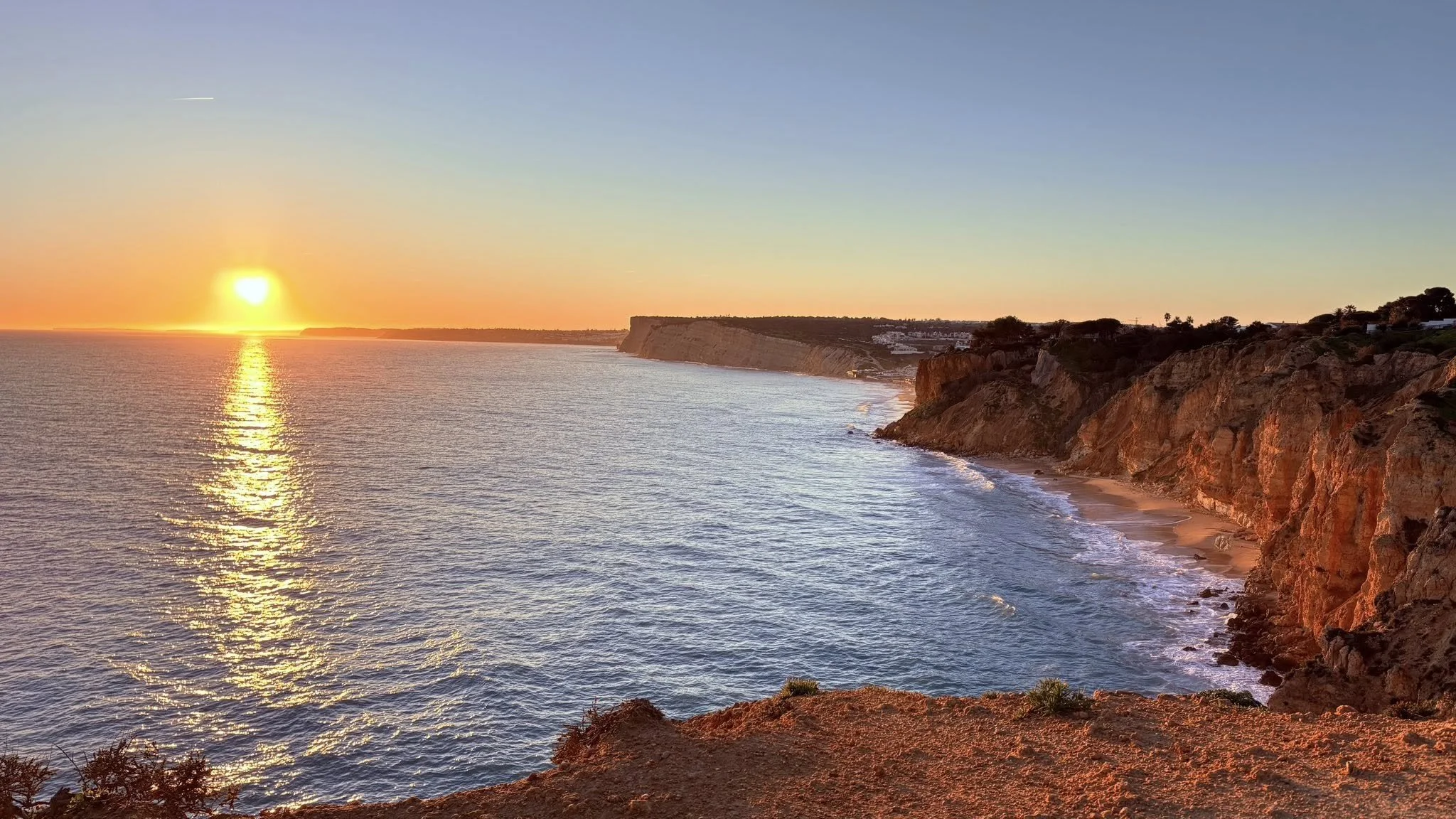
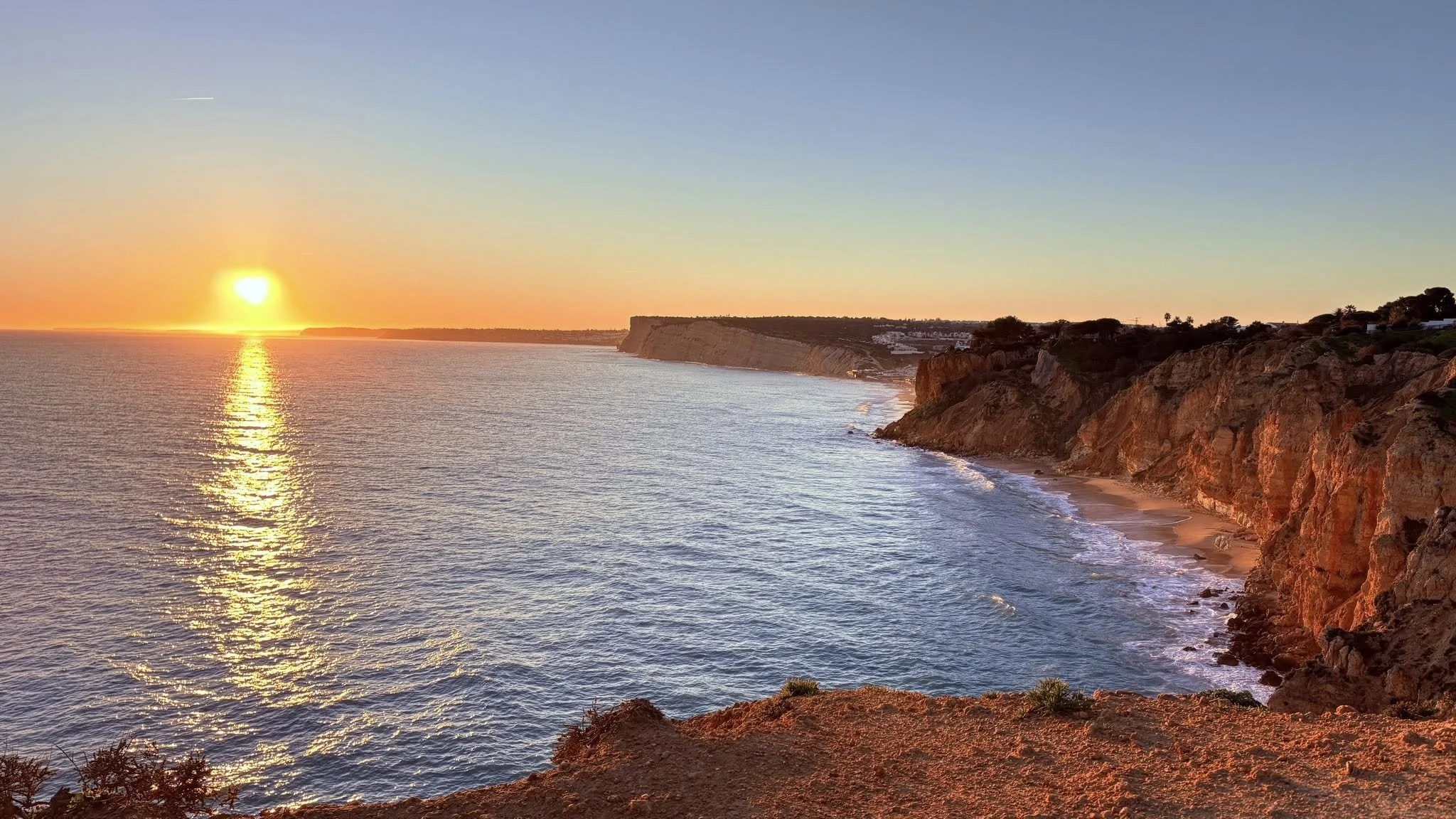
Sunset on the grottos of Lagos, Portugal
Traveling to many countries in Europe has taught me that every trip is a mix of discovery, delight, and a few lessons learned the hard way. I have been in awe of the beauty of historical squares, unique nature, mountains, valleys, grottos, and centuries of history. Experiencing it in person has a lifelong effect.
I now regret waiting until I was over 50 years old to travel to there. If you’re dreaming about going, my advice is simple - don’t wait. Europe rewards curiosity and strong legs. With its steep inclines, endless staircases, and limited elevators, the sooner you go, the better. Take any opportunity you or you children have (exchanges etc). It opens our minds and lets us see things from very different perspectives.
After several visits across different countries (We’ve been to Spain and Portugal four times now), I’ve picked up tips that make each journey smoother and more enjoyable – from choosing flexible accommodations and managing money with ease to understanding cultural rhythms like siestas and late‑night dinners. Whether you’re planning your first adventure or returning for another round of exploring, I hope these insights help you travel smarter, adapt faster, and savor every moment.
1. Planning & Preparation
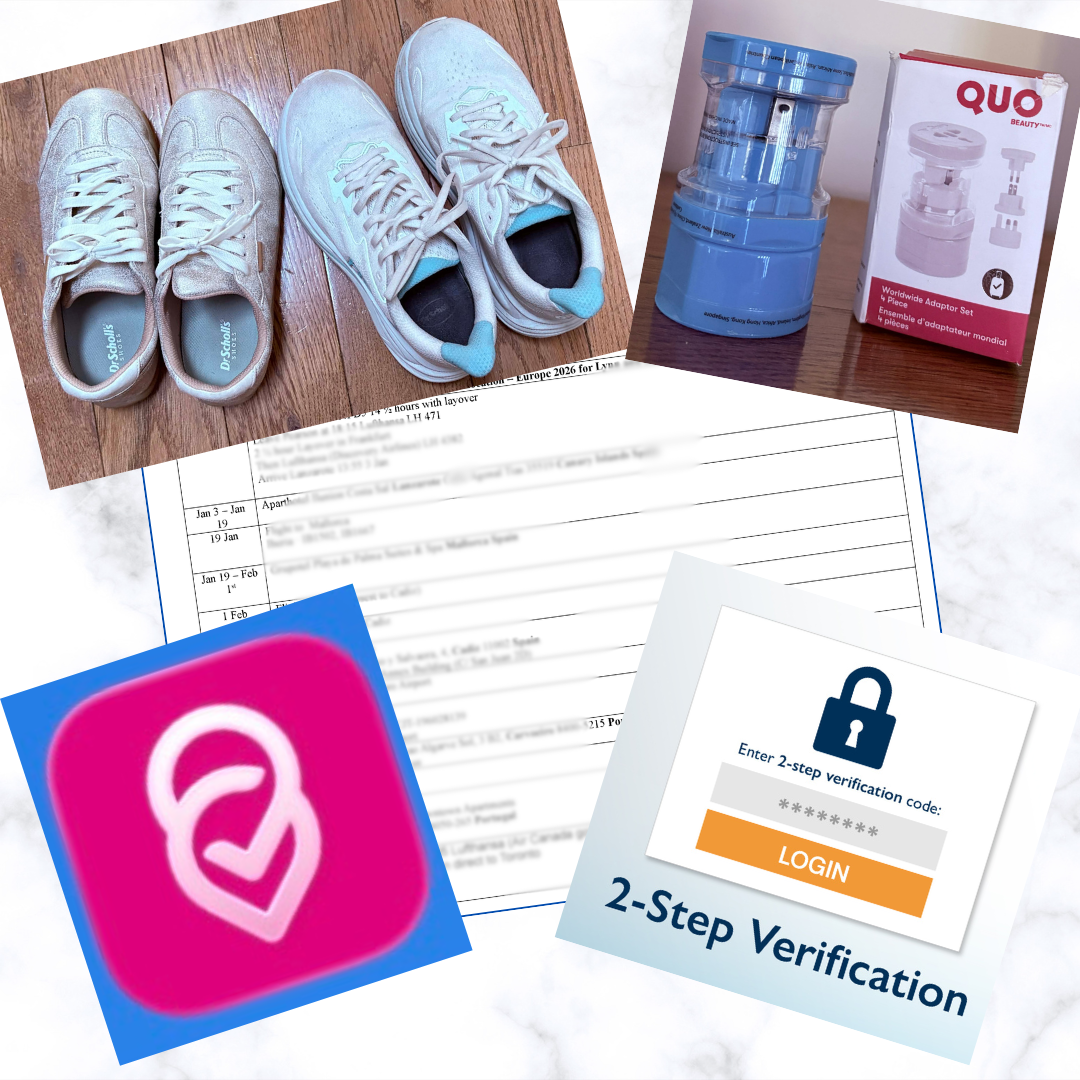
Save yourself money, stress and surprises.
A little planning upfront can save you money, stress, and surprises later on.
Use a VPN when you begin searching for flights and accommodations to avoid dynamic pricing. At minimum, open your browser “in cognito”.
Book accommodations with free cancellation whenever possible. Often you have up to about two weeks before arrival to cancel, which is invaluable when plans or world events change. Rmember that in Europe, the ground floor is “0”. If you book a room on the 2nd floor, you will have 3 flights of stairs (many have no elevator).
Check your credit cards to see what travel insurance you already have. If you don’t have out‑of‑country coverage, shop around and purchase a plan before you go. Without it, one slip or fall will cost you thousands of dollars. Don’t take the chance.
Make sure your passports are valid well beyond your return date. Some countries requre E Visas you will need to apply for. Expect to be fingerprinted digitally with your photo taken at customs on arrival.
I keep a spreadsheet with every booking number, address, and key details. I bring a printed copy, keep one on my laptop, and email it to myself so it’s always accessible. There are many different apps you can use.
You’ll need power adapters, comfortable shoes, and layers of clothing for varying weather conditions.
2-Step Verification can be a nightmare! You won’t get text messages with verification codes when you are on an Sim Card. Be sure to set it up before you leave allowing email verification as on option. Visit your bank if you are unsure.
If you’re moving around during your vacation, plan your trains, buses, and flights in advance. The app Rome2Rio is very helpful – it shows different ways to get from A to B across Europe, along with departure times and approximate costs. We once waited until the week before and found trains fully booked and were stuck with few options.
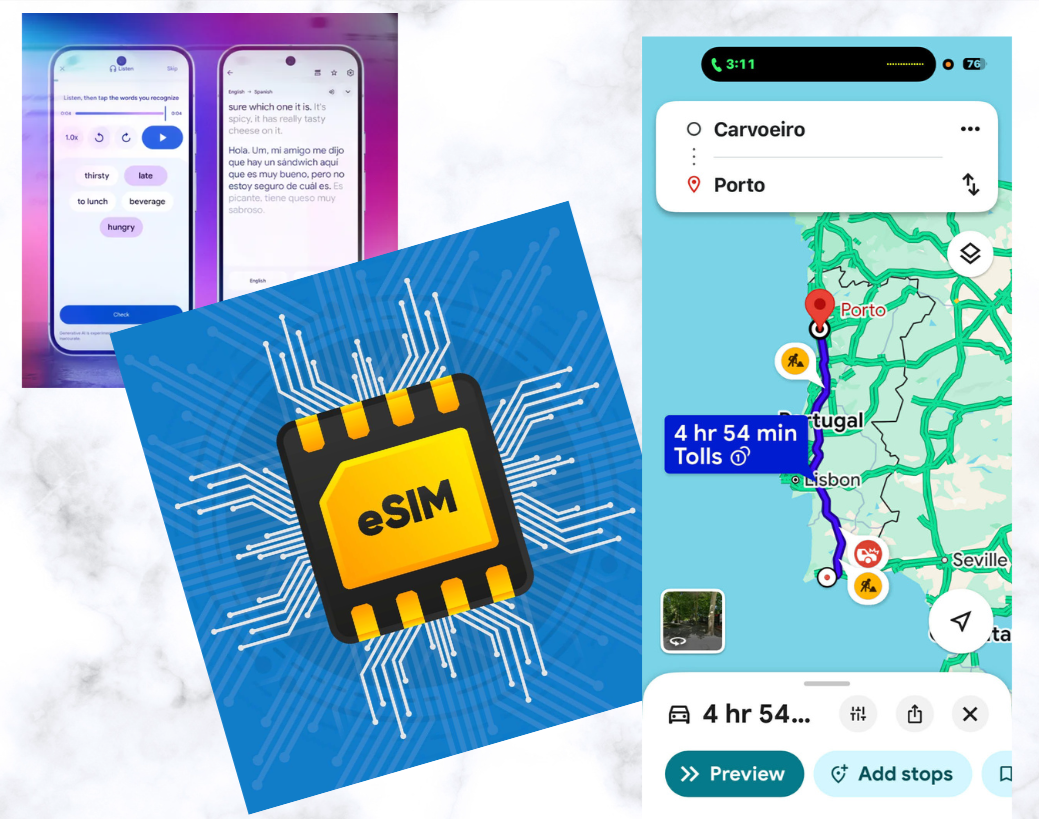
Crucial to your trip- data needed.
2. Staying Connected
Staying connected abroad doesn’t have to mean sky‑high phone bills.
Cell phone companies in Canada often charge a very high daily rate for data and calls. Consider eSIM apps that let you buy regional data plans, or a physical SIM if you prefer. My husband likes to buy a SIM card (before we leave) and install it as we land on arrival. He is assigned a local number and adds international calling as an option. You can also make an audio or video call anywhere for free now on WhatsApp or Messenger as examples.
Take advantage of language translation tools, but always make an effort to speak a few words in the local language. It’s respectful and genuinely appreciated.
Avoid using public Wi‑Fi for banking or booking excursions. Use your mobile data instead for anything sensitive.
Google Maps has been our go‑to for navigation. You can download offline maps and use it for walking, bus, and train routes.
3. Managing Money
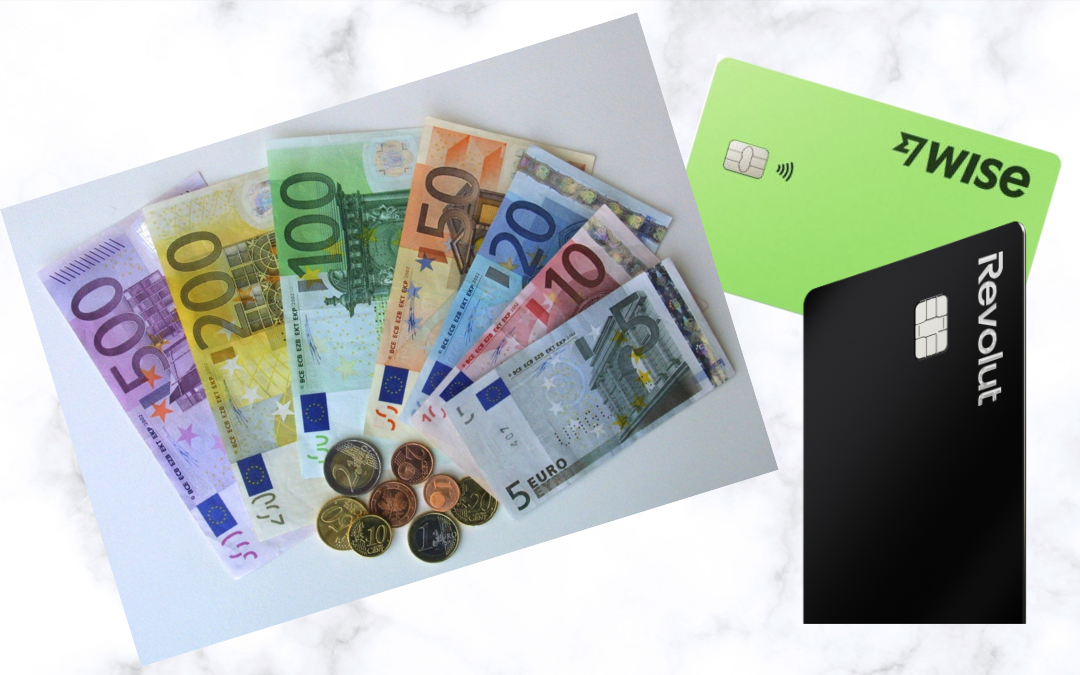
Have a balance of cash, cards in your Apple or Google Wallet.
Money management can make or break how relaxed you feel on your trip.
At ATMs, always choose to be charged in euros rather than converting to Canadian dollars on the screen. Dynamic currency conversion can be costly. As an example, I would have paid about 330 CAD to take out 200 EUR at the actual exchange rate, but the “convert to Canadian” option pushed it closer to 385 CAD.
Install an app like Wise or Revolut and load money onto it before you depart. I add funds via e‑transfer, and my Wise card sits in my Apple Wallet, making it easy to tap for purchases. It’s a great way to use a “cash‑like” option instead of your main credit card.
Many places still prefer cash for tips, and sometimes for small purchases. Ten percent is usually more than enough for tipping in many European countries.
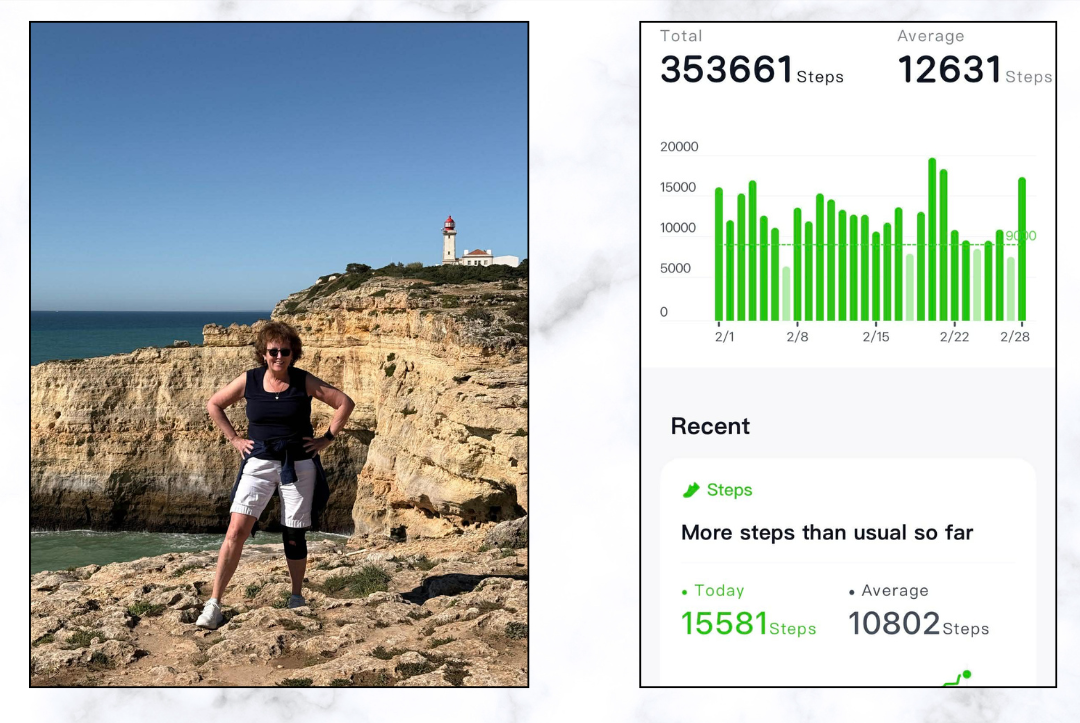
Hiking the grottos near Carvoeiro in the Algarve of Portugal.
What a great way to stay fit!
4. Getting Around
Getting from place to place is part of the adventure – and sometimes part of the learning curve.
Walking is often the very best way to explore. Some of our favorite discoveries have been purely by chance. Expect steep inclines, cobblestones, and lots of stairs.
In some regions, like the Algarve in Portugal, a rental car makes exploring much easier. You might also choose to rent a car for day trips anywhere in Europe. Book in advance and shop around. If you can avoid third‑party booking sites, do – they can muddy the waters. We once had a rental canceled without being informed, which is the last thing you want after a long day of travel.
If you decide to rent a car spontaneously, hotels/resorts often have an agreement with a local rental company. They’ll bring the car right to you to sign your agreement and get the keys.
Check whether you already have rental car insurance through your credit card so you don’t pay for duplicate coverage. Manual transmission is the norm; automatic cars are available but usually at a higher cost.
Some highways have toll booths or electronic toll systems. Car rental companies often offer a transponder rental that tracks your tolls so you can pay everything at once when you return the car.
If you plan to use local buses or transportation systems frequently, look into passes for the length of your stay. In many cases you can still pay cash when you board or tap a credit card.
For parking, apps like EasyPark (available in many European cities) can make paying for parking much easier. Install it before you travel so you’re ready when you arrive.
5. Daily Life & Local Rhythm
One of the joys of Europe is adjusting to a different rhythm of daily life.
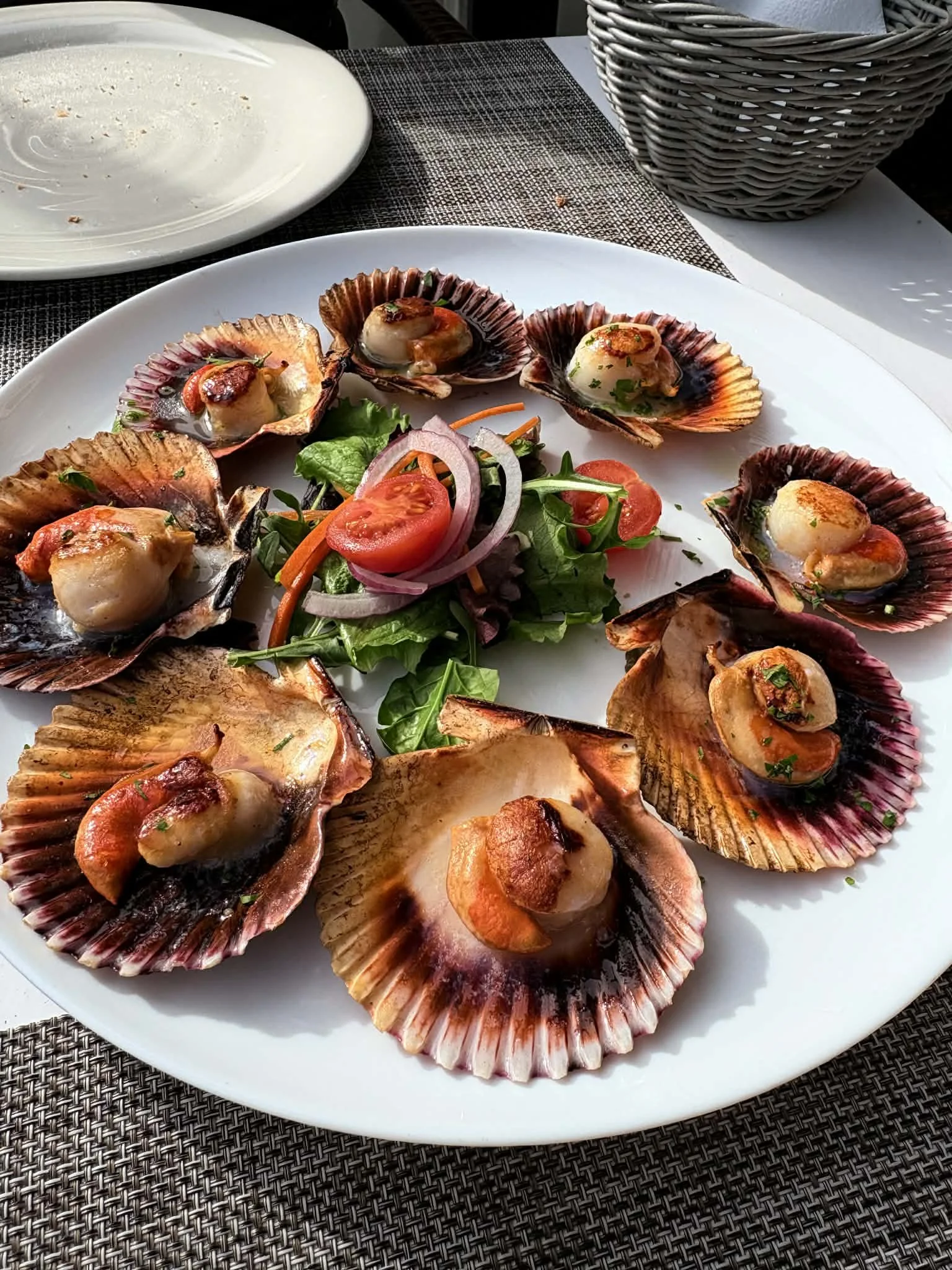
Presentation is everything!
Embrace siesta hours. In countries like Italy, Spain, and Portugal, many shops and businesses still close for a few hours in the afternoon, often starting around 2:00 or 3:00 p.m. It’s not always consistent, but it’s best to expect it.
Smoking is permitted on outdoor patios. If you are bothered by the smell of smoke like me, try to find a table up-wind. I’m told this may change in Spain soon.
Many restaurants close between roughly 4:00 p.m. and 7:00 or 8:00 p.m., especially in Spain. Check out the reviews so you are not disappointed.
In Spain, we’ve noticed that grocery stores and many businesses are closed on Sundays, so plan ahead for food and supplies.
In the off season, many businesses are closed, yet they do not update their hours on their websites. We arrived at many to find the lights off. Plan B in order!
Check official city or regional tourism websites for event calendars (festivals, markets, concerts, exhibitions).
If you are at a hotel or resort, as them what events are happening in the area. There may even be a concierge to speak with.
Join Facebook groups! They usually have advice on how to enjoy your stay. I joined one for Lanzarote and we found live entertainment schedules and advice on local busses through that site.
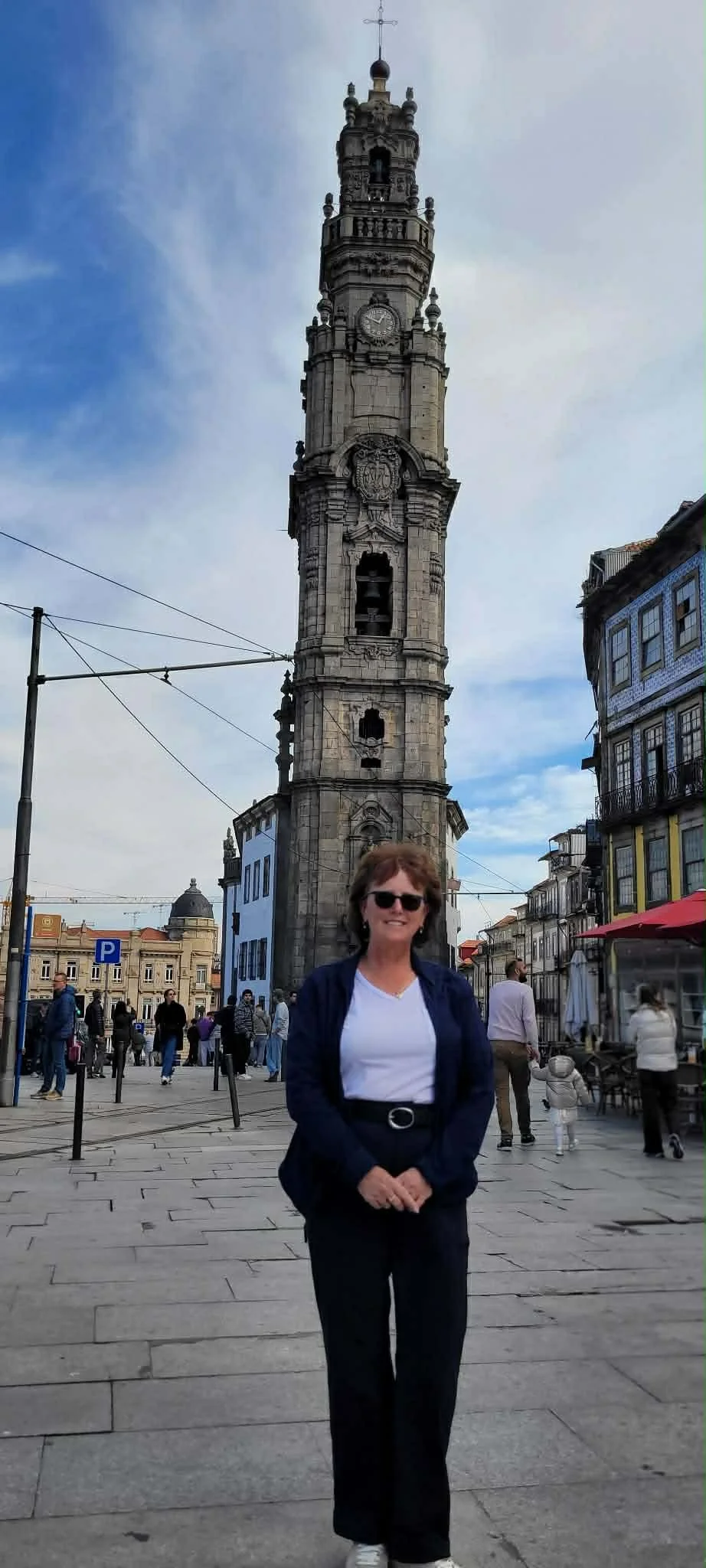
A historical walking tour brought us to the Clérigos Tower in Porto, Portugal.
6. Culture & History
Europe’s history is all around you – often literally beneath your feet.
We like to book an excursion right at the beginning of our trip. It helps you get your bearings and the tour guide almost always gives great advice on what else you should experience.
Appreciate Europe’s walkable history. Every city, and often every neighborhood, holds layers of stories if you take time to notice.
You’ll find famous tourist hotspots, but also smaller historical gems with fewer crowds that can be just as meaningful.
Respect local customs, especially in religious sites like churches, cathedrals, and mosques. Dress modestly when requested and follow posted guidelines.
Enjoy the regional cuisine and beverages! We sought out seafood restaurants wherever we were. You won’t find some of this at home!
7. Safety & Smart Travel
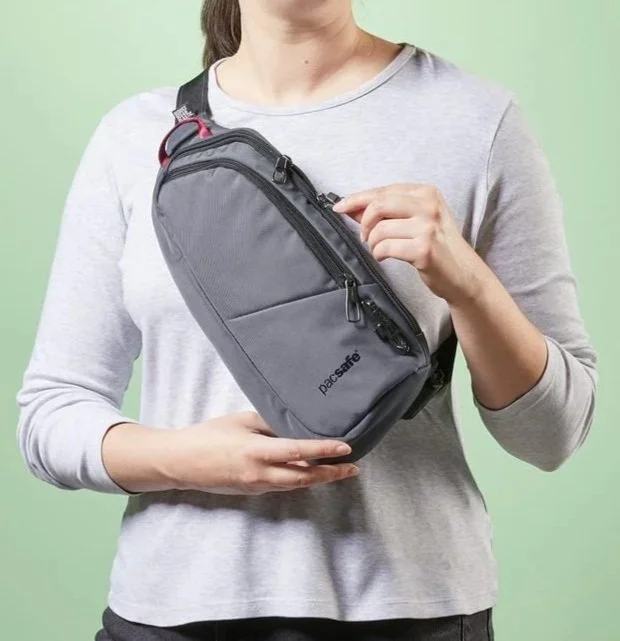
Anti-Theft Bags are a must!
Safety is about awareness, not anxiety.
Book tours and excursions through trusted providers. We often use platforms like Viator or GetYourGuide and always read the reviews carefully before committing.
Violent crime is generally low in many popular European destinations who have very strict gun laws, but pickpocketing can be common in busy tourist areas. My purse was stolen in Barcelona even though I knew better than to set it down beside me – a reminder that it only takes a second. It’s well worth the investment to purchase an anti-theft bag. I keep mine across my body with the bag in front of me - even when eating.
Keep digital copies of your passports, insurance details, and key documents stored securely (for example in your email or cloud storage), just in case you ever need them.
Closing Thoughts

Enjoying an ice coffee in Lagos, Portugal
Every trip through Europe teaches me something new, whether it’s a better way to plan, a hidden café or street music down a side street, or a reminder to simply slow down and enjoy where I am.
Since we check reviews before booking, it’s important to share our own experiences to help others. Since 2016, I’ve posted more than 140 reviews on TripAdvisor as LynnMcLau. If you are looking for an accommodation, restaurant or excursion - check it out.
Have you traveled through Europe recently? I’d love to hear your favourite lesson, surprise, or “travel mistake” that turned into a great story. Share it in the comments or send me a message.